How to Determine Ideal Temp for Cooking Pork Chops on a Pellet Grill
Many pork chop lovers know how tricky it can be to get that perfect juicy, tender cut every time. You’re not alone—struggling with overcooking or undercooking is a common frustration.
Luckily, mastering the ideal temp for cooking pork chops on a pellet grill can make all the difference.
To determine the ideal temp for cooking pork chops on a pellet grill, aim for an internal temperature of 145°F, then let the meat rest for 3 minutes. Use a meat thermometer inserted into the thickest part to check doneness accurately.
Keep the grill steady between 225°F and 275°F, adjusting for thickness and desired tenderness. If you want more tips to perfect your pork chops, there’s plenty more to investigate.
Key Takeaways
- Use a meat thermometer to check the internal temperature, aiming for 145°F to ensure your pork chops are safe and juicy.
- Keep your grill between 225°F and 275°F for even cooking and that great smoky flavor.
- Adjust the grill settings depending on the thickness of your chops so they don’t overcook or undercook.
- Use indirect heat for thicker chops and direct heat for thinner cuts to better control the cooking temperature.
- Let the pork chops rest for about 3 minutes after cooking so the juices can settle and you get the perfect doneness.
What Is the Ideal Internal Temperature for Juicy Pork Chops?
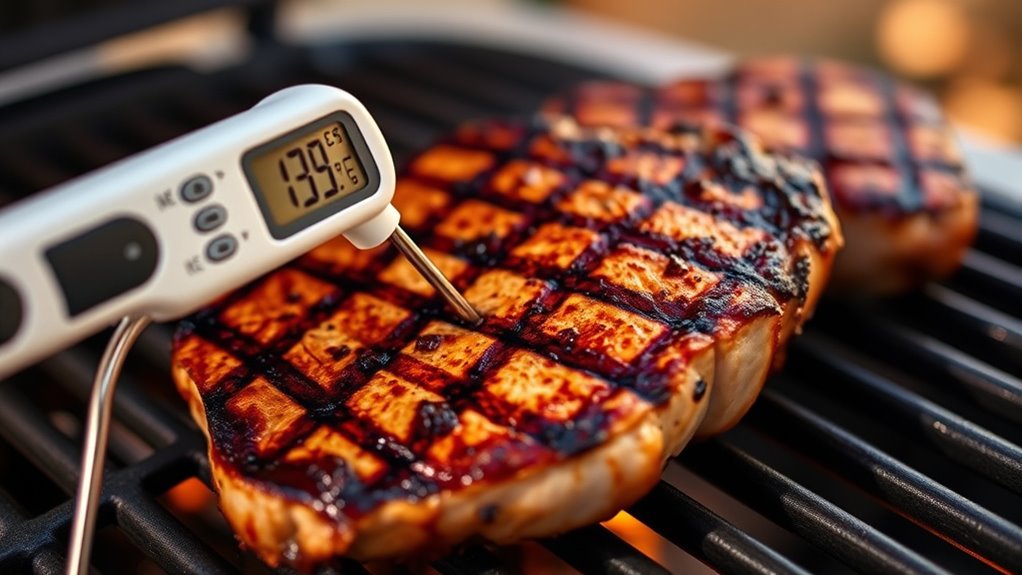
To guarantee your pork chops stay juicy and flavorful, it’s essential to cook them to the right internal temperature. The ideal temperature for juicy pork chops is 145°F (63°C), followed by a three-minute rest. This guarantees they’re cooked through but remain tender and moist.
Proper pork chop seasoning amplifies flavor but doesn’t replace precise cooking. When seasoning, keep it simple with salt, pepper, and herbs, which complement the meat without overpowering it. Good grill maintenance is vital to maintain consistent heat and prevent overcooking.
Keep your pellet grill clean and well-maintained to avoid flare-ups or uneven cooking temperatures. Using a reliable meat thermometer helps you monitor internal temperature accurately.
How Pellet Grill Temperature Controls Impact Pork Chop Cooking
Pellet grill temperature controls are key to perfectly cooked pork chops. Keeping a steady heat ensures even cooking and helps prevent drying out or undercooking.
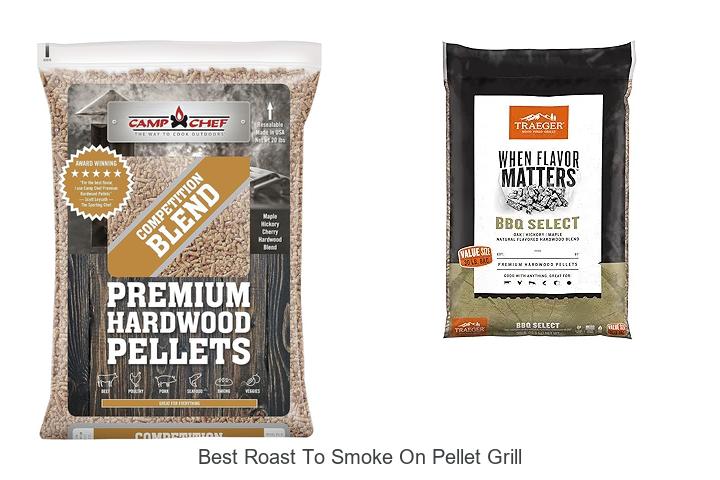
The type of wood pellet you choose also matters. Different woods like hickory or fruitwood burn at different rates and produce varying amounts of smoke, which impacts flavor and cooking performance.
Having precise temperature control means you can set and maintain the ideal heat. This helps your pork chops cook evenly without losing moisture.
When your grill stays at a consistent temperature, it produces better smoke. This adds flavor and keeps the meat moist and juicy.
Understanding how your pellet grill’s temperature controls work allows you to make the most of your cooking. The result is juicy, flavorful pork chops every time.
How Thickness Affects Pork Chop Temperature and Cooking Time
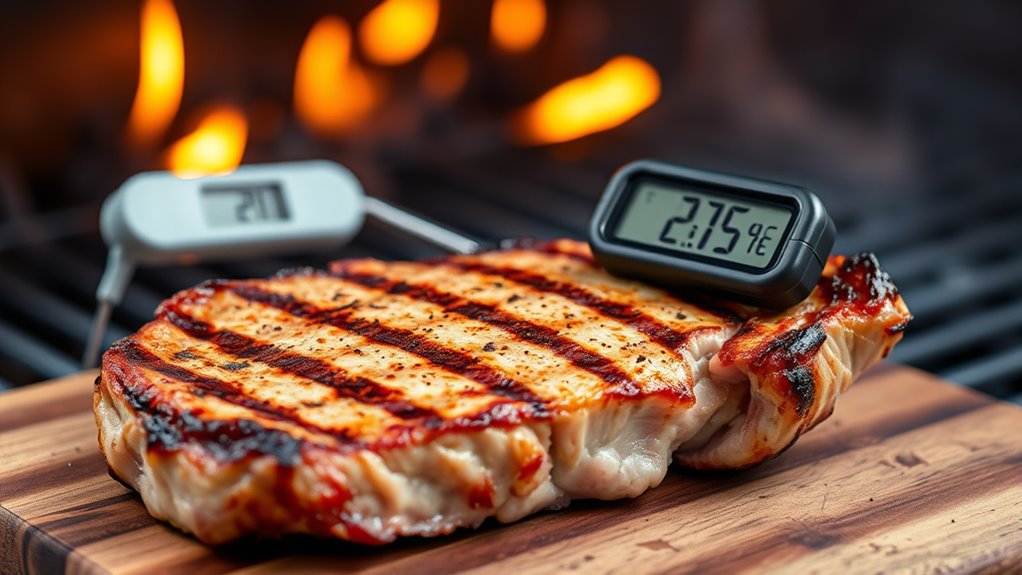
The thickness of your pork chop directly influences how long it takes to reach the target internal temperature. Thicker cuts take longer to cook through evenly, so they need more time on the grill.
Thicker pork chops need more grill time to cook evenly and reach the right internal temperature.
As a result, your cooking time increases with thickness. Thicker pork chops may require a longer grilling period to reach a safe internal temperature. Thin chops heat quickly and can overcook easily if you’re not careful.
To keep your pork juicy and safe to eat, monitor the internal temperature closely, especially with thicker cuts. Remember, cooking times vary based on thickness.
Adjust your grill’s temperature or use indirect heat for thicker cuts. This helps promote even cooking and prevents the outside from burning before the inside is done.
Knowing how thickness impacts cooking time helps you avoid undercooking or overcooking. This way, you end up with perfectly cooked, tender pork chops every time.
Using a Meat Thermometer to Check Pork Chop Doneness
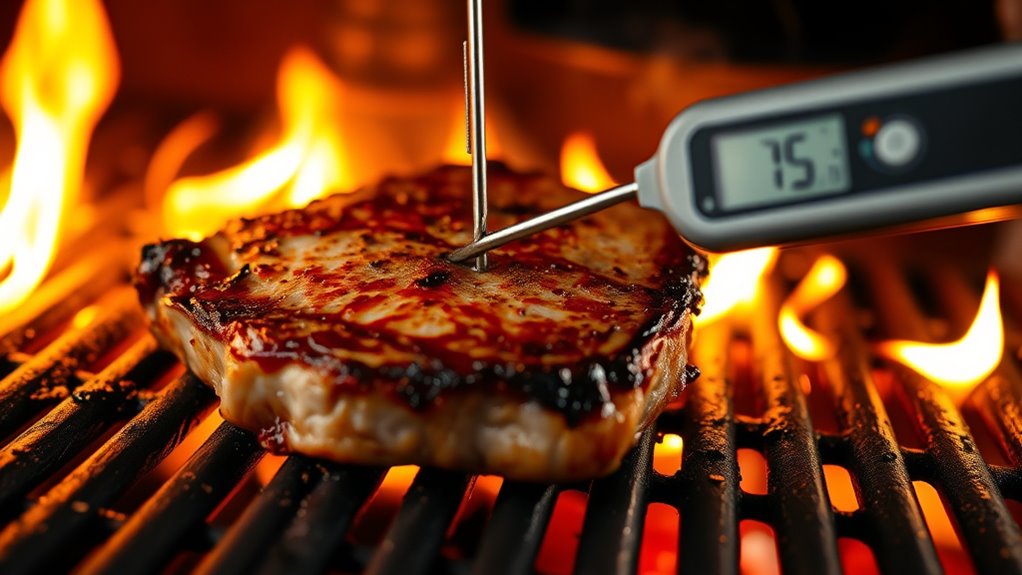
Using a meat thermometer is the most reliable way to guarantee your pork chops are cooked perfectly every time. When checking doneness, insert the thermometer into the thickest part of the chop, avoiding bone or marinade-covered areas.
Proper marinade selection can influence how quickly the meat heats through, so be mindful of how different varieties impact cooking time. For instance, bone-in or thick-cut pork chops may need a slightly longer cooking period, making thermometer use essential.
As the internal temperature approaches your target, monitor closely to prevent overcooking. A digital instant-read thermometer provides accurate, quick readings, helping you achieve the ideal doneness without guesswork.
Recommended Temperature Ranges for Perfect Pork Chops
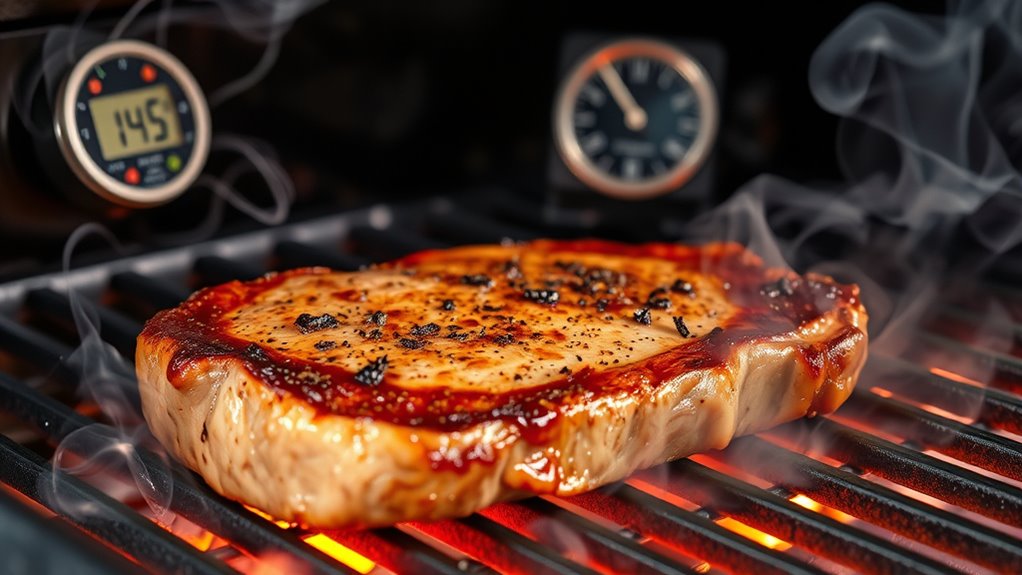
To cook pork chops just right, you want to pay attention to the internal temperature. The goal is to reach about 145°F—this way, they stay juicy and tender without drying out. It’s all about finding that perfect balance!
And of course, following safe cooking guidelines is super important. Knowing the right temperature ensures your pork chops are not only delicious but also safe to enjoy. So, keep an eye on that thermometer, and you’ll be good to go!
Ideal Internal Temperature
Achieving perfectly cooked pork chops depends on reaching the right internal temperature, which makes sure they’re both safe to eat and tender. For the best results, aim for an internal temperature of 145°F (63°C), then let it rest for 3 minutes to lock in the juices and flavor.
This temperature follows USDA guidelines and gives you a tender, juicy bite. When choosing seasonings, think about flavors like herbs, garlic, or citrus to enhance the natural pork flavor.
For presentation, slice the chop against the grain for a clean look and to show off its juicy interior. Using a reliable meat thermometer helps you monitor the temperature precisely.
Temperature for Juiciness
For juicy, flavorful pork chops, maintaining the right temperature during cooking is key. Aim for a range between 135°F and 145°F to keep them moist and tender.
This temperature range also helps you get that delicious smoky flavor from the grill. Keep the grill smoke steady to enhance the taste.
Use a thermometer to check the internal temperature precisely. It’s best to remove the chops just before they hit your target to allow for carryover cooking.
Let the meat rest for 3-5 minutes so the juices can settle. Staying within this temperature window gives you perfectly juicy, smoky pork chops every time.
Safe Cooking Guidelines
Ensuring your pork chops are cooked to a safe temperature is essential for both health and taste. The USDA recommends reaching an internal temperature of 145°F (63°C) followed by a three-minute rest. This helps eliminate harmful bacteria while keeping the meat juicy.
When using marinades, avoid overly sugary or acidic ones that can mask doneness. Use a reliable meat thermometer for accurate results. Cooking accessories like grill mats or probes help maintain consistent temperatures and prevent overcooking.
Should You Use Direct or Indirect Heat for Pork Chops?
When you’re deciding how to cook your pork chops, thinking about direct versus indirect heat can really make a difference. If you go with direct heat, you’ll get that quick sear and can easily control how brown and crispy the outside gets. It’s perfect if you want those nice grill marks and a flavorful crust.
On the other hand, indirect heat is great for cooking the chops more evenly and keeping them juicy. It’s like giving your pork chops a gentle, even heat that helps them cook through without drying out. Knowing when and how to use each method can help you turn out tender, flavorful pork chops every time!
Heat Penetration and Control
When cooking pork chops on a pellet grill, choosing between direct and indirect heat can really change the final outcome. Proper heat penetration and control are key for juicy, evenly cooked chops.
Use indirect heat for gentle cooking to keep the meat tender and prevent overcooking. If you’re after a quick sear, switch to direct heat to develop a flavorful crust.
To enhance flavor, consider these tips: apply marinades beforehand to boost taste without overpowering the meat. Use direct heat for a fast sear to lock in juices, then switch to indirect heat for slow, even cooking until the internal temperature is just right.
Adjust the heat carefully to avoid overcooking, giving you better control over the process. This way, your pork chops will be flavorful, tender, and perfectly cooked.
Flavor Development and Juiciness
Using the right heat method can really make a difference in the flavor and juiciness of your pork chops. For richer flavor development and moist meat, indirect heat is best because it cooks gently and helps retain juices.
Direct heat is great for creating a flavorful sear and a nice crust, but be careful not to overdo it or the meat can dry out quickly. To boost flavor even more, try using marinades that penetrate the meat, and seasonings that enhance taste without overpowering.
How to Adjust Your Pellet Grill Settings for Best Results
To get the best results when cooking pork chops on a pellet grill, you’ll want to fine-tune your grill settings based on what you’re aiming for. Proper calibration of your pellet grill ensures consistent heat, which is key for even cooking.
Calibrate your pellet grill for consistent heat and perfect pork chop results every time.
Adjust your temperature controls to match the ideal range for pork chops, usually around 145°F to 160°F. To boost the smoke flavor and overall taste, follow these steps:
- Regularly calibrate your pellet grill for accurate temperature control.
- Set the grill to a low or medium heat, around 225°F to 275°F, to get a richer smoke flavor.
- Use the smoke setting early in your cooking to impart that smoky richness.
- Tweak airflow and vent settings to balance smoke production and maintain steady heat.
These adjustments help you control both the grill’s temperature and the smoke flavor, making sure your pork chops turn out juicy and flavorful every time.
Common Temperature Mistakes to Avoid When Grilling Pork Chops
Be careful not to overcook your pork chops, or they might turn dry and tough. Nobody wants a chewy bite! On the flip side, undercooking them isn’t just disappointing—it can also be unsafe. You want to find that sweet spot where the meat is juicy and cooked just right. Getting the temperature right is really the key to enjoying perfectly cooked, safe, and delicious pork chops.
Overcooking Leading to Dryness
Overcooking pork chops is a common mistake that leads to dry, tough meat. To avoid this, keep a close eye on your cooking time and temperature.
Overcooking can be prevented by considering these key points: Use marinade options that help retain moisture, reducing the risk of dryness. Monitor cooking time carefully, as pork chops can dry out quickly past their ideal internal temperature.
Aim for an internal temp of 145°F and remove from the grill promptly. Rest the meat for a few minutes before serving to allow juices to redistribute, keeping the pork moist.
Undercooking Risks and Safety
Are you aware of the dangers of undercooking pork chops? Eating undercooked pork can expose you to bacteria like Trichinella spiralis, risking illness. To avoid this, always cook pork chops to at least 145°F, then let them rest.
Using proper pork chop seasoning improves flavor but shouldn’t mask signs of undercooking. Rely on a reliable meat thermometer for accuracy instead of guessing.
Poor pellet grill maintenance can cause uneven heat, increasing the risk of undercooked spots. Always check your grill’s temperature before cooking and keep it calibrated.
Rest and Serve Pork Chops to Keep Them Juicy
Once your pork chops reach the ideal internal temperature, it’s important to let them rest for a few minutes before serving. Resting helps the juices redistribute, so each bite stays moist and flavorful. While they rest, think about how marinating can boost their flavor profile.
To serve your chops with style and juiciness:
- Cover them loosely with foil to keep them warm while allowing some moisture to escape.
- Use a sharp knife to carve against the grain for a tender bite.
- Arrange the chops thoughtfully on your plate, focusing on attractive presentation.
- Add sides that complement the pork’s flavor without overpowering it.
Following these steps ensures your pork chops stay juicy and appealing. Resting and good presentation turn a simple meal into something special. These small touches make a big difference in creating a memorable dining experience.
How to Tell When Your Pork Chops Are Fully Cooked
Knowing how to tell when your pork chops are fully cooked is key to getting that perfect mix of safety and juiciness. The best way is to use a meat thermometer; aim for an internal temperature of 145°F.
You can also check the juices—clear juices mean the pork is done. Pay attention to the texture; pork should feel firm but not tough.
If you’ve used seasoning or marinade, keep in mind they can affect cooking time, so watch carefully. For marinated chops, make sure the marinade has penetrated evenly and check the temperature early.
| Indicator | Description | Tip |
|---|---|---|
| Internal Temperature | 145°F is safe and juicy | Use a meat thermometer |
| Juices | Clear juices show doneness | Check when poking with a fork |
| Texture | Firm but not tough | Press lightly to test |
| Visual Cues | Slightly pink center, no raw spots | Slice to verify if unsure |
Frequently Asked Questions
Can I Cook Pork Chops at a Higher Temperature for Faster Results?
Yes, you can cook pork chops at a higher temperature for faster results, but be careful. Raising the heat speeds things up, so you need to watch the internal temperature closely to avoid overcooking.
Adjust the temperature gradually and use a meat thermometer to ensure the pork reaches the safe internal temperature. This way, you’ll get juicy, well-cooked pork without losing quality.
How Does Ambient Weather Affect Pellet Grill Temperature Control?
Weather influence can throw a wrench in your cooking plans, affecting pellet grill temperature stability. Wind, rain, or cold outdoors can cause fluctuations, so you need to keep a close eye on your grill’s thermometer.
To maintain consistent heat, consider shielding your grill or adjusting your settings accordingly. Remember, staying adaptable helps you stay on track, ensuring your pork chops turn out perfectly, no matter the weather.
What Type of Wood Pellets Influence Pork Chop Flavor and Cooking?
You’ll want to choose wood pellets that complement pork chops, like apple, cherry, or hickory, for a rich, smoky flavor. The type of wood influences the taste, so picking the right one helps boost flavor and aroma.
Apple and cherry give a sweeter, fruitier profile, while hickory offers a stronger, hearty smoke. Trying out different wood flavors is a great way to customize your pork chop experience on the pellet grill.
Is It Better to Marinate or Season Before Grilling Pork Chops?
Think of your pork chops as a blank canvas. Marinating adds a splash of flavor and tenderizes with a flavorful bath, while seasoning acts like a painter’s brush, enhancing every bite.
Marinate benefits include juiciness and depth, but seasoning techniques give your pork chops a bold crust.
For the best results, marinate first for tenderness. Then, season generously before grilling to create a symphony of flavors that dance with each bite.
How Long Can Pork Chops Be Stored Before Grilling for Best Quality?
You should store pork chops in the fridge and consume them within 3 to 5 days for maximum freshness. Keep them in their original packaging or in an airtight container to prevent contamination and moisture loss.
If you’re not planning to grill them that soon, freeze the chops. Freezing can extend their shelf life up to 6 months. Proper storage helps ensure you enjoy the best flavor and quality when you cook.
Conclusion
Think of your pork chops as a delicate symphony, where the perfect temperature acts as the conductor guiding each note to harmony.
Getting this just right is key to juicy, flavorful pork.
By mastering your grill’s settings, using a reliable thermometer, and knowing when to rest, you’ll create a tender masterpiece every time.
These steps help ensure your pork chops are cooked to perfection.
With patience and attention, you’ll turn simple pork chops into a memorable culinary performance, leaving everyone craving an encore.
Remember, the ideal temp for cooking pork chops on a pellet grill is around 145°F to 150°F for juicy, safe results.
Trust your instincts, and enjoy the delicious melody of perfectly cooked pork.