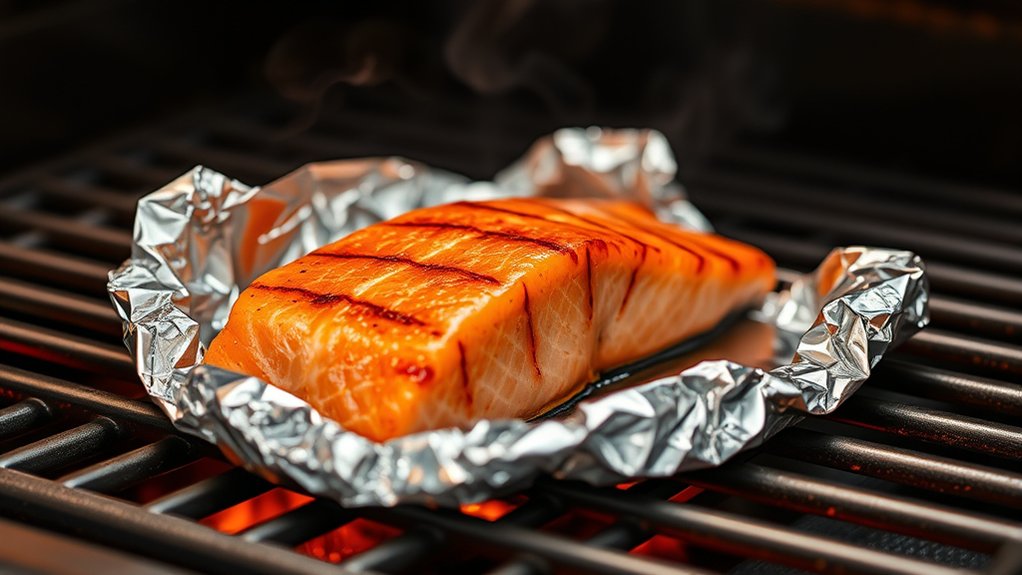
How Long to Grill Salmon in Foil on a Gas Grill
Cooking perfect salmon on a gas grill can feel tricky, especially when you’re aiming for that tender, flaky texture. Many people struggle with overcooking or undercooking their fish, and it’s totally normal to feel unsure about timing. Don’t worry—you’re not alone in this!
You should grill salmon in foil on a gas grill for about 10 to 15 minutes, depending on the fillet’s thickness and grill temperature. For a ½-inch fillet, aim for 6-8 minutes, while thicker cuts around 1 inch may take closer to 12-15 minutes.
Keep the grill steady at 375-400°F, and check that the fish turns opaque and flakes easily. Want to make sure it’s perfect? Keep going to learn all the tips!
Key Takeaways
- Grill salmon in foil for 10-15 minutes total, adjusting based on fillet thickness (6-8 minutes for thinner, 12-15 for thicker).
- Preheat your gas grill to 375-400°F and keep the heat steady during cooking.
- Use a meat thermometer, aiming for an internal temperature of 125°F for perfect doneness.
- Keep the foil loose to prevent steaming, and open or remove it in the last few minutes for crispy skin.
- Check if the salmon is done when the flesh turns opaque and flakes easily, or press gently to see if it springs back.
How Long Should You Grill Salmon in Foil on a Gas Grill?
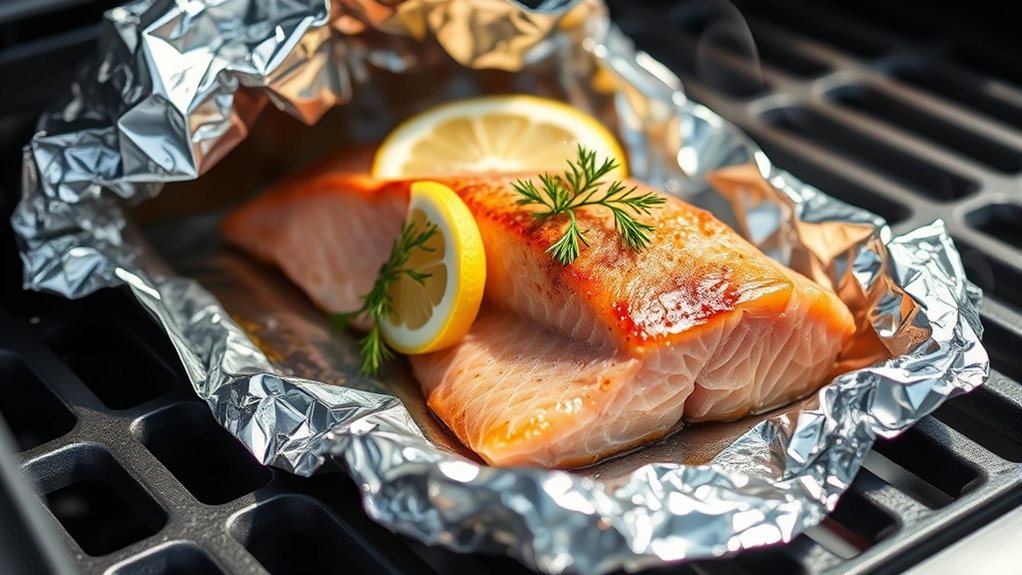
When grilling salmon in foil on a gas grill, the typical cooking time is about 10 to 15 minutes. You’ll want to check for doneness by watching for the salmon to turn opaque and flake easily with a fork.
Salmon nutrition makes it a healthy choice, packed with omega-3 fatty acids, protein, and essential vitamins. To get the most health benefits, make sure it’s cooked properly without overdoing it.
Salmon sustainability is also important—choosing responsibly sourced or wild-caught salmon helps protect fish populations and the environment. When grilling, keep the foil sealed tightly to retain moisture and nutrients.
What Factors Affect Grilling Time for Foil-Wrapped Salmon?
Several key factors influence how long foil-wrapped salmon needs to cook on a gas grill, so paying attention to these can help you achieve perfect results. The thickness of your fish, for example, directly impacts cooking time—thicker fillets take longer.
Grill temperature also plays a role. Higher heat speeds up cooking but risks overcooking or drying out the salmon if you’re not careful. The freshness and size of your salmon affect how quickly it reaches the right doneness.
Here’s a quick overview:
| Factor | Effect on Cooking Time | Tips for Best Results |
|---|---|---|
| Thickness | Longer cooking for thicker cuts | Use a meat thermometer for accuracy |
| Grill Temperature | Higher temps mean faster cooking | Keep grill at safe temperatures |
| Salmon Nutrition | Nutritional content varies | Fresh, high-quality salmon cooks more evenly |
| Size | Larger fillets need more time | Adjust cooking time accordingly |
| Freshness | Fresher fish cooks faster | Check for doneness to avoid overcooking |
Keep these in mind to balance grilling safety with great flavor and nutrition.
How Do You Prepare and Season Salmon for Grilling?
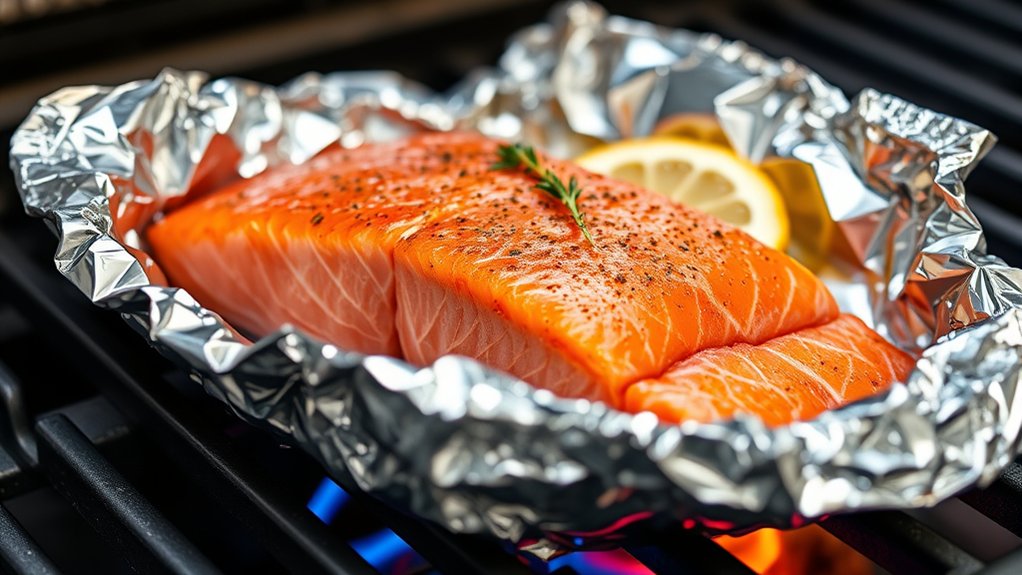
First off, pick out some fresh, high-quality salmon. It makes such a difference in the flavor, so take your time choosing the best piece you can find.
Once you’ve got your salmon, you can keep it simple with just a sprinkle of salt and pepper, or add your favorite herbs to give it some extra flavor. A splash of lemon juice or a little bit of oil can also help keep the fish moist and add a nice touch of tang or richness.
Choosing the Right Salmon
Choosing the right salmon is key to a flavorful grilling experience. When picking your salmon, think about where it comes from—wild-caught options usually taste better and have more omega-3s, making them healthier.
Look for bright, firm fillets with a vibrant color and a clean smell. These signs mean the salmon is fresh and will taste better on the grill. Freshness really makes a difference in both flavor and texture.
Choose salmon that’s sustainably sourced to support the environment and ensure good quality. Wild salmon generally has a richer flavor compared to farmed types, which can be fattier and milder.
Whether you go for sockeye, king, or Atlantic salmon, selecting good quality and knowing where it comes from will make your grilled salmon not just tasty but also nutritious.
Enhancing Flavor With Seasoning
To bring out the best flavors in your salmon, proper preparation and seasoning are key. Start by choosing a marinade or seasoning blend that complements the fish.
A simple marinade of olive oil, lemon juice, garlic, and herbs adds moisture and flavor. Dry seasoning blends with paprika, cumin, or dill can give a smoky taste.
Let the salmon marinate for at least 15-30 minutes to allow the flavors to penetrate the flesh. If you prefer dry seasoning, brush the fish with oil and sprinkle your chosen spices evenly on all sides.
Be careful not to over-season, as it can overpower the delicate flavor. Proper seasoning amplifies the natural taste of the salmon and creates a tasty crust when grilled in foil.
What Temperature Should Your Gas Grill Be for Perfect Salmon?
To get perfect salmon on the grill, you’ll want to keep your gas grill at a steady temperature of around 375-400°F. It’s best to use your grill’s temperature controls to maintain that consistent heat — you don’t want it too hot or too cool. Keep an eye on things like a steady flame and that nice sizzle when you place the salmon on the grill. When everything’s just right, your salmon will cook evenly and stay nice and moist.
Ideal Grilling Temperature
Achieving perfect grilled salmon on a gas grill depends on keeping the right temperature. For great results, aim for around 375°F to 400°F. This moderate heat helps the salmon cook evenly without drying out, giving you a tender, flaky texture.
When grilling salmon, think about pairing it with wine like a crisp Sauvignon Blanc or a light Chardonnay. These wines complement the fish’s natural richness nicely.
You can also consider seafood side dishes, such as grilled vegetables or lemon herb rice, which go well at this temperature range. Avoid high heat, as it can cause the salmon to burn outside while staying undercooked inside.
Temperature Control Tips
Controlling the temperature of your gas grill is key to perfectly cooked salmon. Aim for a medium heat, around 375°F to 400°F, to ensure even cooking without drying out the fish.
Keep the lid closed while grilling to maintain consistent heat and prevent flare-ups. This steady temperature helps your salmon develop a tender, flaky texture while letting flavors like herbs or citrus meld beautifully.
If you’re adding marinade or seasoning, lower the heat slightly to avoid burning. Regularly check the grill’s temperature with a reliable thermometer to stay within the ideal range.
Consistent heat not only guarantees perfect doneness but also boosts the overall flavor, giving you succulent salmon every time you grill in foil.
Signs of Proper Heat
Wondering if your grill is at the right temperature? Proper heat is key for effective cooking and getting that perfect salmon.
When your gas grill hits around 375-400°F, it’s hot enough to sear and cook the fish evenly without drying it out. You’ll see the surface shimmer and feel consistent heat across the grates.
A good sign is slight smoke and the lid maintaining temperature easily. This ideal heat level helps develop the salmon’s natural oils and seasonings, enhancing flavor.
If your grill gets too hot or stays too cool, the salmon won’t cook evenly or keep its moisture. Use a grill thermometer to keep an eye on the temperature for tender, flavorful results.
How Can You Tell When Your Grilled Salmon Is Done?
To tell when your grilled salmon is done, look for visual and tactile signs that show it’s cooked through. The flesh should turn opaque and easily flake with a fork, which is a key indicator in cooking techniques.
Gently press the top of the fillet. If it feels firm and springs back, it’s likely ready. Using a food thermometer is the most precise method—aim for an internal temperature of 125°F (52°C) for moist, safe seafood.
Proper cooking techniques guarantee you don’t undercook or overcook the fish, which affects flavor and texture. Seafood safety is super important, so always double-check the internal temperature and appearance before removing it from the grill.
How to Get Crispy Skin When Grilling Salmon in Foil
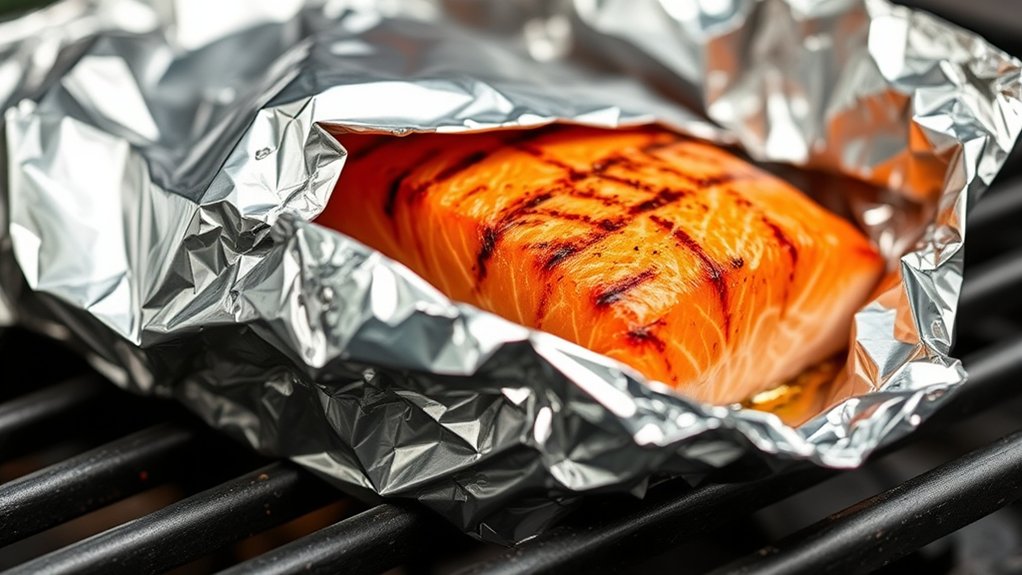
Getting crispy skin on grilled salmon in foil can be tricky because the foil traps moisture, which tends to steam the fish rather than crisp it up. To get a better skin texture, start with the right seasoning—use salt, pepper, and a little oil to help dry out the skin.
When wrapping the salmon in foil, leave it a bit loose so some steam can escape. This prevents excess moisture from building up and keeps the fish from steaming too much.
For crispy skin, try uncovering the salmon for the last few minutes of grilling or removing the foil entirely during the final heat stage. This exposes the skin directly to the grill’s heat, helping it crisp up nicely.
Common Mistakes to Avoid When Grilling Salmon in Foil
One common mistake is overcooking the salmon, which can make it dry and tough. To prevent this, keep an eye on the cooking time and techniques. Remember, salmon is done when it’s just opaque and flakes easily with a fork.
Using too much foil or sealing it tightly can trap too much moisture and turn the fish into steam. Make sure to use enough foil but avoid sealing it so tightly that the fish can’t breathe.
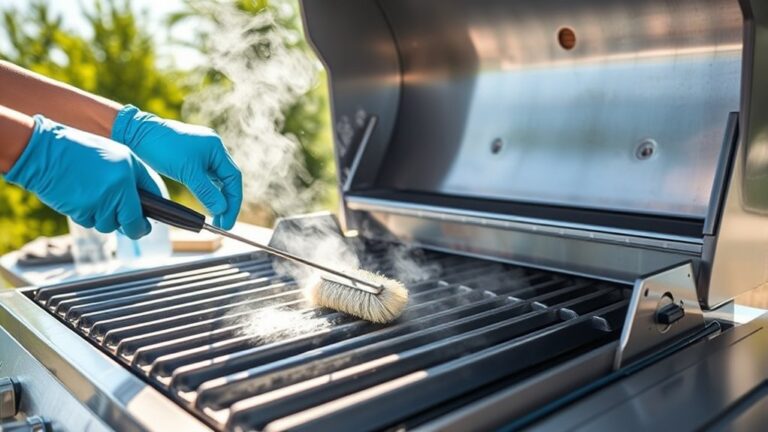
Another mistake is neglecting to preheat the grill. A hot grill helps cook the salmon evenly and prevents it from sticking. It’s a simple step that makes a big difference.
Finally, don’t skip flavor enhancements. Adding herbs, citrus, or spices can really boost the flavor and make your grilled salmon stand out.
Avoid these common pitfalls to keep your salmon moist, flavorful, and perfectly cooked every time.
How to Adjust Cooking Time for Thicker or Thinner Salmon Fillets
When you’re grilling salmon, the thickness of your fillet really makes a difference. Thicker pieces need a bit more time on the grill, while thinner fillets cook up pretty quickly. So, just keep that in mind and tweak your grilling time based on how thick or thin your salmon is. This way, you’ll always end up with perfectly cooked, delicious salmon every time you fire up the grill.
Thickness Determines Cooking Duration
The thickness of your salmon fillets directly influences how long they need to cook on the grill. Thicker fillets take longer, while thinner ones cook faster.
For 1-inch thick fillets, aim for about 12-15 minutes, turning once. If your fillets are only ½ inch thick, cook them for 6-8 minutes total.
Adjust your cooking techniques based on thickness. Thick fillets might need indirect heat, while thinner ones do well with direct heat.
Think about flavor pairing too. Thicker cuts hold marinade and seasoning better, which enhances the taste.
Adjust Time Accordingly
When adjusting cooking times for salmon fillets of different thicknesses, it’s important to modify the grilling duration accordingly. Thicker fillets may need an extra 3-5 minutes, while thinner cuts might require less time.
Keep in mind that proper grilling helps preserve the nutrition of salmon, including omega-3 fatty acids. If your salmon comes from sustainable fish farming practices, you can be confident it’s fresh and healthy, which can slightly affect cooking time.
To ensure even doneness, use a food thermometer to check that the internal temperature reaches 125°F. Adjustments are necessary because overcooking can reduce the health benefits, while undercooking might compromise safety.
Always watch the fillet’s appearance and texture to get perfect results.
How to Use a Meat Thermometer to Check Salmon Doneness
Using a meat thermometer is the most reliable way to guarantee your salmon is perfectly cooked. For safety and flavor, aim for an internal temperature of 125°F to 130°F, depending on your preference.
When checking doneness, keep these points in mind. Insert the thermometer into the thickest part of the fillet, avoiding bones. Look for a color change—salmon should turn from translucent to opaque.
Remember that salmon from different regions may cook slightly faster or slower. Also, overcooking can diminish omega-3 fatty acids, so precise temperature control helps retain those health benefits.
Resting and Serving Tips for Perfectly Grilled Salmon
Once you’ve removed the salmon from the grill and confirmed it has reached the right temperature, letting it rest for a few minutes allows the juices to redistribute evenly. This step guarantees your salmon stays moist and flavorful. During resting, consider preparing a marinade recipe to serve alongside, enhancing the dish’s flavor.
Resting also helps preserve the salmon’s delicate texture, making each bite more enjoyable. When serving, focus on presentation—plate your salmon with fresh herbs or lemon slices for visual appeal. Keep in mind salmon nutrition; it’s rich in omega-3 fatty acids, so serving it with healthy sides complements its benefits.
If you’ve marinated it beforehand, avoid over-seasoning during plating to let the natural flavors shine. Resting time is short but essential, so don’t skip it. Properly rested salmon offers a perfect balance of tenderness and moisture, making your grilled salmon a standout dish.
Frequently Asked Questions
Can I Grill Frozen Salmon in Foil on a Gas Grill?
Yes, you can grill frozen salmon in foil on a gas grill. Just remember, grilling techniques are a bit different when working with frozen fish.
You’ll need to cook it a little longer to make sure it’s fully done. Keep the grill on medium heat, and don’t forget to cover the foil to trap heat and moisture.
Check if it’s cooked through by seeing if the salmon flakes easily with a fork.
Should I Flip the Salmon While Grilling in Foil?
No, you shouldn’t flip the salmon while grilling in foil. Think of the foil as a cozy blanket, sealing in juices and flavors at the perfect cooking temperature.
Flipping might disturb this delicate balance, causing leaks or uneven cooking. Keep the foil sealed tight, allowing the heat to work its magic evenly.
Trust the process, and your salmon will come out tender, moist, and bursting with flavor.
How Does Marinating Affect Grilling Time in Foil?
Marinating your salmon can influence grilling time by improving flavor and tenderizing the fish. If you marinate for a longer period, the salmon might cook slightly faster because the marinade helps break down proteins.
But don’t overdo it—excessive marinating can make the fish too soft or cause flare-ups. Aim for 15-30 minutes to get better flavor without changing your grilling time too much.
Is It Necessary to Remove the Skin Before Grilling in Foil?
Keeping the skin on during grilling is like wrapping your salmon in a protective shield. It’s not necessary but can help with cooking techniques and flavor improvement.
The skin acts as a barrier, preventing the flesh from drying out and making it easier to handle. If you want a crispy finish, peel it off before grilling.
Otherwise, leaving it on keeps the salmon moist and boosts flavor, making your dish even more delicious.
Can I Use Cedar Planks Instead of Foil for Grilling Salmon?
Yes, you can definitely use a cedar plank instead of foil for grilling salmon. It’s a great way to add some extra flavor!
A cedar plank not only keeps the fish from sticking but also gives it a smoky, aromatic taste that really enhances the natural flavor of the salmon.
Just make sure to soak the plank in water beforehand to prevent it from burning on the grill.
Place your seasoned salmon on the soaked plank and grill away.
Grilling on a cedar plank creates a unique, flavorful experience that makes your salmon more delicious and aromatic.
Conclusion
Imagine you’re hosting a summer BBQ, and your perfectly foil-wrapped salmon is ready in just about 15-20 minutes.
By adjusting the grill temperature and thickness of the fillets, you make sure juicy, tender fish every time.
For example, a thicker cut might need a few extra minutes, but using a meat thermometer guarantees doneness.
With these tips, you’ll impress guests with flawless grilled salmon, every single time.
When grilling salmon in foil on a gas grill, timing is key.
Typically, 15-20 minutes at medium heat works well, but always check for doneness.
Remember, a meat thermometer reaching 145°F ensures your salmon is perfectly cooked.