How Long to Grill Chicken Tenders on a Gas Grill
Cooking perfect chicken tenders on a gas grill can be tricky, especially if you’re aiming for juicy, evenly cooked meat every time. You’re not alone—many people struggle with getting that ideal grill mark without overcooking or drying out their tenders.
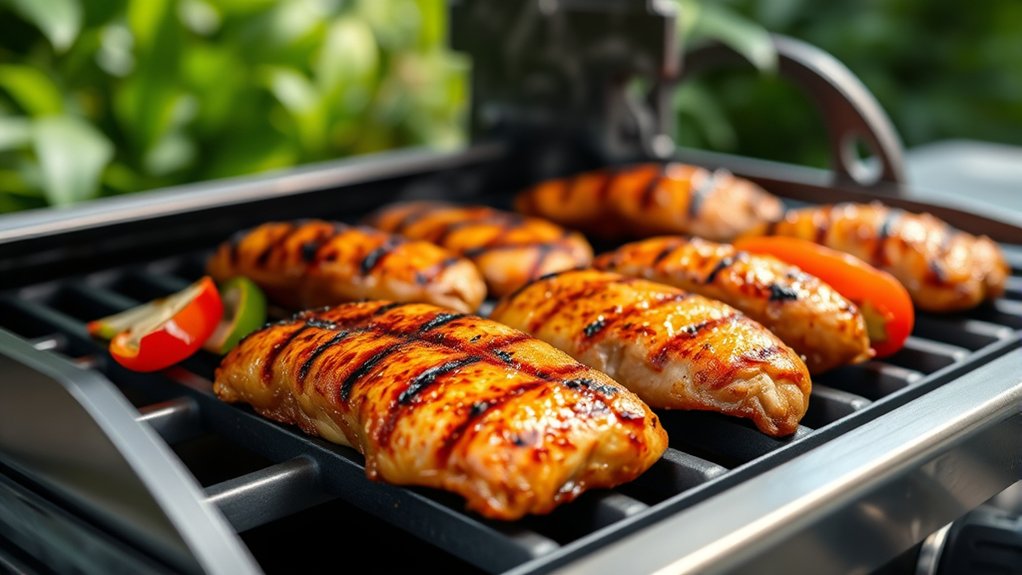
Grill chicken tenders on a gas grill for about 4 to 6 minutes per side at a consistent temperature of 375–400°F. Flip when you see grill marks and make sure the internal temp reaches 165°F, using a meat thermometer for accuracy.
Proper spacing, avoiding crowding, and pounding tenders to even thickness helps them cook evenly. Keep the lid closed during grilling to lock in juices.
If you want more tips, there’s much more to find out.
Key Takeaways
- Grill chicken tenders for 4 to 6 minutes per side on a gas grill preheated to 375 to 400°F.
- Flip when you see grill marks and the internal temperature reaches 165°F for safety.
- Thinner tenders cook faster, while thicker ones might need a few extra minutes.
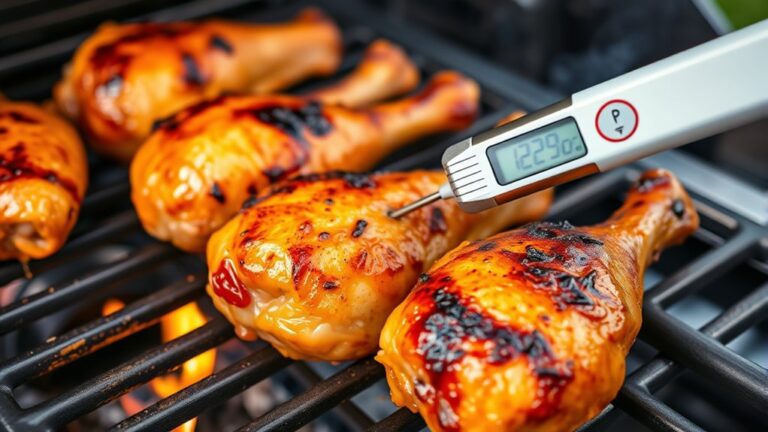
- Use a meat thermometer to make sure the tenders hit 165°F inside.
- Keep the lid closed during grilling to keep the heat steady and keep the tenders juicy.
How Long Should You Grill Chicken Tenders on a Gas Grill?
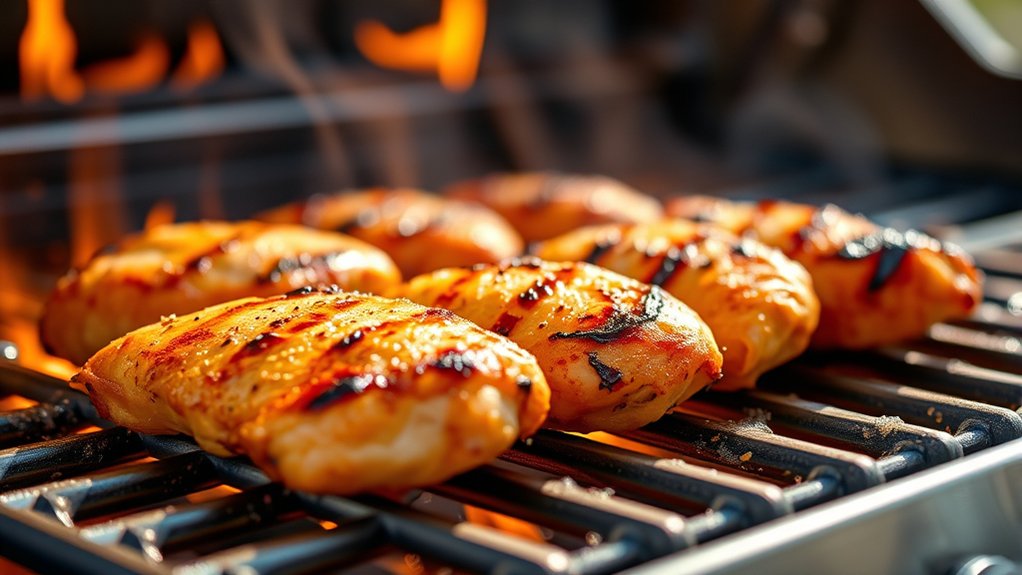
To grill chicken tenders to perfection on a gas grill, you typically need about 4 to 6 minutes per side. Your success depends on mastering simple techniques like maintaining consistent heat and turning the tenders at the right moment.
Using the right grilling accessories, such as tongs or a grill basket, makes handling the tenders easier and helps prevent sticking or tearing. Preheat your grill to a medium-high heat, around 375–400°F, for even cooking.
Keep an eye on the tenders, flipping them once they develop nice grill marks and the internal temperature reaches 165°F. Proper positioning on the grill ensures even heat exposure, which reduces cooking time and helps avoid dryness.
What Factors Affect Grilling Time for Chicken Tenders?
Several factors can influence how quickly your chicken tenders cook on a gas grill, so it’s important to adjust your timing accordingly. One key factor is marinade options; acidic marinades can tenderize the meat and reduce cooking time, while thicker marinades may insulate the chicken and extend it.
Your choice of cooking accessories, like grill mats or skewers, can also affect heat distribution and cooking speed.
| Factor | Effect on Grilling Time |
|---|---|
| Marinade options | Acidic marinades quicken; thick marinades slow |
| Grill temperature | Higher heat shortens; lower prolongs |
| Chicken tender thickness | Thicker pieces need more time |
| Cooking accessories | Non-conductive tools may slow heat transfer |
Pay attention to these factors and adjust your grilling time to ensure perfectly cooked chicken tenders every time.
How Do You Prepare Chicken Tenders for Grilling?
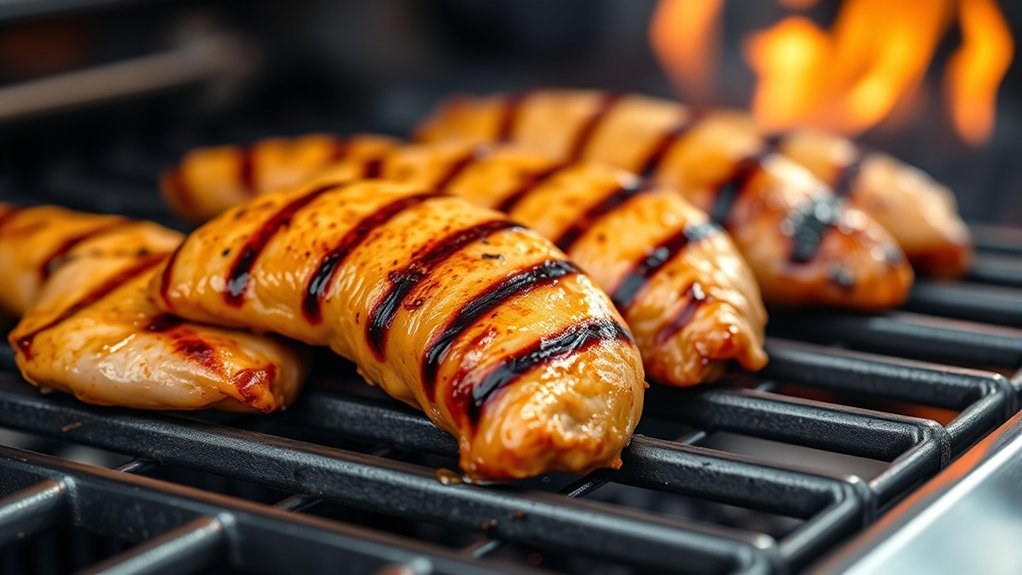
Before you start grilling, proper preparation of chicken tenders guarantees they cook evenly and stay juicy. First, pat the tenders dry with paper towels to remove excess moisture.
Next, choose your marinade options—whether a simple mixture of olive oil, lemon, and herbs or a store-bought marinade—to add flavor and tenderness. Marinate the chicken for at least 30 minutes, or up to 2 hours for more flavor.
Use the right cooking utensils, like tongs and a grill basket, to handle the tenders gently. Before grilling, remove excess marinade to prevent flare-ups.
Make sure your grill is preheated and clean. Proper preparation also involves trimming any excess fat or connective tissue for even cooking.
Following these steps will help you achieve juicy, flavorful results and make handling the tenders easier during grilling.
What’s the Best Temperature to Grill Chicken Tenders?
For perfectly grilled chicken tenders, maintaining the right temperature is crucial. The ideal grilling temperature is around 375°F to 400°F. This range helps you cook the tenders evenly without drying them out.
Too high a heat can cause the outside to burn before the inside is cooked through. On the other hand, too low prolongs cooking and can make the chicken dry. Using a meat thermometer helps you keep track of the internal temperature, which should reach 165°F for safe, juicy chicken.
Avoid burning or drying out your chicken by monitoring internal temperature—target 165°F for safe, juicy tenders.
Grilling at this temperature also allows you to develop flavor improvements like slight charring and smoky notes without overpowering the tender meat. Consistent heat ensures even cooking and maximizes flavor.
To get the best results, preheat your gas grill to this temperature and keep the lid closed as much as possible. This helps lock in juices and results in tender, flavorful chicken tenders every time.
How Can You Tell When Chicken Tenders Are Done?
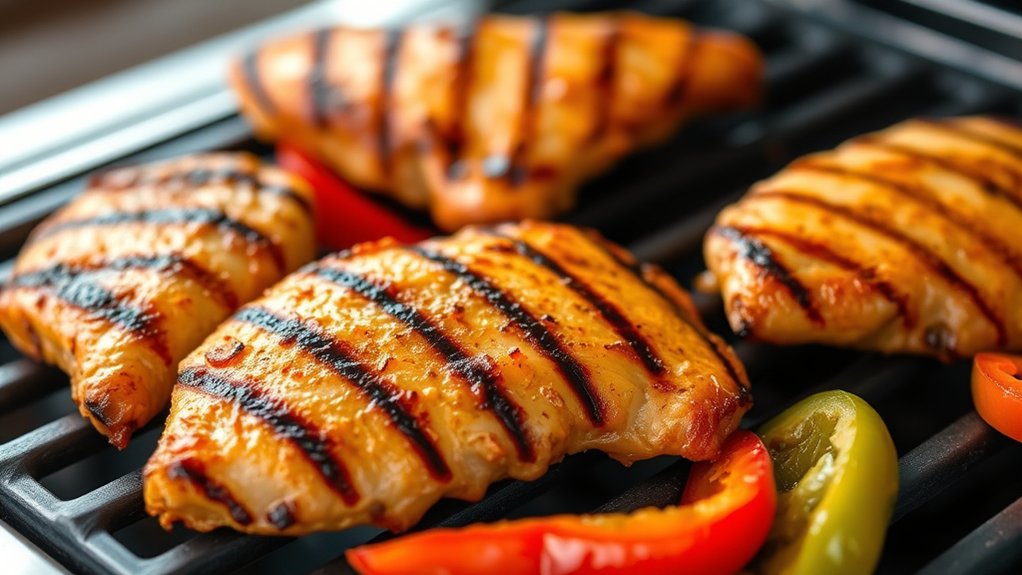
Knowing when chicken tenders are done is key to avoiding undercooking or overcooking. To tell if they’re ready, rely on visual cues, temperature readings, and your cooking techniques.
Use a reliable kitchen tool like a meat thermometer to check for an internal temperature of 165°F (74°C). Look for clear juices running from the chicken and no pink inside. The tenders should be firm but not rubbery.
When flipping, verify grill marks are consistent and that the chicken is cooked evenly. Here are some tips to confirm doneness:
- Use a digital meat thermometer for accuracy
- Check for a white, opaque interior
- Observe the color and texture of the chicken surface
- Press lightly to see if the meat feels firm
- Rely on your experience with cooking techniques to judge doneness
Mastering these indicators helps ensure juicy, safe chicken tenders every time.
How Do You Keep Chicken Tenders Juicy on the Grill?
Want your chicken tenders to stay juicy and flavorful on the grill? One of the easiest tricks is to marinate or brine them beforehand. That way, they soak up moisture and stay tender even after cooking. It’s a simple step that makes a big difference!
Next, make sure your grill is at the right temperature — not too hot, not too cold. If it’s too hot, the tenders can dry out quickly, so aim for a medium heat. And don’t forget to keep a close eye on them as they cook. Overcooking is the enemy of juicy chicken, so check frequently to pull them off at just the right moment. Follow these tips, and you’ll end up with irresistibly juicy chicken tenders every time!
Use Marinades or Brines
Using marinades or brines is a proven way to keep chicken tenders juicy and flavorful on the grill. They boost flavor infusion and help prevent drying out during cooking.
To get the most out of them, follow these tips: Use acidic ingredients like lemon juice or vinegar to tenderize. Add herbs, garlic, or spices for richer flavor.
Marinate for at least 30 minutes but no more than 2 hours to avoid mushiness. Pat tenders dry before grilling to promote searing.
Store marinated chicken in the fridge, not at room temperature, to stay safe.
These techniques will help your chicken tenders stay moist, tender, and packed with flavor, making your grilling both easy and delicious.
Maintain Proper Temperature
After marinating your chicken tenders, keeping the right temperature on your grill is essential for juicy meat. Preheat your gas grill to a medium heat, around 375°F to 400°F, for even cooking without drying out the chicken.
Keep the lid closed to maintain consistent heat and prevent flare-ups. When adding seasoning, avoid overdoing it, as this can lead to uneven cooking. Use a meat thermometer to check that the internal temperature reaches 165°F.
Staying steady at the right temperature helps your tenders cook evenly while staying moist. If needed, adjust the flame and steer clear of high heat, which can dry out the chicken and reduce its juiciness.
Avoid Overcooking
Prevent overcooking your chicken tenders by keeping a close eye on their internal temperature. Cooking them just right is key to keeping them juicy and tender.
Use a reliable meat thermometer to check for an internal temperature of 165°F. Remove the tenders as soon as they hit this mark to avoid drying them out.
Keep grilling tools like tongs and a brush nearby so you can handle the meat gently. Also, consider these tips:
- Marinate or brine beforehand to lock in moisture
- Use indirect heat if flare-ups happen
- Avoid pressing down on the tenders while grilling
- Cover with foil briefly to keep in the juices
- Let the tenders rest for a few minutes before serving
Following these steps will help prevent overcooking and ensure your chicken tenders stay flavorful and safe to eat.
What Are Common Mistakes When Grilling Chicken Tenders?
A lot of folks tend to overcrowd the grill, and that’s a big mistake. When you throw too many chicken tenders on at once, they don’t cook evenly, and it gets tricky to control the heat. Plus, crowded grill grates mean the tenders might stick together or cook unevenly, which is frustrating.
Another common slip-up is ignoring the right temperature. If your grill is too hot, the outside of the tenders might burn before the inside is cooked through. On the flip side, if it’s too cool, you’ll end up with dry, undercooked chicken. Paying attention to these little details—like keeping an eye on the heat—can really make a difference. When you do, you’ll get juicy, perfectly grilled chicken tenders every single time.
Overcrowding the Grill
Overcrowding the grill is a common mistake that can ruin your chicken tenders’ quality. When you pack too many pieces onto the grill, it becomes hard to cook evenly, leading to uneven doneness or burning.
This also stops proper airflow, causing flare-ups and making it tough to control the temperature. To avoid this, use grill accessories like racks or baskets to organize your tenders and prevent overcrowding.
Keep space between the pieces so heat can circulate properly. Remember to season your chicken with your favorite seasoning beforehand for consistent flavor.
Overloading the grill makes flipping tricky and increases the risk of sticking or tearing. Proper spacing helps with better heat transfer, more even cooking times, and a juicier result.
Focus on quality over quantity for the best grilling results.
Ignoring Proper Temperature
Ignoring proper temperature control is a common mistake that can lead to dry, overcooked chicken tenders or undercooked, unsafe meat. You need to keep an eye on the grill temperature to ensure safe cooking and prevent bacteria growth.
Without proper temperature control, you risk burning the outside while leaving the inside raw. Regular grill maintenance, like cleaning and checking vents, helps keep the heat consistent. Using a reliable meat thermometer is key to verifying when your chicken is done.
How Does Thickness Impact Grilling Time?
Thicker chicken tenders need more time on the grill because they take longer to cook through to a safe internal temperature. When the tenders are thicker, you’ll want to adjust your grilling time to make sure they’re cooked properly without overdoing the outside.
Thinner tenders cook quickly, but thicker pieces can stay raw inside if you don’t grill them right. To get the best flavor, aim for evenly cooked tenders with a juicy interior.
Use a meat thermometer to check the internal temperature, aiming for 165°F (74°C). Keep the heat steady to prevent uneven cooking.
Pounding tenders to an even thickness can help them cook uniformly. Marinate or season generously, especially on thicker cuts, to boost flavor.
Let the tenders rest briefly after grilling to allow juices to redistribute. Understanding how thickness impacts cooking helps you find the perfect balance between safety and flavor for tender, delicious results every time.
Rest and Serve Your Chicken Tenders for Maximum Flavor
Let your chicken tenders rest for a few minutes after grilling—that way, all those juicy flavors stay locked in. Just cover them loosely with a plate or something similar to keep them warm, but avoid wrapping them up tight. If you trap steam, the tenders can get soggy, and nobody wants that!
When it’s time to serve, slice the tenders against the grain—that keeps them tender and easy to chew. And don’t forget to add your favorite sauces or herbs to really amp up the flavor. Enjoy!
Rest Time Importance
After grilling your chicken tenders, letting them rest for a few minutes is key to locking in their juices and boosting flavor. Resting gives the marinade time to settle and helps redistribute moisture, making each bite tender.
It also stops the juices from spilling out when you cut into the tenders. Using cooking oil in your marinade helps keep the moisture in during resting, which enhances flavor retention.
During this time, the tenders keep cooking slightly from residual heat, so resting prevents them from drying out. Proper rest time ensures a juicy, flavorful result, making all your effort worth it.
- Boosts juiciness and tenderness
- Prevents moisture loss when slicing
- Allows flavors to meld fully
- Keeps tenders moist and tender
- Maximizes marinade effects
Proper Rest Techniques
To maximize the flavor and juiciness of your chicken tenders, proper resting and serving techniques are essential. After grilling, let the tenders rest for about five minutes to allow the juices to redistribute, ensuring moist results. During this time, use grilling accessories like a wire rack to raise the chicken, preventing sogginess.
Incorporate marinade techniques beforehand to boost flavor, but avoid slicing immediately after grilling, as this can cause juices to escape. Resting also helps the tenders finish cooking internally, reducing the risk of dryness.
Covering the tenders loosely with foil during resting keeps them warm without trapping excess moisture. Properly rested chicken tenders deliver maximum tenderness and flavor, making each bite satisfying.
Serving Tips for Flavor
For the best flavor, how you serve your chicken tenders matters just as much as how you cook them. To maximize taste, consider flavor combinations that complement the smoky, grilled notes, like a tangy barbecue sauce or a zesty honey mustard.
Presentation tips include arranging tenders neatly on a platter and garnishing with fresh herbs or lemon wedges for visual appeal. Resting your tenders briefly before serving allows juices to redistribute, keeping them moist and flavorful.
For added flavor, serve with dips or sides that amplify the main dish. Keep in mind that appealing presentation can raise the eating experience, making your chicken tenders more irresistible.
Use colorful, contrasting garnishes. Plate tenders with vibrant sides and drizzle sauces artistically. Serve on a warm platter and incorporate fresh herbs for aroma.
Troubleshooting: Why Are My Chicken Tenders Undercooked or Overcooked?
Chicken tenders can easily turn out undercooked or overcooked if you don’t pay attention to a few key factors. Poor cooking techniques, like inconsistent heat or not checking the internal temperature, are common causes.
To avoid undercooking, use a meat thermometer to check for an internal temperature of 165°F. Overcooking happens when you leave the tenders on the grill too long or at too high a heat, which can make the meat dry and tough.
Proper heat control ensures even cooking and helps keep the meat moist. Also, flavor can suffer if you don’t marinate or season your tenders well, affecting both taste and tenderness.
Keep a close eye on your grill’s temperature and cook times, adjusting as needed. Rest your chicken after grilling to help it retain juices.
Frequently Asked Questions
Can You Grill Chicken Tenders Directly on the Grill Grates?
Yes, you can grill chicken tenders directly on the grill grates, but safety is key. Keep the grill at a proper temperature of 375-400°F to prevent sticking and make sure they cook evenly.
Use tongs to handle the tenders, and don’t overcrowd the grates. This helps with safety and allows better heat circulation. Always check that the chicken reaches an internal temperature of 165°F before serving for safe, delicious results.
Should Chicken Tenders Be Marinated Before Grilling?
Marinating chicken tenders is like giving them a flavorful bath before grilling. You should definitely marinate them, as the marinade helps tenderize the meat and adds delicious flavor.
This process makes sure each bite is juicy and packed with taste. Even a quick 30-minute marinade can make a big difference, so don’t skip it if you want tender, flavorful chicken tenders straight from your grill.
What Are Some Seasoning Ideas for Grilled Chicken Tenders?
You can spice up your grilled chicken tenders with a variety of seasoning ideas. Try bold spice blends like paprika, cumin, and chili powder for a smoky flavor or mix herb combinations such as thyme, rosemary, and parsley for a fresh taste.
For an extra kick, add garlic powder or cayenne pepper. Marinate with these seasonings before grilling to really boost the flavor, making each bite flavorful and delicious.
How Do You Prevent Chicken Tenders From Sticking to the Grill?
To prevent chicken tenders from sticking, start by preheating your grill to medium-high and make sure to oil the grates thoroughly.
For example, Sarah marinates her tenders in a lemon herb marinade for extra flavor. She also guarantees the grill is well-oiled before grilling.
Keeping a consistent grill temperature and choosing marinades with oil help prevent sticking. This makes flipping easier and gives you those perfect grill marks.
Is It Safe to Grill Frozen Chicken Tenders?
It’s not safe to grill frozen chicken tenders directly because of food safety concerns. You should always thaw them first to guarantee proper cooking.
When grilling, aim for a cooking temperature of 165°F to kill bacteria. Use a meat thermometer to check the internal temperature.
Grilling from a thawed state helps prevent uneven cooking and ensures your chicken tenders are safe to eat and delicious.
Conclusion
Think of grilling chicken tenders as tending to a delicate garden; with patience and attention, you’ll get perfect results. Keep an eye on the temperature, avoid rushing, and listen for that gentle sizzle signaling they’re ready.
When you master the timing and technique, you’ll harvest tender, juicy bites every time. Just like a well-tended garden blooms beautifully, your grilling skills will flourish, and everyone will crave your flavorful, perfectly cooked chicken tenders.