10 Steps to Smoke Pork Ribs on a Pellet Grill
As an Amazon Associate, I earn from qualifying purchases. This post contains affiliate links. Which means I may earn a small commission when make a purchase through my links, at no additional cost to you.
Are you dreaming of perfectly smoked pork ribs but feeling overwhelmed by all the steps involved? You’re not alone—many BBQ enthusiasts struggle to get that tender, flavorful result every time.
Luckily, with a pellet grill, you can simplify the process and achieve mouthwatering ribs with ease.
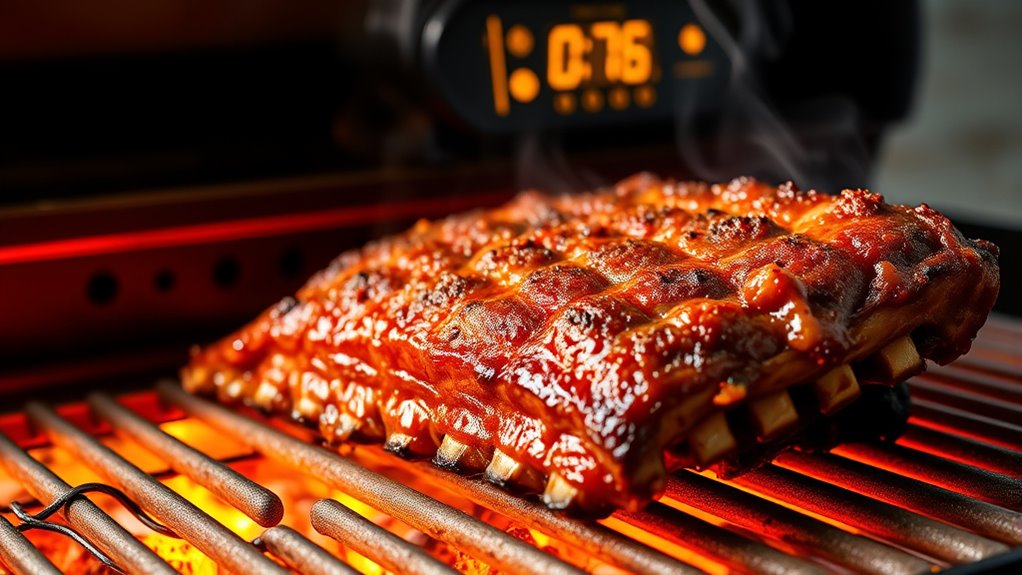
To smoke pork ribs on a pellet grill, start by cleaning and preheating your grill to 225°F. Select high-quality ribs with good marbling, remove the silver skin, and season with a flavorful rub or marinade.
Maintain a steady temperature during the 5-6 hour smoke, spritzing and wrapping the ribs around the halfway point for tenderness.
Let the ribs rest before serving. For detailed tips on each step, keep exploring for all the expert advice you need.
Key Takeaways
Preheat your pellet grill to 225°F and make sure to clean the grates before you start.
Choose high-quality ribs, remove the silver skin, and season them with a balanced dry rub.
Smoke the ribs bone side down for about 5-6 hours, spritzing with apple juice or vinegar regularly to keep them moist.
Around the 3-hour mark, wrap the ribs with foil or butcher paper to boost tenderness, then unwrap near the end of cooking.
Let the ribs rest for 10-15 minutes before slicing and serving to keep them juicy and flavorful.
How to Prepare Your Pellet Grill for Smoking Ribs
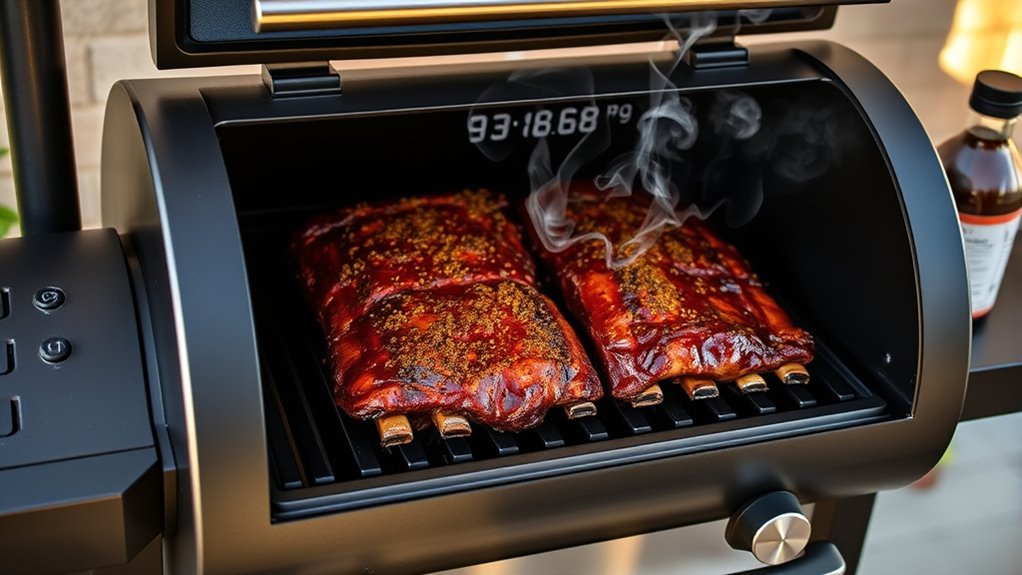
Before you start smoking ribs, it’s important to get your pellet grill ready. Make sure to clean out ash and residue from previous cooks, and check that the grates are spotless. This keeps your ribs tasting fresh and helps prevent flare-ups.
Clean the grill and check the grates to ensure fresh flavor and prevent flare-ups.
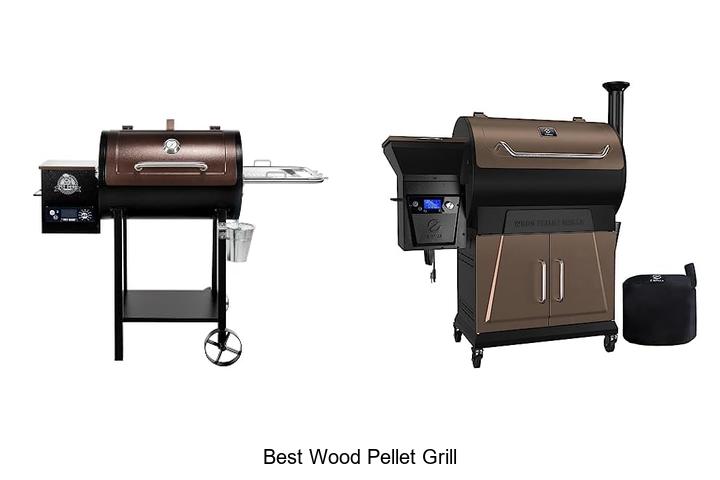
Next, choose high-quality wood pellets suited for pork, like hickory or apple. Fresh pellets burn more efficiently and give off better smoke flavor. Also, ensure your pellet hopper has enough fuel for the entire smoking process so you won’t have to stop midway.
Preheat your grill to around 225°F and make sure all parts are working properly. Consistent heat and clean equipment create the perfect environment for tender, flavorful ribs.
Good grill maintenance and careful pellet selection are key to running your smoker smoothly. They set the stage for perfectly smoked pork ribs every time.
Choosing the Best Pork Ribs and Preparing Them for Smoking
Choosing the right pork ribs is key to getting tender, flavorful smoked meat. Look for ribs with good marbling because the fat helps keep the meat moist and boosts tenderness.
Fresh, meaty ribs without too much dryness or discoloration are your best bet. When preparing, trimming the ribs is super important to remove excess fat and the thin membrane, which can block smoke and affect tenderness.
Proper trimming ensures even cooking and allows better flavor absorption.
Here are a few tips:
- Pick ribs that look clean, firm, and have plenty of meat.
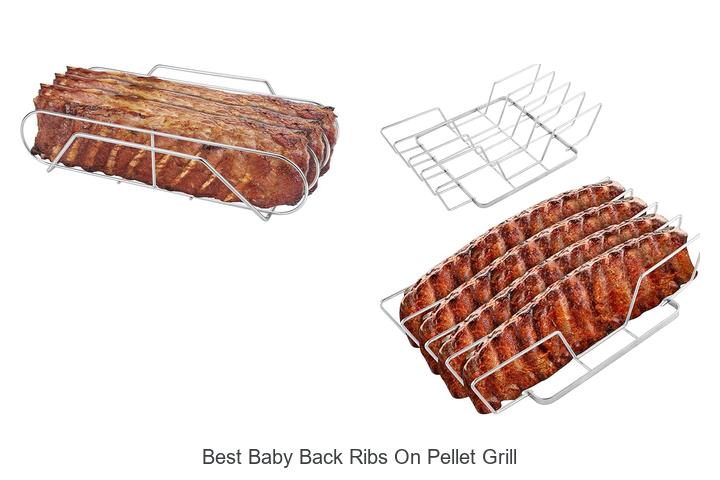
- Choose between spare ribs or baby back ribs, depending on your size and flavor preference.
- Remove the silver skin for more tenderness.
- Trim off excess fat to avoid flare-ups and promote even cooking.
Following these steps will make sure your ribs are prepped perfectly for smoking, resulting in juicy, tender meat with great flavor.
Apply a Flavorful Rib Rub and Marinade
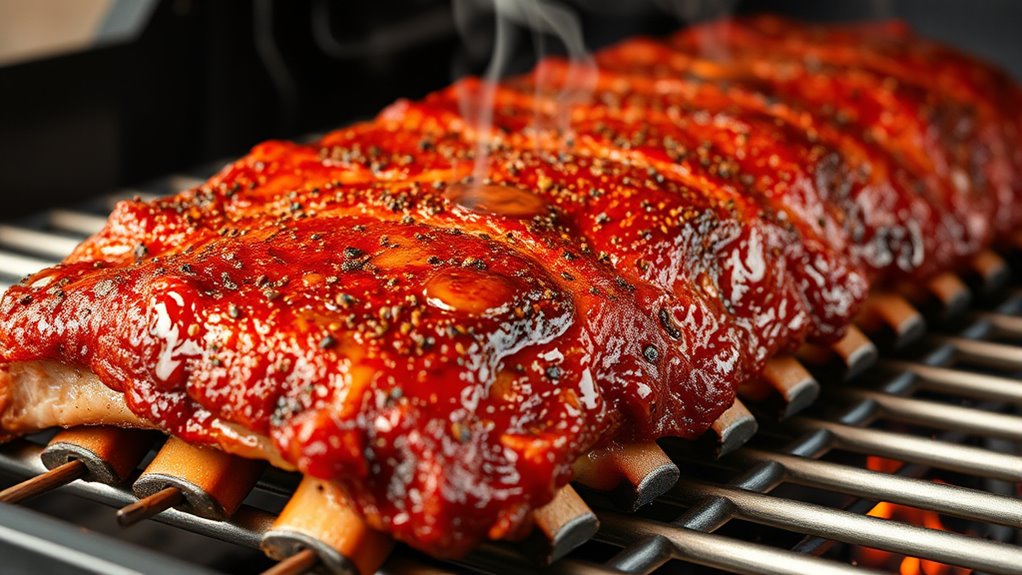
Choosing the right rub and marinade is pretty much the secret to making your ribs taste amazing. You want a rub that’s got a good mix of spices that really bring out the flavor of the meat, without overpowering it. And when it comes to marinades, they’re great for adding moisture and giving those extra layers of flavor.
When you find that perfect combo, your ribs will come out juicy, tender, and bursting with deliciousness. It’s all about experimenting a bit to see what works best for your taste buds, but once you get it right, you’ll never want to go back to plain old ribs again!
Choosing the Right Rub
A flavorful rub is essential for amplifying the natural taste of pork ribs, so choosing the right blend can make all the difference. When picking your rub, think about how it pairs with your cooking style and flavor preferences.
A good rub balances salt, sweet, spicy, and smoky elements to enhance the meat’s richness. You might go for a classic BBQ spice mix or try out unique ingredients like cumin or paprika.
Focus on the flavor profile you want—whether bold, sweet, or savory. Remember, the right rub is the foundation for a delicious smoked rib.
To add more depth, consider ingredients like brown sugar for sweetness, paprika for smoky flavor, garlic powder for richness, and chili powder for heat.
Enhancing Flavor With Marinade
After applying your flavorful rub, adding a marinade can really elevate the pork ribs by infusing them with extra depth and moisture. Marinades let you customize the flavor, giving every cookout a unique touch.
For example, a simple mix of apple juice, soy sauce, and garlic offers a sweet-savory boost. Or try a spicy marinade with chili, lime, and cumin for heat and tang.
To get the most flavor, marinate your ribs for 2 to 4 hours, making sure they’re evenly coated. Check out the table below for different marinade ideas:
How to Set Your Pellet Grill to the Perfect Smoking Temperature
To get that perfect smoky flavor, you need to set your pellet grill to the right temperature for consistent heat during cooking. Start by preheating your grill to about 225°F, which works great for slow-smoking pork ribs. Regularly cleaning your grill and checking the temperature probe for accuracy are key parts of maintenance.
When choosing wood pellets, go for high-quality options like hickory or apple to boost the flavor. Use the control panel to adjust the temperature and keep a reliable probe nearby to monitor it closely. Keep these tips in mind:
- Use a digital thermometer for accurate readings
- Regularly clean and maintain your pellet grill for even heat
- Pick the right wood pellet flavor for your taste
- Keep the lid closed as much as possible to maintain steady heat
Following these steps will help your ribs cook evenly and develop the smoky flavor you’re after.
Smoke Ribs at 225°F: Step-by-Step Temperature and Time Guide
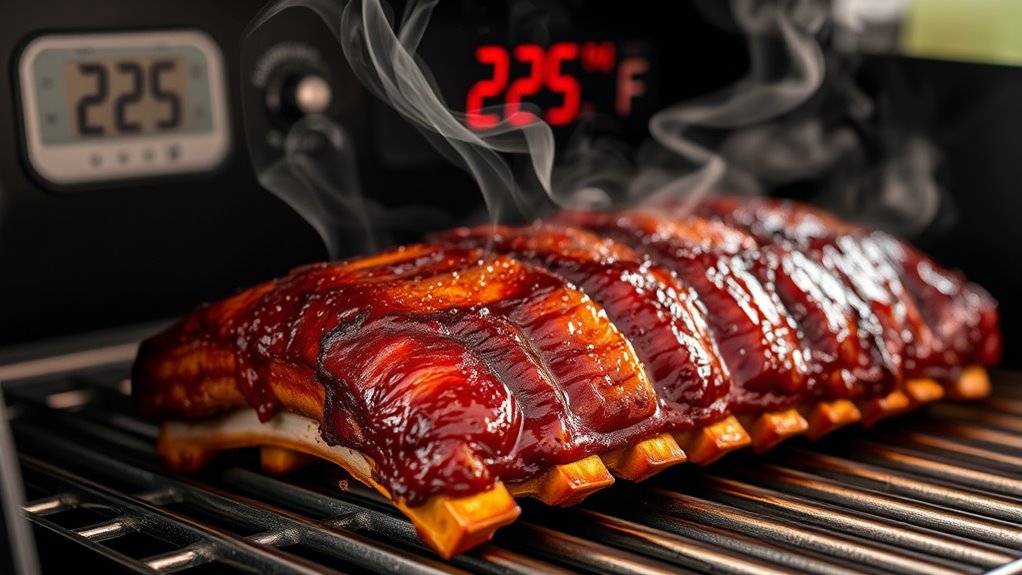
Smoking ribs at 225°F requires precise timing to get that perfect tender, flavorful bite. Usually, you’ll smoke them for about 5 to 6 hours, depending on their size and thickness. Just place the ribs bone side down on your pellet grill and keep the temperature steady at 225°F throughout.
For the best results, take it slow—low and slow is the way to go. During the first few hours, spritz the ribs with apple juice or a vinegar-based spray to keep them moist. After about 3 hours, you can add a dry rub or marinade for extra flavor.
To finish up your meal, pair the ribs with a vegetable side dish like grilled corn or a fresh salad. Sides such as coleslaw or roasted vegetables go perfectly with the smoky meat. Keep an eye on the temperature and time, and you’ll end up with juicy, tender ribs packed with flavor.
Wrap Ribs With Foil or Butcher Paper for Juiciness
Once your ribs have smoked for a few hours and developed a flavorful bark, wrapping them helps lock in moisture and keep them juicy. Wrapping creates a barrier that traps the natural juices, making each bite tender and flavorful.
While foil is the most common choice, alternatives like butcher paper or parchment paper also work well for maintaining juiciness. These options let some smoke get through while keeping moisture in, giving you different textures and flavors.
When wrapping, consider adding a splash of apple juice, vinegar, or marinade to boost moisture and flavor. The timing varies, but it’s usually done around the three-hour mark, depending on how tender you want your ribs.
Unwrap and Finish Ribs With a Final Smoke for Extra Flavor
Unwrapping your ribs for a final smoke is a great way to boost their flavor with that extra smoky kick we all love. But here’s the thing—timing is everything. You want to do this just long enough to really deepen the smoky flavor without risking drying out the meat.
Getting the technique right makes all the difference. When you do it properly, you’ll end up with ribs that are packed with smoky goodness in every single bite.
Enhancing Flavor With Smoke
To boost the smoky flavor of your ribs, consider unwrapping them near the end of the cooking process and giving them a final smoke. This step really amplifies the smoke aroma and deepens the overall flavor. After removing the foil, you can brush on BBQ sauce for some added sweetness and a shiny glaze, or apply a light rub of your favorite spices.
Trimming the ribs beforehand ensures even cooking and better smoke penetration. To get the most flavor, keep these tips in mind: Use hardwood chunks or pellets like hickory or apple for rich smoke. Maintain a steady, low temperature for slow, even smoking.
Rotate the ribs occasionally so they get uniform smoke exposure. Once done, let the ribs rest a bit to keep the juices and flavor locked in. This method guarantees your ribs will be bursting with smoky goodness and irresistible taste.
Proper Wrapping Techniques
For maximum flavor, you should remove the foil near the end of the cooking process to expose the ribs to the final burst of smoke. When unwrapping, check that your marinade is compatible with the rub you applied earlier; some marinades can alter the rub’s effectiveness or flavor.
Carefully peel back the foil to reveal the ribs, making sure not to disturb the meat too much. This step allows the smoke to penetrate further, which boosts the flavor. If you used a dry rub, consider reapplying a light coating for extra seasoning.
Be precise with your wrapping technique to prevent juices from leaking and to keep the ribs tender. Finish with a final smoke, letting the smoke flavor settle beautifully into the meat.
Timing the Final Smoke
Timing the final smoke is crucial for achieving that perfect balance of flavor and tenderness. After wrapping your ribs, unwrapping them for a final smoke lets the smoke flavor really penetrate the meat, boosting your rib seasoning.
This step also helps develop a beautiful bark and keeps the interior juicy. Before you start, make sure your pellet grill is clean and well-maintained. A clean grill prevents unwanted flavors from sneaking in.
During this final phase, keep a close eye on the ribs to avoid over-smoking, which can lead to bitterness. You want just enough smoke for richness without overpowering the meat.
Remember to monitor the temperature and smoke duration, usually around 30 minutes, for that ideal, flavorful finish. Check that your grill is at the right temperature for even smoke absorption.
Additionally, applying a light coat of marinade or rub before the final smoke can boost flavor. Keeping the grill clean and maintaining consistent heat helps you get the best results.
Finally, avoid over-smoking, as it can ruin the balance of flavors. Keep it simple, and you’ll end up with perfectly smoked, tender ribs.
Rest the Ribs Before Serving for Maximum Juiciness
Allowing the ribs to rest after cooking is key to locking in their juices and ensuring every bite is tender and flavorful. During resting, the meat redistributes its natural juices, so they don’t spill out when you cut into it.
Resting ribs redistributes juices, locking in flavor and tenderness for a perfectly juicy bite.
Use techniques like tenting the ribs loosely with foil to keep the heat in without trapping too much moisture. This step is especially important if you’ve used marinade, as the flavors need time to settle and deepen inside the meat.
Resting also helps the meat fibers relax, making each bite more tender. Avoid cutting into the ribs right after pulling them off the grill, as that releases valuable juices.
Instead, let them sit for about 10-15 minutes. This simple step makes a big difference, giving you maximum juiciness, flavor, and tenderness.
Proper resting turns good ribs into a truly mouthwatering experience.
Troubleshoot Common Pellet Grill Ribs Problems
When your ribs don’t turn out quite right, it’s a good idea to figure out what might be going wrong and how you can fix it. Sometimes you might notice that the ribs are unevenly cooked or even a little dry, but don’t worry – most of these issues have simple solutions. Let’s go through some common problems and see how you can troubleshoot and get those ribs tasting fantastic next time.
Common Pitfalls to Avoid
Even experienced pitmasters can run into issues with pellet grill ribs if they’re not careful. Common pitfalls often come from overlooked details like marinade techniques or improper rub application. To avoid dry or over-seasoned ribs, make sure you apply the rub evenly and let it sit long enough for the flavors to develop.
Watch out for these mistakes:
- Rushing the marinade process, which keeps flavors from soaking in
- Applying too much rub, leading to a bitter taste
- Forgetting to keep the grill temperature steady
- Neglecting to vent the grill for proper smoke circulation
Fixing Ribs Cooking Errors
Troubleshooting common pellet grill rib problems requires quick identification and effective solutions. If your ribs turn out dry, check your grill’s temperature consistency and avoid overcooking.
Applying the right rib seasoning helps lock in moisture and flavor, so make sure your seasoning is balanced. If your ribs are too tough, consider using a foil wrap during cooking to tenderize them.
For uneven cooking, inspect your grill’s maintenance—clean the grates and check the pellet hopper for blockages. Proper grill maintenance improves heat distribution.
If the smoke flavor is weak, verify your pellet quality and smoker settings. Adjust your cooking time or temperature accordingly, and always keep a close eye on your ribs.
Fixing these issues ensures you get perfectly tender, flavorful pork ribs every time.
Serve and Enjoy Your Perfectly Smoked Pork Ribs
Once your pork ribs are perfectly smoked and tender, it’s time to serve and enjoy them. To improve the experience, make sure your grill is clean and well-maintained. This keeps the flavor pure and makes cleanup easier later on.
Ensure your grill is clean and well-maintained for pure flavor and easier cleanup after perfect smoking.
When choosing your meat, focus on quality sourcing. Look for fresh, well-marbled ribs for the juiciest, most flavorful results. Rest the ribs for a few minutes before slicing so the juices can settle.
Consider serving your ribs with classic sides like coleslaw or baked beans to complement the smoky flavor. For presentation, arrange the ribs on a platter and offer your favorite barbecue sauce on the side.
Adding sauce gives extra moisture and taste. Remember, the little details matter. Proper grill maintenance and quality meat make all the difference.
Follow these steps, and you’ll create a satisfying, flavorful feast that showcases your smoking skills and delights everyone at the table.
Frequently Asked Questions
What Type of Wood Pellets Produce the Best Flavor for Pork Ribs?
For pork ribs, hickory and apple wood pellets create the best flavor combinations. Hickory offers a rich, smoky taste that enhances the natural pork flavor. Apple adds a subtle sweetness and a fruity note.
Mixing these pellet types can give you a balanced, complex flavor profile. It’s a great way to experiment and find what suits your taste buds best.
Try different combinations to make your ribs flavorful and delicious. Don’t be afraid to get creative and find your perfect smoky, sweet balance.
How Do I Prevent the Ribs From Drying Out During Smoking?
Oh, dry ribs—your culinary nightmare! To prevent that, keep your ribs moist by applying marinade alternatives like apple juice or a vinegar-based spray during smoking.
Ribs seasoning can include a bit of oil or mustard to lock in moisture. Wrap the ribs in foil halfway through, and maintain a steady, low temperature.
This way, your ribs stay tender, juicy, and flavorful—no dry bites allowed!
Can I Add Wood Chips During the Smoking Process?
Yes, you can add wood chips during the smoking process to boost flavor and keep the smoke steady.
Just soak the chips in water for about 30 minutes before adding them. You can put them in your pellet grill’s hopper or right onto the heat source.
Adding chips periodically helps maintain a consistent smoke flow, so your ribs get that rich smoky flavor.
It also helps prevent flare-ups or uneven smoking, making sure your meat turns out perfect.
What’s the Optimal Resting Time After Smoking Ribs?
Did you know resting meat improves tenderness by allowing juices to redistribute? After smoking ribs, you should rest them for about 15 to 30 minutes.
This pause helps the meat reach an ideal cooking temperature and makes the ribs more tender. It also ensures every bite is juicy and flavorful.
Wrap the ribs in foil or a towel during resting. This simple step makes a noticeable difference in the texture and taste of your smoked ribs.
How Do I Adjust Cooking Time for Different Rib Sizes?
To modify cooking time for different rib sizes, start with trimming the ribs. Smaller cuts cook faster, so cut down on your cooking time a bit. For larger ribs, extend the smoking time to make sure they’re tender.
Experiment with different marinades to boost the flavor, but always keep an eye on doneness. Use a meat thermometer—ribs are ready around 190°F to 203°F.
Adjust your cooking time based on the size and thickness of the ribs to get perfect results every time.
Conclusion
Now that you’ve mastered the art of smoking pork ribs on your pellet grill, you’re ready to turn your backyard into a smoky sanctuary. Think of each rib as a tender symphony of flavors, slowly harmonizing over the heat.
With patience and passion, you’ll create mouthwatering masterpieces that dance on your taste buds. So, fire up that grill and welcome the smoky magic.
Let your culinary journey unfold and enjoy delicious memories with perfectly smoked pork ribs. Remember, achieving that ideal smoke ring is part of the fun in smoking on your pellet grill.