How Long to Grill Beef Tenderloin on a Gas Grill
Many people struggle with grilling the perfect beef tenderloin, and you’re not alone. Getting that ideal medium-rare center while keeping the outside juicy and flavorful can feel tricky.
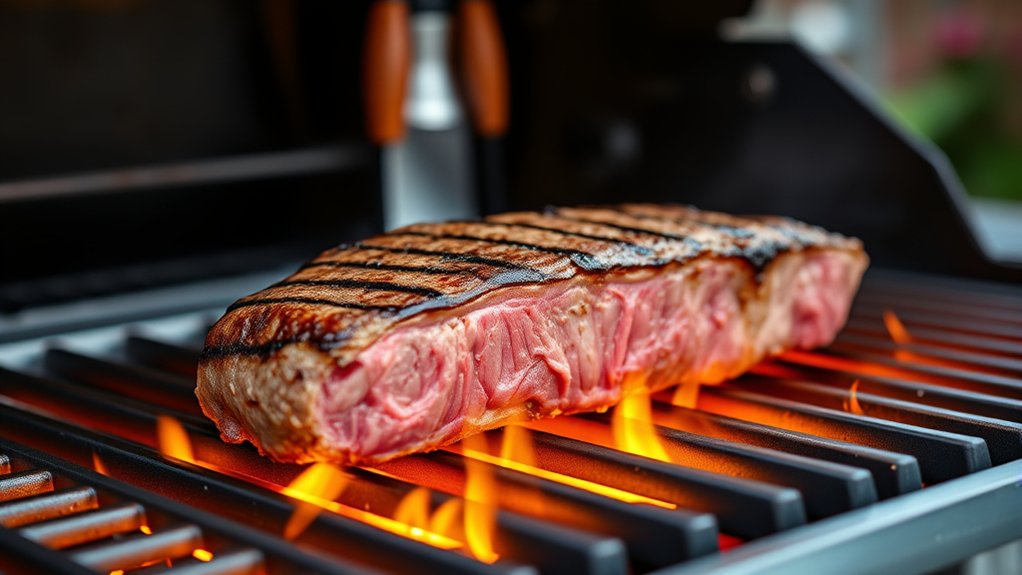
Grill your beef tenderloin on a gas grill preheated to high (450°F-500°F) for about 4-5 minutes per side for medium-rare. Use a meat thermometer to check internal temperature, aiming for 130-135°F.
For other doneness levels, adjust the time accordingly.
Remember to let the meat rest after grilling to lock in juices and maximize tenderness.
If you want to master perfect grilling techniques, there’s plenty more to uncover below.
Key Takeaways
- Grill beef tenderloin for 4-5 minutes per side for medium-rare, aiming for an internal temperature of 130-135°F.
- Use a two-zone setup: high heat for searing and medium or low for indirect cooking to control doneness.
- Adjust grilling time based on thickness and how done you want it, keeping an eye on the meat thermometer.
- Take the meat off the grill a few degrees before reaching your target temp to let carryover cooking finish the job.
- Rest the meat loosely covered with foil for about 10 minutes before slicing to keep it juicy.
How to Prepare Your Beef Tenderloin for Perfect Grilling
Before grilling, you need to prepare your beef tenderloin properly to guarantee it cooks evenly and stays tender. Start with meat selection; choose a high-quality, fresh cut with good marbling, which improves flavor and juiciness.
Let the tenderloin sit at room temperature for about 30 minutes before cooking to promote even heating. When it comes to cooking temperature, aim for a medium-high heat on your grill, around 400°F to 450°F.
Season the meat generously with salt, pepper, and your preferred herbs or spices, ensuring an even coating. Pat the seasoning into the meat to help it adhere.
Trim any excess silver skin or fat to prevent flare-ups and uneven cooking. Proper preparation, including choosing the right meat and setting the correct cooking temperature, sets the foundation for a perfectly grilled beef tenderloin that’s tender, flavorful, and cooked to your desired doneness.
Setting Your Gas Grill for Beef Tenderloin
To achieve perfectly grilled beef tenderloin, you need to set your gas grill to the right temperature and configuration. Start by preheating your grill to a high heat, around 450°F to 500°F, which guarantees a good sear.
Preheat your gas grill to 450°F–500°F for a perfect sear on beef tenderloin.
For added flavor, you can use a two-zone setup: one side on high heat for searing, and the other on medium or low for indirect cooking. This helps you control the grill temperature and prevents overcooking.
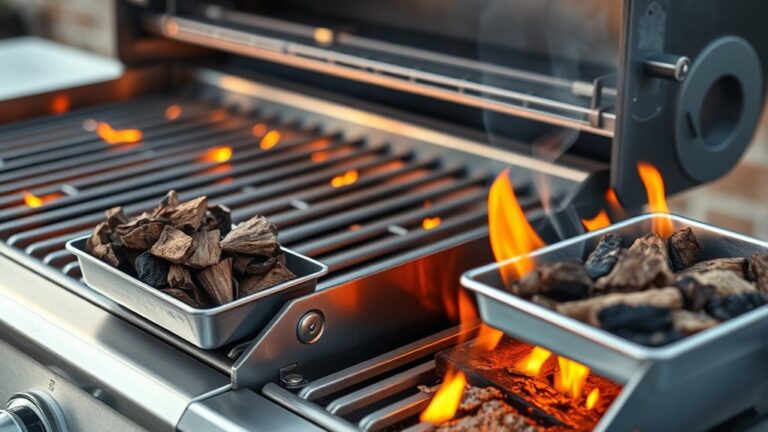
To mimic charcoal flavor, consider adding wood chips to your grill. Soak them first and place them on the heat source. Keep the lid closed during grilling to maintain a consistent temperature and improve smoky notes.
Proper setup guarantees you get a beautiful crust without losing juiciness inside. Remember, precise control over grill temperature and configuration is key to achieving that perfect balance of flavor and doneness for your beef tenderloin.
Grilling Time for Different Doneness Levels
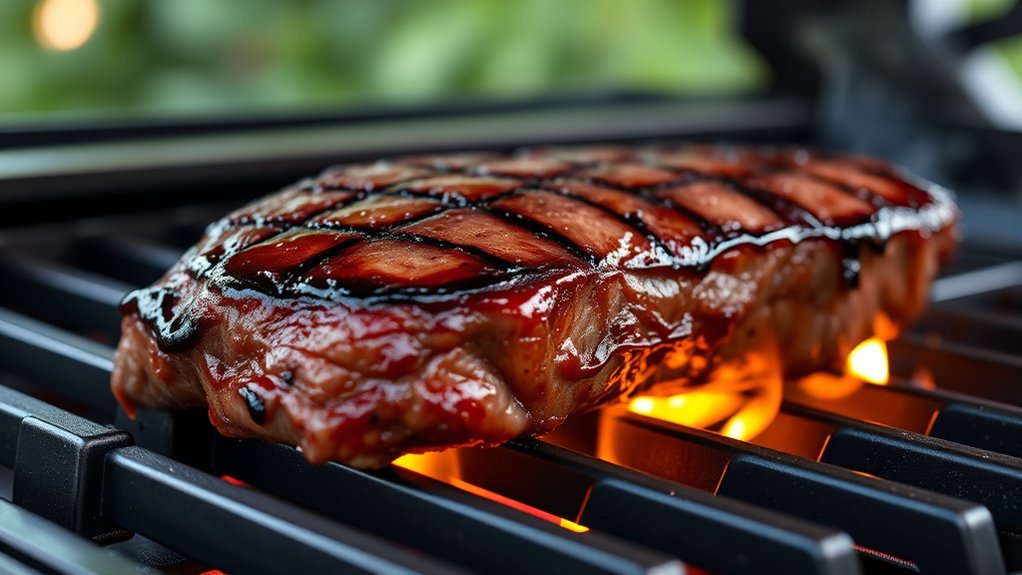
Understanding the grilling times for different doneness levels is key to getting the perfect result. For medium-rare, grill your beef tenderloin for about 4-5 minutes per side over direct heat, aiming for an internal temperature of 130-135°F.
Medium requires roughly 6-7 minutes per side, with an internal temperature of 140-145°F. Well-done takes about 8-9 minutes per side, reaching 155-160°F. Longer cooking can make the beef less tender, so sticking to these times helps keep it juicy and tender.
Keep safety in mind—avoid flare-ups and make sure the meat hits the right temperature to prevent foodborne illnesses. Using these times as a guide, you’ll be able to control the doneness level precisely.
This way, you’ll get a tender, flavorful beef tenderloin every time. Remember to rest your meat after grilling so the juices can redistribute, giving you the best possible tenderness.
Using a Meat Thermometer to Monitor Doneness
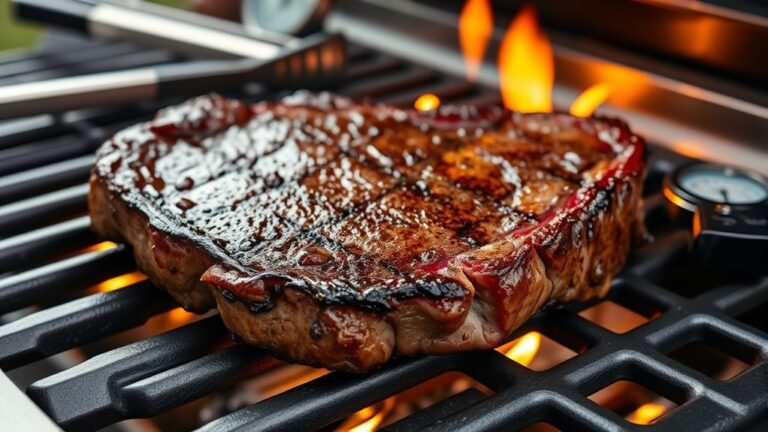
Using a meat thermometer is the most reliable way to guarantee your beef tenderloin reaches the perfect level of doneness. It gives you precise control over the meat’s temperature, helping you get consistent results every time.
Keep an eye on the thermometer’s reading and take out the tenderloin at the recommended temperature for your desired doneness. This way, you’ll avoid overcooking or undercooking the meat.
Here’s a quick guide to internal temperatures:
| Doneness Level | Meat Temperature (°F) |
|---|---|
| Rare | 120-125 |
| Medium Rare | 130-135 |
| Medium | 140-145 |
| Well Done | 160+ |
How to Achieve Great Grill Marks and a Crispy Crust
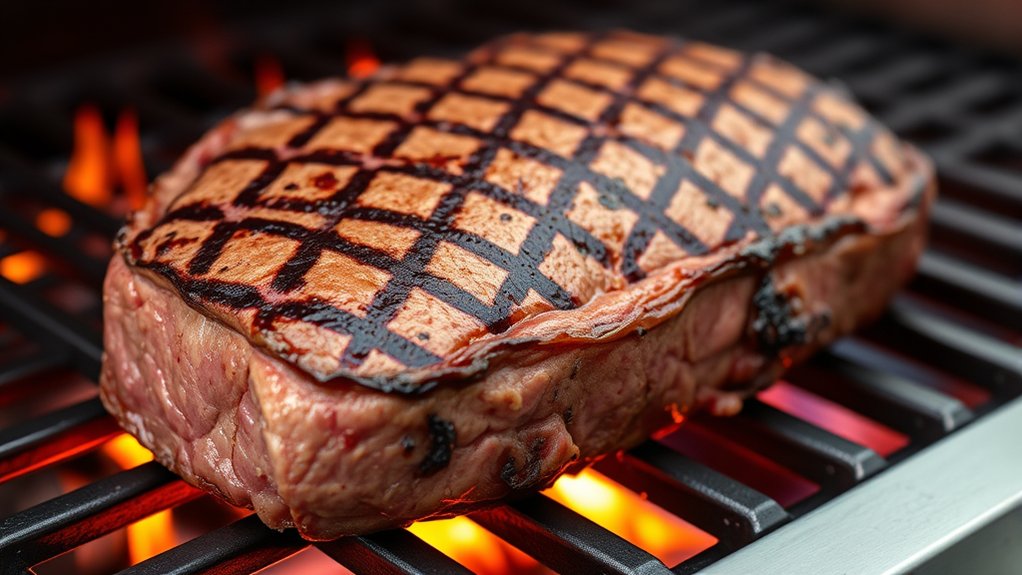
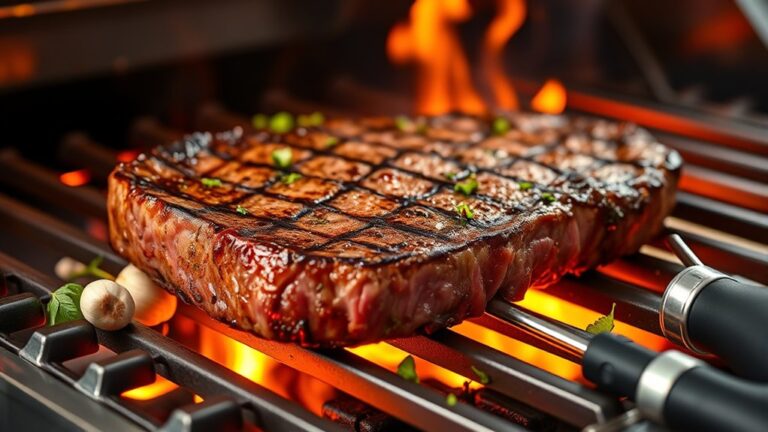
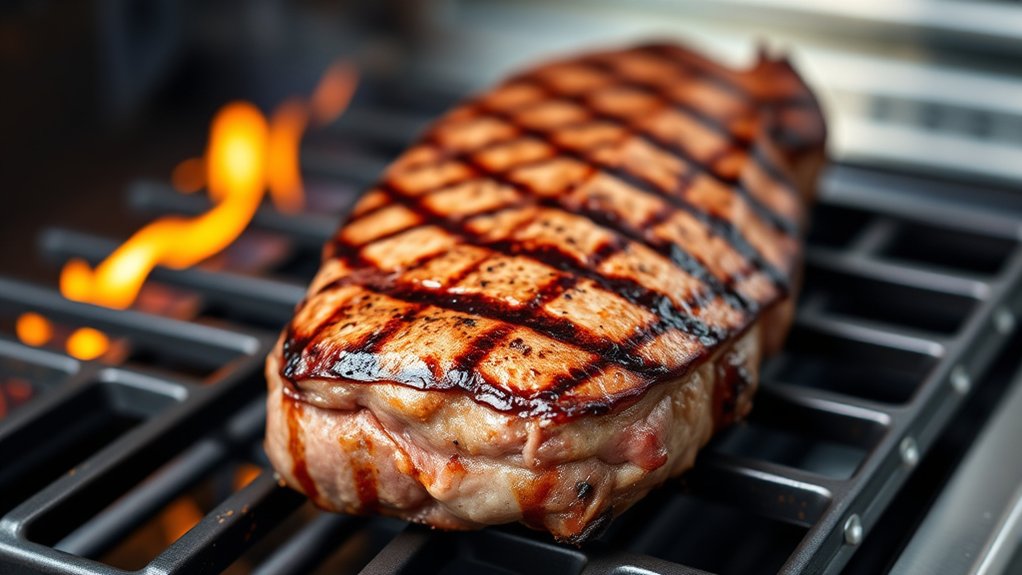
Achieving impressive grill marks and a crispy crust starts with properly preparing your beef tenderloin and controlling the grill temperature. Use direct heat and preheat your gas grill to around 450°F to 500°F.
To create those perfect grill marks, position the meat at a 45-degree angle on the grates, then rotate it 90 degrees halfway through each side’s cooking time. Employ grilling accessories like a grill brush to clean your grates for better searing and a meat thermometer to monitor internal temperature.
Apply oil or a light marinade to the tenderloin’s surface to promote caramelization and crust formation. Use tongs to handle the meat gently, avoiding puncturing the surface.
Consistent heat and proper technique will give you those beautiful crosshatch marks and a flavorful, crispy exterior. Remember, patience and attention to detail are key to achieving restaurant-quality results right on your gas grill.
How to Check When Your Beef Tenderloin Is Done
To guarantee your beef tenderloin is perfectly cooked, start checking its doneness with a reliable meat thermometer. Insert it into the thickest part of the meat, avoiding bones or fat.
For the best tenderness, aim for an internal temperature of 125°F (52°C) for rare, 135°F (57°C) for medium-rare, and 145°F (63°C) for medium. This helps you get the right balance of juiciness and texture.
Monitoring the temperature also ensures grill safety by preventing undercooking or overcooking, which could affect the meat’s quality or safety. Remember, carryover heat will raise the temperature slightly after removing from the grill, so take it off a few degrees early.
Using a thermometer is the most accurate way to check doneness, making sure your beef tenderloin reaches your desired level while staying tender and juicy.
Why Resting Your Beef Tenderloin Matters
After removing your beef tenderloin from the grill, letting it rest allows the juices to redistribute throughout the meat, making each bite tender and flavorful. Resting is key for great eating quality, but it also helps with food safety.
Cutting into the meat too soon can cause juices and bacteria on the surface to spread, which might be risky. Proper resting time helps the internal temperature stabilize and reduces the chances of undercooked sections.
Resting your beef tenderloin also benefits your equipment by preventing the need for excessive slicing or handling that could damage your tools or grill surface. It makes cleanup easier since the meat isn’t dripping with juices.
Troubleshooting Common Grilling Issues
Even experienced grillers run into common issues that can mess up your perfectly cooked meat or make grilling less fun. If your beef tenderloin isn’t turning out right, check your meat selection—go for high-quality cuts for the best results.
Making sure you’re grilling safely is key, especially with high heat and flare-ups. Here’s a quick troubleshooting guide to help you out:
| Issue | Solution |
|---|---|
| Meat sticking to grill | Preheat the grill properly and lightly oil the grates. |
| Uneven cooking | Use a two-zone setup and flip the meat regularly. |
| Flare-ups | Trim excess fat and avoid over-oiling. |
| Dry meat | Don’t overcook; use a meat thermometer. |
Fixing these issues keeps your grilling safe, helps you get perfect doneness, and ensures you enjoy tender, flavorful beef every time.
Flavor Variations for Grilled Beef Tenderloin
If you want to boost the flavor of your grilled beef tenderloin, try using some classic herb marinades. They add a nice touch of freshness and depth that really makes the meat stand out. It’s a simple way to elevate your grilling game and impress your guests.
If you’re feeling a bit more adventurous, spicy rubs and glazes are the way to go. They bring some heat and boldness to each bite, making your steak truly exciting. Don’t be afraid to experiment with different flavors—this way, you can perfectly customize your steak to suit your taste buds.
Classic Herb Marinades
Classic herb marinades are a simple yet flavorful way to *boost* the natural taste of beef tenderloin on the grill. An herb infusion adds depth, while marinade variations let you customize flavors to suit your preferences.
You can experiment with fresh herbs like rosemary, thyme, and parsley, or opt for dried versions for convenience. These marinades work best when brushed onto the meat before grilling or used as a soak.
To *lift* your dish, try combining herbs with garlic, lemon, or olive oil for a well-rounded flavor. Here’s a quick guide to popular herb infusion options:
| Herb | Marinade Variation | Best Pairing |
|---|---|---|
| Rosemary | Olive oil + lemon juice | Beef tenderloin, potatoes |
| Thyme | Garlic + red wine | Roasted vegetables |
| Parsley | Lemon zest + olive oil | Light, fresh flavor |
| Basil | Balsamic vinegar | Summer grilling |
Spicy Rubs and Glazes
Adding a spicy rub or glaze can give your beef tenderloin bold, fiery flavors that contrast nicely with its rich, tender meat. Spicy rubs like chili powder, cayenne, cumin, and smoked paprika create a tasty crust when applied before grilling.
Use glazing techniques to add a shiny, spicy-sweet finish—think honey or brown sugar mixed with hot sauce or chili paste. Be generous with the rub and let it sit for at least 30 minutes to boost the heat and flavor.
During grilling, brush the glaze on in the last few minutes to develop a caramelized, spicy coating. This adds a fiery kick that complements the beef’s richness, making every bite lively and unforgettable.
Serving and Slicing Your Beef Tenderloin for Maximum Flavor
After you pull the beef tenderloin off the grill, give it a few minutes to rest. This little pause helps the juices settle so every bite stays juicy and flavorful.
When you’re ready to slice, grab a sharp knife and cut against the grain. That way, each slice will be nice and tender, making every bite just that much better.
And don’t forget the finishing touch—serve it up with your favorite sauces. They’ll bring out even more flavor and make your beef tenderloin truly irresistible!
Resting Time Importance
Allowing your beef tenderloin to rest after grilling is key to locking in juices and getting the most flavor. Resting helps the meat keep its moisture, so it stays tender and juicy when you slice it.
During this time, the internal temperature stabilizes, making your cooking more effective and your beef more flavorful. It’s also a safety step to prevent hot juices from splattering and to make sure the meat reaches a safe temperature throughout.
Keep the tenderloin loosely covered with foil to stay warm without steaming the surface. Skipping this step can leave you with dry, less tasty meat, no matter how well you cooked it.
Proper resting is a simple yet essential part of grilling that guarantees a juicy, delicious final dish.
Proper Slicing Techniques
To guarantee your beef tenderloin stays flavorful and tender, proper slicing is essential. Start by letting it rest for about 10 minutes after grilling to lock in juices.
When slicing, cut against the grain. This shortens muscle fibers, making each bite more tender. Use a sharp knife to achieve clean, even slices.
Beef tenderloin trivia reveals that slicing incorrectly can turn a perfectly cooked piece into a tough chew. Avoid common grilling myths that suggest slicing immediately or at an angle; patience ensures maximum tenderness.
Enhancing Flavor With Sauces
Once you’ve sliced your beef tenderloin to showcase its perfect texture, adding the right sauce can really take its flavor to the next level. A good sauce should enhance the beef without overpowering it.
For a classic pairing, try a rich red wine reduction or a creamy horseradish sauce to add depth and tang. If you’re into a touch of sweetness, a balsamic glaze works beautifully, balancing savory notes.
When choosing a sauce, think about the tenderness of the cut and what flavors you enjoy most. The best sauces complement the beef without masking its natural richness.
You can drizzle the sauce over the beef or serve it on the side for dipping. Properly sauced, your beef tenderloin becomes a memorable dish that highlights its juiciness and flavor profile.
Frequently Asked Questions
What Is the Ideal Thickness for Grilling Beef Tenderloin?
You should aim for a beef tenderloin thickness of about 1.5 to 2 inches for grilling. This thickness helps you get the perfect cooking temperature, giving you a nice sear on the outside while keeping the inside juicy.
Remember to let the meat rest for about 10 minutes after grilling. This helps the juices redistribute, making the beef tender and flavorful.
Taking this extra step ensures your beef tenderloin becomes the star of any meal.
How Do I Prevent My Beef Tenderloin From Sticking to the Grill?
Think of your grill as a dance floor; if it’s dirty or sticky, the dance is hindered. To prevent your beef tenderloin from sticking, make sure the grill is clean and well-oiled.
Preheat to the right cooking temperature, around medium-high, so the meat glides smoothly without sticking. Properly cleaned and seasoned grates act like a good dance partner, guaranteeing a flawless, flavorful performance.
Can I Grill Beef Tenderloin Using Indirect Heat?
Yes, you can grill beef tenderloin using indirect heat. Set your gas grill to a cooking temperature of around 375°F to 400°F, and use grill accessories like a drip pan to catch drippings.
Position the tenderloin away from direct flames to ensure even cooking. This method helps prevent burning and keeps the meat juicy.
With this approach, you’ll get a perfectly cooked tenderloin with a beautiful crust and tender inside.
How Do I Store Leftover Grilled Beef Tenderloin Safely?
To store leftover grilled beef tenderloin safely, you should promptly refrigerate it within two hours of cooking. Use airtight containers to keep it fresh and prevent contamination.
Proper food safety practices involve dividing the leftovers into smaller portions so they cool evenly. This helps prevent bacteria growth.
Consume the leftovers within 3-4 days and reheat thoroughly before eating. This way, your leftovers stay safe and tasty for later enjoyment.
What Are Some Marinade Options for Beef Tenderloin?
You can improve your beef tenderloin’s flavor with a variety of marinade ingredients like soy sauce, garlic, rosemary, olive oil, and balsamic vinegar. These marinades boost moisture and add richness, making your meat more tender and flavorful.
For best results, marinate for at least 2 hours or overnight. This simple step guarantees your beef tenderloin is juicy, savory, and perfectly seasoned before grilling, elevating your overall dish.
Conclusion
Now that you know how to grill beef tenderloin to perfection, you’ll impress everyone at your next cookout. Remember, timing and temperature are key, but don’t forget the importance of resting the meat for maximum flavor.
With a little practice, you’ll master those beautiful grill marks and achieve that crispy crust everyone loves. Cooking beef tenderloin on a gas grill doesn’t have to be complicated, especially once you get the hang of it.
Are you ready to turn your grill into a gourmet station and create unforgettable meals? The perfect tenderloin is just a grilling session away.