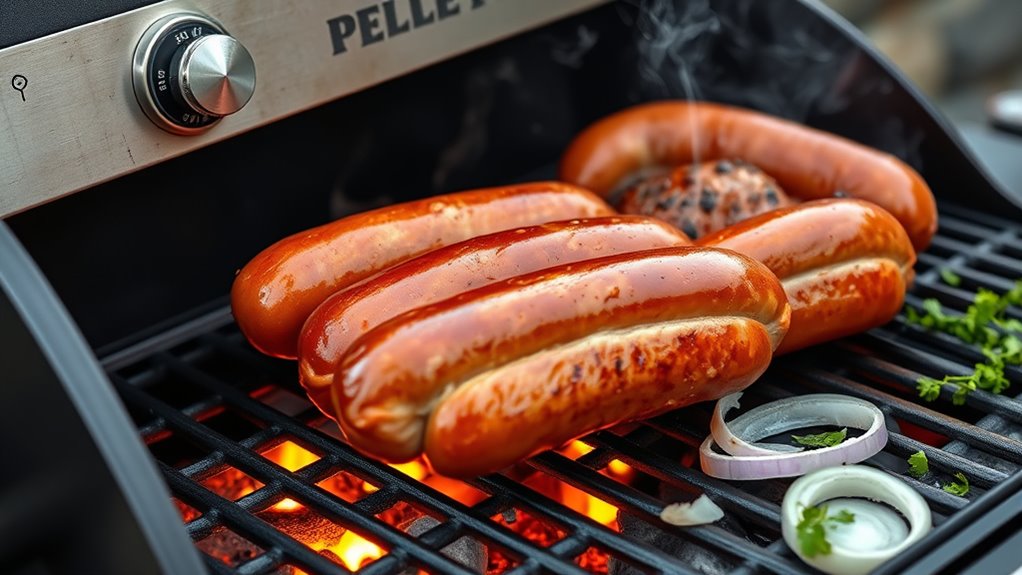
How to Cook Brats on a Pellet Grill at the Ideal Temp
Cooking brats on a pellet grill might seem straightforward, but many people struggle to get that perfect smoky flavor and ideal doneness. If you’ve ever felt unsure about the right temperature or how long to cook, you’re not alone.
Achieving juicy, flavorful brats that are cooked just right can be tricky without the right tips.
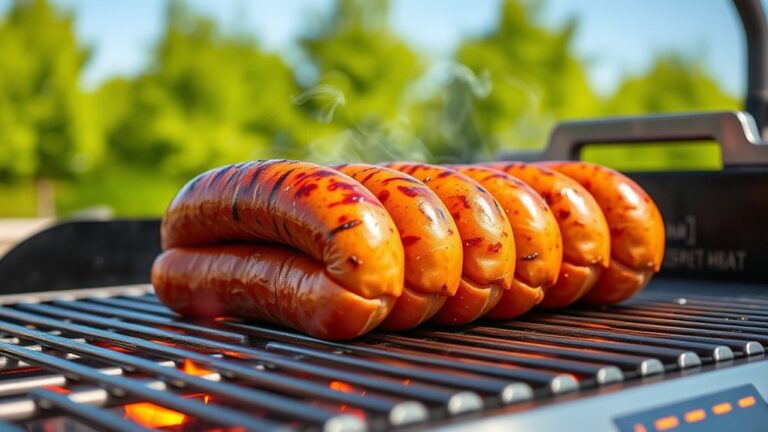
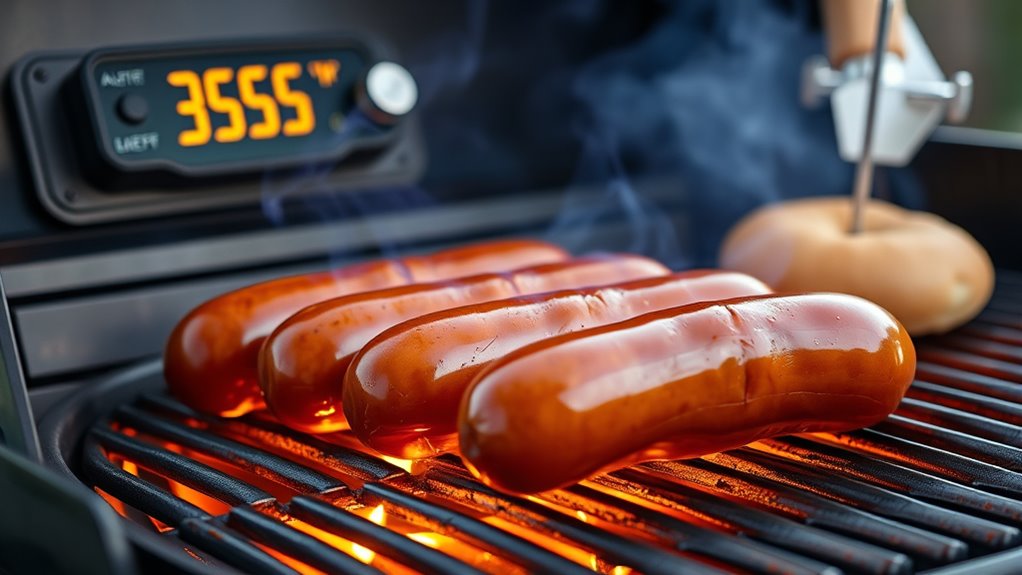
To cook brats on a pellet grill at the ideal temp, preheat your grill to 350°F to 375°F and maintain steady heat.
Place the brats on the grates and turn occasionally, cooking for about 20 to 25 minutes until they reach an internal temperature of 160°F.
Use wood pellets like hickory or apple for smoky flavor, and avoid opening the lid too often.
Keep watching for helpful tips to perfect your grilling technique.
Key Takeaways
Preheat your pellet grill to a steady 350°F to 375°F before placing the brats on the grill.
Use a reliable thermometer to keep the grill temperature consistent during cooking. This helps ensure even heat and flavor.
Grill the brats for about 20 to 25 minutes, turning them occasionally for even cooking and smoky goodness.
Make sure the internal temperature hits at least 160°F for safety and proper doneness.
Keep the lid closed as much as possible to maintain a stable temperature and avoid heat fluctuations.
Preparing Your Pellet Grill for Perfect Brats
Before you start cooking your brats, it’s important to prepare your pellet grill properly. Keeping your grill well-maintained ensures it runs smoothly and helps avoid unexpected problems.
Clean out ash and residue from previous cooks, and make sure the grates are clean and in good shape. Good maintenance keeps the heat steady and enhances the flavor of your brats.
Regularly clean ash and residue to maintain steady heat and boost flavor.
Next, focus on pellet selection. Use high-quality pellets suitable for grilling, like hardwood varieties such as hickory or apple. The right pellets give you consistent heat and add a smoky flavor.
Store your pellets in a dry, airtight container to prevent moisture from seeping in, which can affect how well they burn. Before firing up, double-check that all grill components are assembled correctly.
Fill the hopper with fresh pellets, and you’re ready to go. Taking these simple steps sets you up for perfectly cooked brats every time.
What Is the Best Temperature to Cook Brats on a Pellet Grill?
To get those brats just right, you want to keep your pellet grill at a good steady temperature—usually around 350°F to 375°F. That way, they cook evenly without burning or drying out. It’s super important to keep that temperature consistent, so make sure to use a reliable thermometer and try not to open the lid too often. Each time you lift it, the temperature drops, and that can mess with the cooking process.
And a little tip—be careful not to overcook the brats. If they stay on the grill too long or at too high a heat, they can become dry and lose that juicy goodness inside. So, aim for that sweet spot, and you’ll end up with perfectly cooked, flavorful brats every time!
Optimal Cooking Range
Maintaining the right temperature is key for cooking perfect brats on a pellet grill. It helps them cook evenly and stay juicy.
The ideal range is between 350°F and 375°F. At this temperature, your brats will develop a nice sear while remaining tender inside.
Cooking within this range also boosts flavor, as the juices caramelize and create a richer taste. It reduces the risk of burning or drying out the meat.
Good grill maintenance, like keeping the pellet hopper filled and cleaning the grates, helps keep the temperature steady.
Sticking to this range ensures your brats are flavorful, evenly cooked, and perfectly juicy every time.
Temperature Consistency Tips
Achieving consistent temperature control is key to perfectly cooked brats on a pellet grill. To keep the heat steady, focus on proper grill maintenance and using good-quality pellets.
Regularly clean your grill to prevent airflow blockages and ensure steady heat. Using high-quality pellets with consistent burn rates helps maintain reliable temperatures.
Keep an eye on your pellet hopper so you don’t run out mid-cook, which can cause temperature dips.
Avoiding Overcooking
Since overcooking brats can lead to dry, tough meat, it’s essential to cook them at the right temperature. Keep your grill steady around 350°F to prevent drying out the sausages. Proper seasoning techniques also help lock in moisture and flavor, reducing the risk of overcooking.
Regular grill maintenance ensures consistent heat distribution, so you don’t have hot spots that could cause uneven cooking. Use a meat thermometer to monitor internal temperature—aim for 160°F for fully cooked brats.
Avoid high temperatures that can cause the outer casing to burst or become overly charred. By maintaining your pellet grill properly and paying close attention to timing, you’ll keep your brats juicy and tender without overdoing it.
How Long Should I Grill Brats at the Right Temperature?
To cook perfect brats on a pellet grill, aim for about 20 to 25 minutes at a steady temperature of 350°F. This helps the brats cook evenly and develop a flavorful exterior. Keeping your grill well-maintained also helps maintain this temperature and prevents hot spots, which leads to better flavor.
Cook brats on a pellet grill for 20-25 minutes at 350°F for even cooking and rich flavor.
Here’s what to focus on:
- Timing: Grill for 20–25 minutes, turning occasionally to avoid overcooking or burning.
- Temperature: Keep it steady at 350°F for even heat and great flavor.
- Monitoring: Use a meat thermometer to make sure the internal temp hits 160°F, so they’re cooked through but not dried out.
Following these steps will give you juicy, flavorful brats while keeping your grill in good shape. Proper timing and steady temperature are key to balancing flavor and grill performance.
How to Add a Smoky Flavor to Your Brats
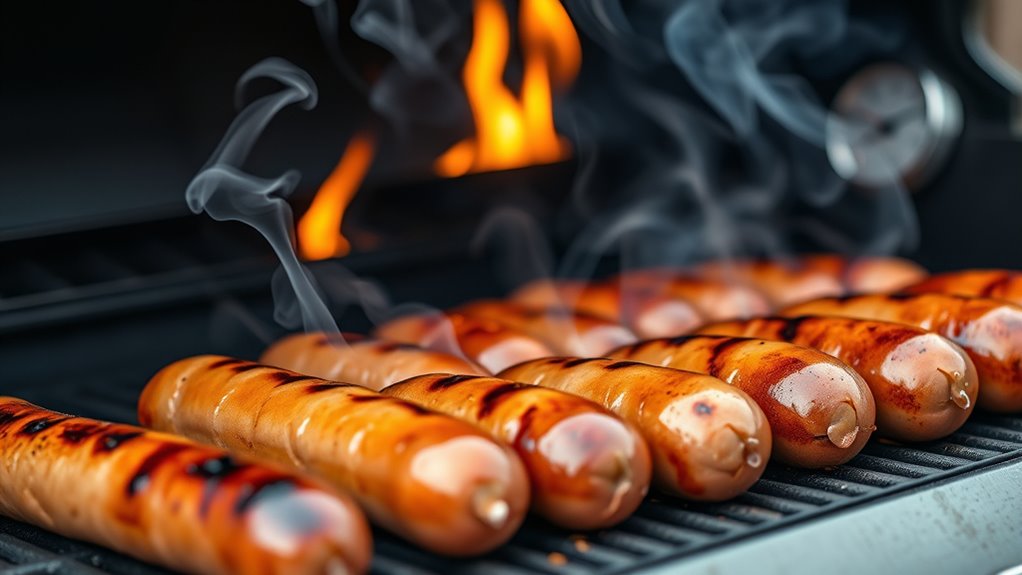
Adding a smoky flavor to your brats boosts their richness and makes them taste like they’ve been cooked over real wood fire. To get that smoky kick, try using wood pellets with a natural smoky profile.
You can also add flavor infusion techniques, like tossing wood chips directly into your pellet grill’s firebox or soaking them beforehand for a slower smoke release. Different wood types, such as hickory or apple, will give your brats unique smoky notes.
| Wood Type | Flavor Profile |
|---|---|
| Hickory | Bold, smoky |
| Apple | Mild, sweet |
| Mesquite | Intense, earthy |
| Cherry | Sweet, fruity |
| Pecan | Nutty, mild |
Experimenting with these woods can really enhance your brats’ taste and create a more authentic smoky flavor. This simple step will elevate your grilling and ensure mouthwatering results.
How Do I Know When My Brats Are Fully Cooked and Safe?
Wanna make sure your brats are fully cooked and safe to enjoy? The easiest way is to check their internal temperature — it should hit at least 160°F. If you’ve got a meat thermometer, just stick it in and take a peek.
You can also tell by looking and feeling. When they’re done, the meat will be firm, and you might notice a slight split in the casings. That’s a good sign they’re cooked through.
And don’t forget to let them rest for a few minutes before serving. Giving them a little time helps the juices settle, making each bite even tastier.
Internal Temperature Guidelines
Knowing when your brats are fully cooked depends on reaching the right internal temperature, which guarantees they’re safe to eat and properly tender. To ensure safety and flavor infusion, keep a close eye on the temperature. Use a reliable meat thermometer and check for an internal temperature of 160°F (71°C). Here’s what to keep in mind:
- Keep your pellet grill at 225-250°F for even cooking.
- Check multiple spots by inserting the thermometer into the thickest part of the brat for accuracy.
- Regularly clean your grill to prevent flare-ups, which can affect internal temperatures and flavor.
Following these tips helps you cook safely while keeping the flavor on point and your grill performing its best.
Visual and Texture Cues
You can often tell your brats are fully cooked by how they look and feel. Look for a firm, plump shape with a slight shine on the surface, which shows they’re cooked through.
The casings should be evenly browned and have a slight snap when you bite into them. Avoid skins that are overly charred or shriveled—that might mean they’re overcooked.
In terms of texture, the meat should feel firm but tender, not mushy or overly dry. Keeping your grill well-maintained helps ensure consistent heat, making these visual cues more reliable.
Different pellet types can affect heat distribution, so paying attention to these signs is key to avoiding under or overcooking.
Using these visual and texture cues along with checking the internal temperature will help make sure your brats are both safe and delicious.
Proper Resting Time
Once your brats reach the right visual and texture cues, giving them a proper rest guarantees they’re fully cooked and safe to eat. Resting time allows juices to redistribute, ensuring flavor retention and preventing dryness.
Typically, you should let your brats rest for about 5 minutes before serving. During this period:
- Check that the internal temperature has reached at least 160°F (71°C) for safety.
- Cover the brats loosely with foil to retain heat without trapping excess moisture.
- Avoid slicing immediately; letting them rest preserves juices and enhances flavor.
This brief rest makes sure your brats are safe, juicy, and flavorful when you bite into them. Proper resting time is key to a perfect, well-cooked brat.
Avoiding Common Mistakes When Grilling Brats
To guarantee your brats turn out juicy and flavorful, it’s essential to avoid common grilling mistakes. First, neglecting grilling safety can lead to flare-ups or uneven cooking, so keep a close eye on heat levels and use a thermometer to monitor internal temperatures.
Overcrowding the grill can cause inconsistent heat and hinder proper cooking, so give your brats space. Don’t forget to preheat the pellet grill properly—this ensures a stable temperature for better flavor.
Give your brats space on the grill and preheat properly for even cooking and rich, smoky flavor.
Avoid piercing the sausages with a fork, as this releases juices and dries out the meat. Rushing the process by cooking at too high a temperature can cause charring on the outside while leaving the inside undercooked.
Instead, maintain a steady, moderate temp to develop a smoky flavor while ensuring the brats cook evenly. Staying attentive and avoiding these mistakes guarantees delicious, safe, and flavorful results.
How to Keep Your Brats Juicy and Flavorful During Grilling
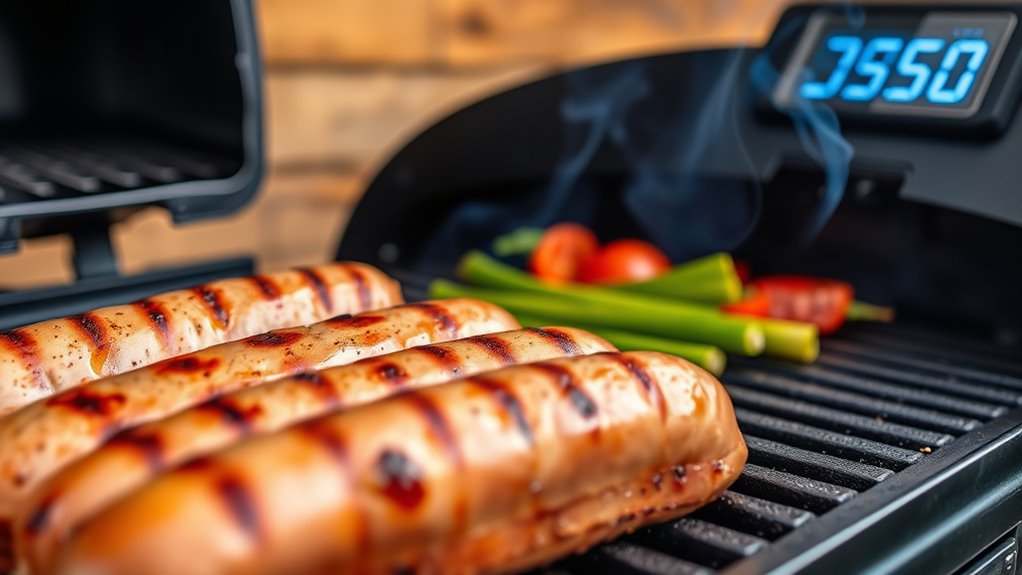
Keeping your brats juicy and flavorful during grilling depends on managing moisture loss and keeping the heat just right. Focus on infusing flavor and locking in juices for the best results.
Start by soaking your brats in a marinade or beer to add flavor and keep the meat moist. Then, cook at a steady, moderate temperature around 350°F so the fat and juices stay sealed inside.
Turn the brats often to avoid overexposing them to direct heat, which can dry them out. Wrapping them in foil during part of the cooking process helps trap moisture and keeps them juicy.
Also, avoid piercing the meat with a fork because that releases the flavorful juices. By following these tips, your brats will stay tender, flavorful, and juicy from first bite to last, making your grilling more enjoyable and your results consistently great.
Perfect Sides and Condiments for Serving Brats
Choosing the right sides and condiments can turn your bratwurst meal from good to unforgettable. Classic options like sauerkraut add a tangy crunch that pairs perfectly with the smoky flavor of grilled brats.
You might also consider caramelized onions or grilled peppers for extra sweetness and texture. When it comes to mustards, offering a variety like spicy Dijon, hearty yellow, or tangy beer mustard lets everyone customize their bite.
These condiments bring bold flavors that enhance the savory sausage. Serve your brats with crusty buns or freshly baked rolls to hold everything together comfortably.
For sides, crispy potato chips, coleslaw, or a simple green salad help balance the richness of the meat. Remember, keeping it simple and flavorful makes your sides and condiments elevate the main event without overpowering it.
This way, every bite will be satisfying and memorable.
Troubleshooting: Fixing Undercooked or Overcooked Brats
Even when you have the perfect sides and condiments ready, improper cooking can still throw off your bratwurst meal. If your brats are undercooked, they might be unsafe to eat or lack flavor. Overcooked brats can become dry and tough. To fix this, consider these steps:
Proper cooking ensures juicy, flavorful bratwurst—avoid undercooking or overcooking for the perfect bite.
- Adjust Grill Temp: If undercooked, increase the temperature slightly and cook longer, turning frequently. For overcooked brats, lower the heat to prevent further drying out.
- Use Marinade Options: Reheat over indirect heat with a marinade to add moisture and flavor, especially for overcooked sausages.
- Select the Right Bun Pairing: A softer bun can help compensate for slight dryness, while a sturdy bun can hold juicier, undercooked brats without falling apart.
Monitoring internal temperature helps prevent these issues, ensuring your brats are cooked perfectly every time.
FAQs About Cooking Brats on a Pellet Grill
Got questions about cooking brats on a pellet grill? You’re not alone! Whether you’re wondering what temperature to set for the best results or which pellet flavors will give your brats that extra delicious kick, I’ve got you covered. Knowing how long to cook them is also key—too short, and they might be undercooked; too long, and they could turn out dry. Let’s dive into some common questions so you can enjoy perfectly grilled brats every time and make your grilling experience smooth and fun.
Ideal Cooking Temperatures
To cook brats perfectly on a pellet grill, keeping the right temperature is key. The ideal range is between 350°F and 375°F, which helps them cook evenly without bursting.
At this temperature, you can explore different marinades to boost flavor without overcooking. Think about options like beer or apple cider vinegar for a tasty twist.
Don’t forget about the buns—they should be sturdy enough to hold all that juicy goodness without falling apart. Choosing the right bun really makes a difference in your overall experience.
Here are some quick tips:
- Keep the grill steady at 350°F–375°F for even cooking.
- Use marinades that match your flavor preference, like beer or vinegar.
- Pick buns that are strong enough to hold the juicy brats.
Best Pellet Flavors
Choosing the right pellet flavors can really boost the taste of your brats and match well with your marinades. For a savory, smoky flavor, hardwood pellets like hickory or mesquite are great—they add depth without overpowering the meat.
If you like a milder, sweeter taste, fruit woods like apple or cherry are perfect. They give a subtle sweetness that enhances the natural flavors of your brats. You can also try adding grill seasoning blends infused into your pellets for extra flavor complexity.
Cooking Time Tips
Cooking brats on a pellet grill takes patience and attention to timing to make sure they’re cooked through without drying out. To get perfect results, keep these tips in mind:
- Use proper seasoning techniques. Marinate or brine your brats beforehand for extra flavor and moisture.
- Keep the grill temperature steady around 350°F. This helps cook the brats evenly and prevents them from drying out.
- Make sure your grill stays clean. Regularly clean the grates to avoid flare-ups that can scorch the meat.
Timing depends on the size of your brats, but usually, they take about 20 to 25 minutes. Turn them occasionally for even cooking. Keep an eye on the internal temperature—aim for 160°F.
If you’re trying different pellet flavors, remember they can affect heat and flavor absorption. Adjust your cooking time accordingly for the best results.
Frequently Asked Questions
Can I Cook Frozen Brats on a Pellet Grill?
Yes, you can cook frozen brats on a pellet grill. Just keep the grill steady at 225-250°F, and cook the brats until they’re fully heated through, which takes about 30-40 minutes.
You might want to add marinade options or brat seasoning beforehand for extra flavor. Turning them occasionally helps ensure they cook evenly.
Should I Rotate Brats During Grilling for Even Cooking?
Yes, you should rotate brats during grilling to ensure even cooking. Turning them every few minutes helps prevent hot spots and promotes uniform heat distribution.
While grilling, you might want to consider marinade options like beer, apple cider, or spicy seasonings for extra flavor.
For serving, pair your grilled brats with sauerkraut, mustard, or fresh buns for a classic, delicious meal. Rotating guarantees perfectly cooked, flavorful brats every time.
What Wood Pellets Enhance Brat Flavor the Most?
You’re hitting the nail on the head by asking about wood pellets that improve brat flavor. Hickory and apple wood are top choices, offering rich, smoky notes and subtle sweetness that elevate the savory taste.
Maple and cherry also work well, adding a hint of sweetness. These wood types infuse your brats with robust flavor, making every bite more enjoyable.
Just remember, the right wood can turn good into unforgettable.
How Do I Prevent Brats From Bursting While Grilling?
To prevent brats from bursting, keep the grill temperature moderate, around 350°F, and avoid high heat. Use a gentle, consistent heat to cook the sausages evenly.
Prick the brats lightly with a fork or score the casing to let steam escape. This helps prevent pressure from building up inside the sausage.
Be careful not to overcook by monitoring the internal temperature. Applying your favorite brat seasoning evenly will also help you get juicy, perfectly cooked brats without any bursts.
Can I Cook Other Meats Simultaneously on the Pellet Grill?
Yes, you can cook different meats at the same time on your pellet grill. Unlike other types, pellet grills give you steady temperature control, making it easier to cook various meats together.
To ensure everything cooks evenly, marinate tougher cuts for added flavor and moisture. Keep delicate meats separate so they don’t overcook or dry out.
Use a meat thermometer to check for doneness, and adjust the heat as needed. This way, all your meats will turn out perfectly without overcooking or burning.
Conclusion
Grilling brats on a pellet grill is like orchestrating a flavorful symphony—perfectly timed and seasoned. By keeping the right temperature, adding smoky goodness, and knowing when they’re ready, you’ll serve juicy, delicious brats every time.
Keep an eye on your grill and don’t rush the process. A little patience goes a long way in achieving that perfect smoky flavor and tender texture.
With some practice, you’ll master the art of grilling brats on a pellet grill, making your cookout as memorable as a summer sunset.
When it comes to cooking brats on a pellet grill, maintaining the ideal temperature is key. Aim for around 225°F to 250°F for even cooking and that perfect smoky flavor.
Add wood pellets for extra smoky goodness, and let the brats cook slowly, turning occasionally for even heat.
You’ll know they’re done when they reach an internal temperature of 160°F and are nicely browned.
So, get your pellet grill ready, and enjoy the process of cooking flavorful brats that everyone will love.