7 Easy Steps to Smoke Ribs on a Pellet Grill
As an Amazon Associate, I earn from qualifying purchases. This post contains affiliate links. Which means I may earn a small commission when make a purchase through my links, at no additional cost to you.
Many barbecue enthusiasts dream of perfect, smoky ribs but often feel overwhelmed by the process or unsure where to start. If you’ve ever struggled to get that tender, flavorful result, you’re not alone.
Luckily, smoking ribs on a pellet grill is a straightforward way to achieve delicious, restaurant-quality results at home.
To smoke ribs on a pellet grill, start by cleaning your grill and filling the hopper with quality hardwood pellets. Choose fresh, well-marbled ribs, then season them with a flavorful dry rub or marinade.
Set the grill to around 225–250°F and maintain steady heat and smoke levels. Smoke the ribs until tender, check for doneness, then rest and slice for serving.
For detailed tips on each step, continue exploring how to perfect your smoked ribs.
Key Takeaways
- Prepare your pellet grill by giving it a good clean, filling the hopper with quality hardwood pellets, and calibrating the temperature probe so everything’s accurate.
- Choose fresh, well-marbled ribs and coat them generously with a dry rub or marinade to boost the flavor.
- Set your grill temperature between 225°F and 250°F, keeping a steady heat and smoke level throughout the cooking process.
- Keep an eye on the ribs for tenderness and check the internal temperature, aiming for 195–203°F to ensure they’re juicy and perfectly cooked.
- Let the ribs rest for about 10–15 minutes before slicing. Serve with your favorite sides to really bring out the flavor and presentation.
Getting Your Pellet Grill Ready for Smoking Ribs
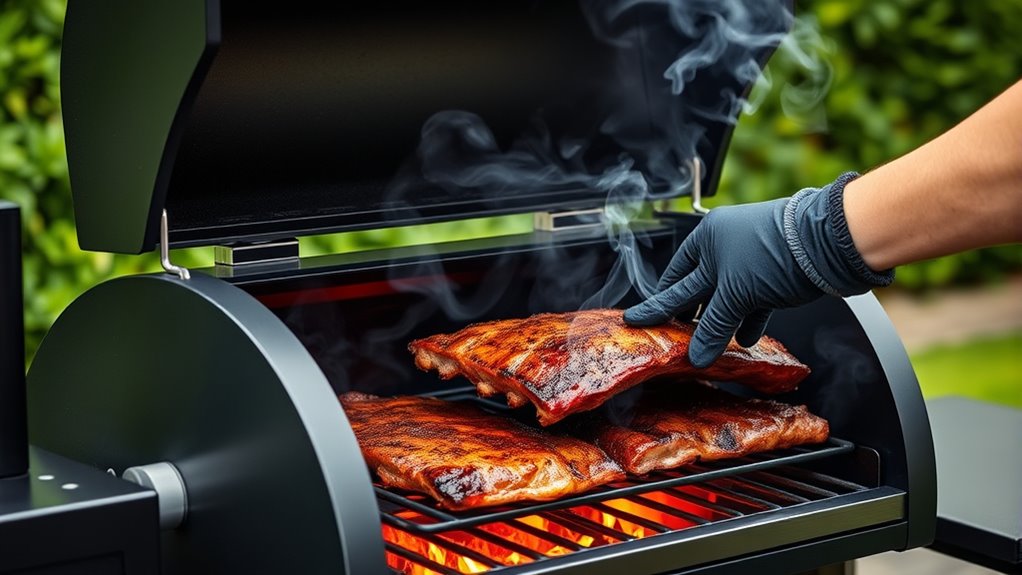
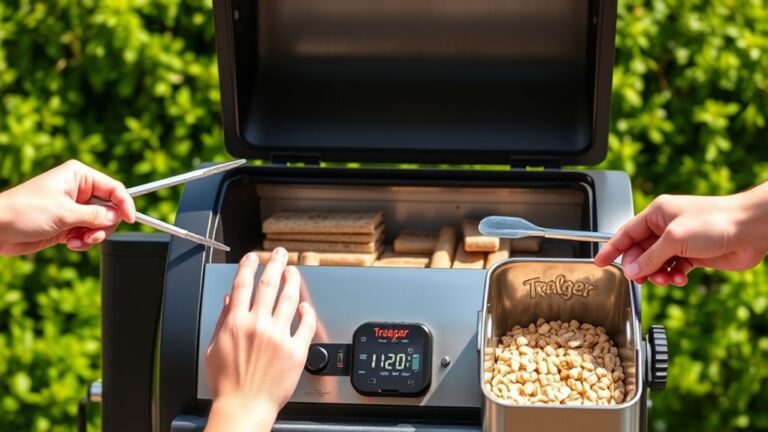
Before you start smoking ribs, it’s essential to prepare your pellet grill properly. Keeping your grill in good shape ensures it works at its best, helping you get tender, flavorful ribs.
Begin by cleaning out ash and residue from previous cooks, and make sure the grease tray is clean and working correctly. Proper maintenance helps prevent flare-ups and keeps the heat steady.
Clean out ash and residue, and ensure your grease tray is spotless and functioning properly.
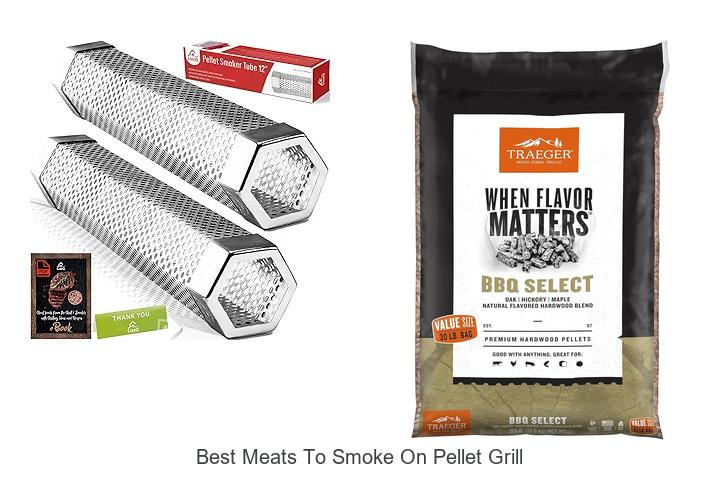
Next, choose your fuel wisely. Use high-quality hardwood pellets like hickory or applewood to enhance the flavor. Avoid cheap or mixed pellets, which can create extra ash or uneven heat.
Fill the hopper with enough pellets to last the entire cook so you won’t be interrupted. Also, check that your grill’s temperature probe is accurate and properly calibrated.
Preheating your pellet grill to the right smoking temperature is crucial. It allows the grill to stabilize so you’re ready to place your ribs inside with confidence.
These steps lay a solid foundation for achieving delicious, perfectly smoked ribs.
Choosing the Best Ribs and Seasonings for Smoking
Picking the best ribs and seasonings really makes all the difference when you’re smoking. You want to go for high-quality cuts that stay tender and juicy through the whole process. It’s worth investing a little extra in good ribs—trust me, it shows in the end result.
And don’t forget about the seasonings! They’re what bring everything together by complementing the smoky flavor. A good rub or marinade can turn plain ribs into something truly mouthwatering, so experiment with different spices and herbs until you find what works best for you.
Selecting Quality Ribs
How do you guarantee your smoked ribs turn out tender and flavorful? It all starts with selecting quality ribs. Your meat choice really impacts the final result, so pick wisely.
Look for ribs that are moist, firm, and have a healthy layer of fat. These are key signs of good quality meat. Here are four tips to help you choose the best ribs.
- Inspect for freshness—bright color and a clean smell.
- Choose meaty racks with minimal excess fat.
- Opt for USDA Prime or Choice grades for better tenderness.
- Avoid discolored or slimy ribs—they’re not worth the risk.
Picking the right ribs makes all the difference in creating juicy, flavorful smoked results.
Enhancing Flavor With Seasonings
To get the most flavor out of your smoked ribs, selecting the right seasonings is just as important as choosing quality meat. Spice blends are key—pick a mix that complements the smoky profile you want, like paprika, cumin, and garlic powder.
Experiment with marinade techniques to infuse deeper flavors. A simple marinade with apple cider vinegar, honey, and herbs can tenderize and add zest. Apply the spice blend evenly, and consider marinating ribs for a few hours or overnight to boost the taste.
Setting the Perfect Temperature and Smoke Level
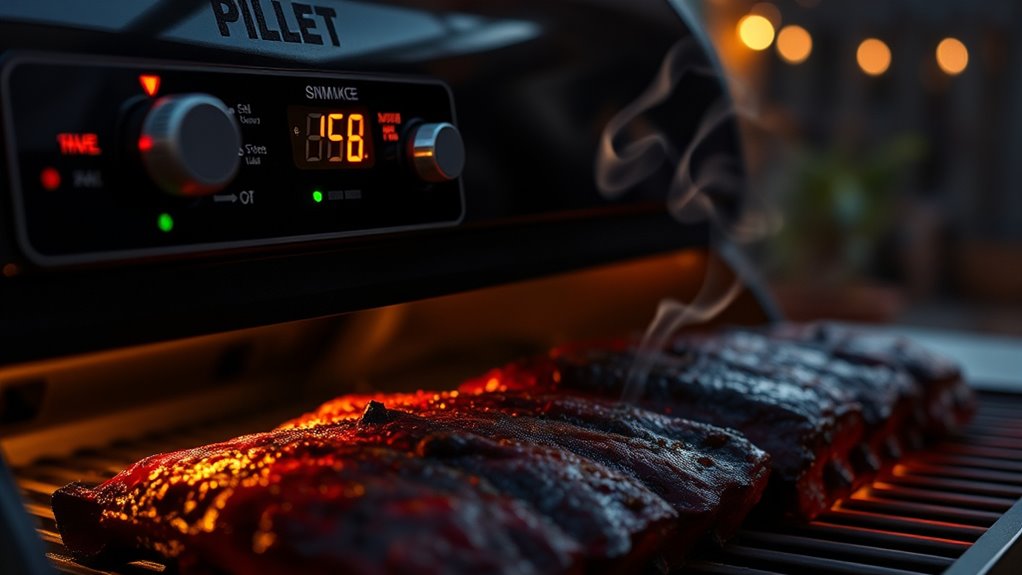
Getting the temperature just right is essential for perfectly smoked ribs, and controlling the smoke level ensures they develop that rich, smoky flavor without overpowering the meat. When you dial in the right temperature, around 225°F to 250°F, you allow the ribs to cook slowly and evenly, maximizing flavor infusion. Adjusting the smoke density is just as crucial—too much can create bitterness, while too little might lack that signature smoky aroma.
Consider these key steps: Maintain a steady temperature to prevent fluctuations that can dry out the meat. Use the pellet grill’s settings to control smoke output, aiming for a mild, consistent smoke. Keep the lid closed to preserve heat and smoke, ensuring even flavor infusion.
Finally, monitor your grill’s temperature and smoke levels regularly for the perfect balance of smoke density and heat. This approach guarantees tender, flavorful ribs with that ideal smoky finish.
Applying Rubs and Marinades for Maximum Flavor
Applying rubs and marinades is a crucial step in maximizing the flavor of your smoked ribs, as they infuse the meat with bold, complementary tastes. Start with a well-balanced rub that combines spices like paprika, garlic powder, and brown sugar for a flavorful crust.
When choosing flavor combinations, consider pairing sweet, smoky, and spicy elements to enhance the meat’s natural richness. Marinades can also boost moisture and add depth; use acidic ingredients like apple cider vinegar or citrus juice to tenderize and brighten flavors.
Apply rubs generously, pressing them into the meat for even coverage. Marinate the ribs for several hours or overnight for the best infusion. Remember, the goal is to layer flavors without overpowering the meat’s natural taste.
Smoking Ribs Step-by-Step
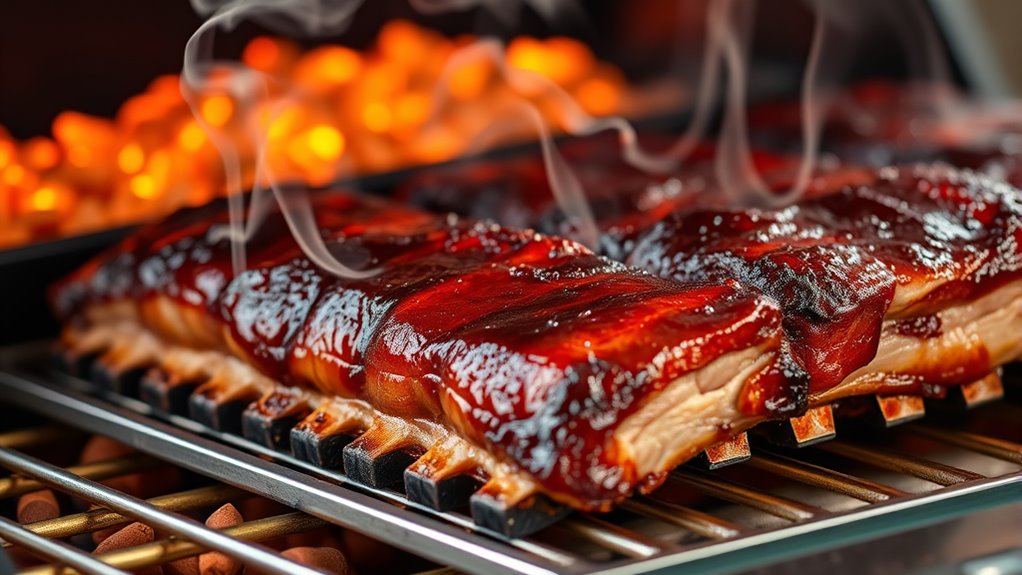
Sure! Here’s a more conversational version of your text:
When you’re smoking ribs, the first thing you want to do is prepare the meat just right. Make sure to season it well and get it ready for the smoker. Then, set up your grill so it’s working at the perfect temperature.
While you’re smoking, it’s important to keep an eye on everything—watch the heat and the smoke levels. That way, you’ll make sure your ribs come out tender, packed with flavor, and smoked just right.
Preparing the Ribs
Before you start smoking, it’s essential to prepare your ribs properly to make sure they turn out tender and flavorful. Proper preparation sets the stage for impressive cooking techniques and a stunning rib presentation.
First, remove the membrane for better smoke penetration and tenderness. Next, season your ribs generously with a dry rub that amplifies flavor and creates a flavorful crust.
Trim excess fat to prevent flare-ups and improve appearance. Finally, let the ribs sit with the rub for at least an hour to deepen the flavor.
These steps will elevate your confidence and ensure your ribs look mouthwatering while delivering unbeatable taste. With this foundation, your smoked ribs will impress both in appearance and flavor, making every bite a true delight.
Setting Up the Grill
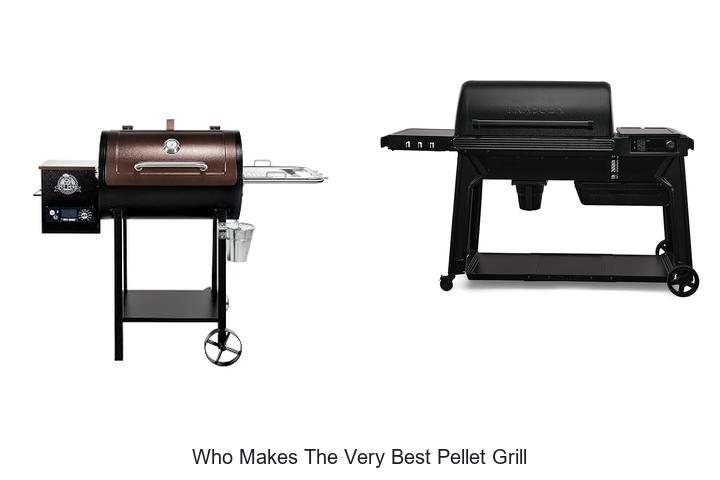
Start by choosing the right pellet grill for smoking ribs, making sure it has consistent temperature control and enough capacity for what you need. Proper setup begins with clean, well-maintained equipment. Regular grill maintenance helps prevent issues during smoking.
Next, select quality fuel pellets that match your flavor preferences and provide steady heat. Fill the hopper with your chosen pellets, then check the grill’s temperature accuracy before firing it up. Make sure the grates are clean and properly assembled.
Adjust vents if your grill has them to help maintain a stable temperature. Proper setup sets the foundation for successful smoking, so take your time to get everything in place. This preparation ensures your ribs cook evenly and develop that delicious smoky flavor.
Monitoring the Smoke
How can you guarantee your ribs develop that perfect smoky flavor? It all comes down to monitoring the smoke. Keep an eye on the smoke density—too much can make the ribs bitter, while too little won’t give you that rich flavor. Maintain a steady smoke duration, ensuring you’re producing a consistent, thin blue smoke throughout the process.
Here are four key tips:
- Check your smoke regularly—aim for a steady, light haze.
- Adjust airflow to control smoke density and prevent excess smoke.
- Use a reliable thermometer to track smoke duration.
- Refill wood pellets before smoke dissipates to keep a continuous smoky environment.
Staying attentive guarantees flavorful, tender ribs with that irresistible smoky aroma.
Checking for Doneness and Achieving Juicy Ribs
To guarantee your ribs are perfectly cooked and juicy, checking for doneness involves a mix of visual cues, tenderness tests, and internal temperature readings. You want to keep that meat tender and juicy, so pay attention to these signs.
Look for a deep mahogany color and a nice bark on the exterior. That rich, caramelized look usually means they’re close to perfect.
Gently probe the meat with a toothpick or a probe; it should feel tender but not mushy. That’s a good sign of doneness.
Finally, use a thermometer and check the internal temp in the thickest part. Aim for 195 to 203°F for the best tenderness.
Resting and Serving Your Smoked Ribs
Once your ribs reach the perfect level of tenderness, it’s important to give them a rest before slicing. Resting allows the juices to redistribute, making sure each bite stays moist and flavorful. After resting for about 10-15 minutes, you’re ready to serve.
Rest your ribs for 10-15 minutes to lock in juices and ensure maximum flavor before slicing.
Use these tips to make your presentation irresistible. First, slice with confidence—follow your plating techniques to create clean, appealing cuts. Next, choose complementary side dishes like coleslaw or baked beans to enhance the flavors.
Arrange your ribs thoughtfully, either stacking or fanning them out for a visually stunning plate. Finally, add finishing touches such as a drizzle of sauce or fresh herbs to elevate your presentation.
Resting your ribs guarantees maximum juiciness. Combining this with thoughtful plating and side dishes turns a great meal into a memorable feast. Enjoy your perfectly smoked ribs with family and friends, knowing you’ve mastered the art of serving.
Frequently Asked Questions
How Long Do Smoked Ribs Typically Take on a Pellet Grill?
On a pellet grill, smoked ribs usually take about 4 to 6 hours.
For example, imagine seasoning your ribs with a flavorful rub and using marinade techniques to boost tenderness.
During this time, keep the temperature steady and check for doneness.
Proper seasoning and patience will give you juicy, tender results.
What Types of Wood Pellets Are Best for Smoking Ribs?
For smoking ribs, you want wood pellets that enhance the meat’s flavor. Hickory and apple wood pellets are popular choices because they give a balanced, smoky taste that works really well with ribs.
It’s a good idea to try different pellet types to find what you like best. Fruit woods tend to add a sweeter aroma, while hickory gives a richer, more robust flavor.
Can I Smoke Ribs Overnight on a Pellet Grill?
You can smoke ribs overnight on a pellet grill, but it’s like guarding a treasure. Patience is key.
Set your grill to a low and slow cooking temperature, usually around 225°F, to guarantee perfect rib tenderness.
Keep an eye on the smoke and make sure your pellets are topped up. This method allows the ribs to absorb smoky goodness overnight.
The result is tender, flavorful meat that’s worth the wait.
How Do I Prevent Ribs From Drying Out During Smoking?
To prevent ribs from drying out, you should use marinade techniques like injecting or marinating the meat beforehand to keep it moist. During smoking, wrapping the ribs in foil or butcher paper after a few hours helps trap moisture.
Additionally, letting the ribs sit wrapped in foil for 10-15 minutes before serving helps retain the juices. These steps ensure your ribs stay tender, flavorful, and juicy without drying out.
Is It Necessary to Wrap Ribs During the Smoking Process?
Think of wrapping ribs as sealing a treasure chest, preserving their juicy secrets. It’s not always necessary, but wrapping can boost flavor infusion and improve smoke penetration by trapping heat and moisture.
If you want tender, fall-off-the-bone ribs, wrapping during the smoking process helps lock in moisture and intensify flavors. However, for a crisper bark, you might skip it, trusting your grill’s natural smoky magic.
Conclusion
Now that you’re armed with these simple steps, your ribs are about to reach new heights of smoky perfection.
But don’t get too comfortable—there’s a secret to truly unforgettable ribs that could take your barbecue game to the next level.
Curious? Keep experimenting with flavors, timing, and techniques.
The best part? Your next batch might just be your masterpiece.
Ready to access the ultimate ribs? The next smoky adventure awaits—dive in and see what’s possible with smoking ribs on a pellet grill!