10 Steps to Perfectly Grill Shrimp on a Gas Grill
Are you tired of grilling shrimp only to end up with overcooked, bland results? You’re not alone—many people struggle to get that perfect sear and tender texture they crave. Luckily, mastering the art of grilling shrimp on a gas grill isn’t as hard as you might think.
To perfectly grill shrimp on your gas grill, start by selecting large, responsibly sourced shrimp and prepping them by cleaning, deveining, and marinating with your favorite flavorful mix.
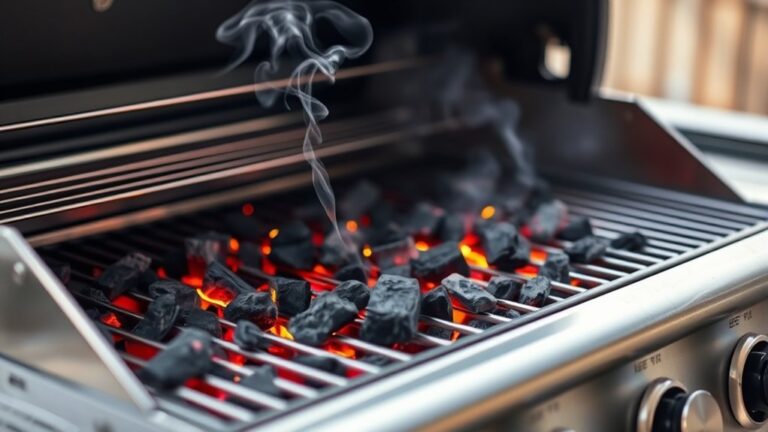
Preheat your grill to around 400°F, clean the grates, and set the heat to high for a quick sear.
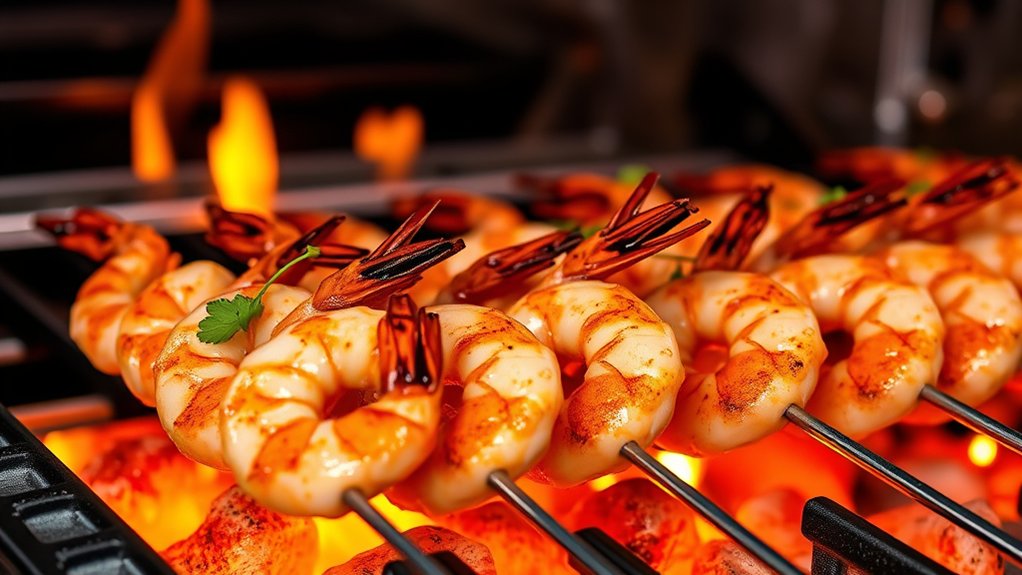
Thread shrimp onto skewers, then grill for about 2 minutes per side until they turn pink and firm.
For expert tips, continue exploring how to master every step for mouthwatering results.
Key Takeaways
- Preheat your gas grill to about 450°F and give the grates a good cleaning.
- Prepare and marinate your shrimp, using larger, shell-on or peeled types for the best results.
- Skewer the shrimp evenly, leaving enough space for proper heat circulation, and lightly oil them to prevent sticking.
- Grill the shrimp over direct high heat for 2-3 minutes per side until they turn opaque and are firm.
- Take them off promptly, add your favorite garnish, and serve right away to keep them tender and flavorful.
How to Prepare Your Shrimp for Grilling
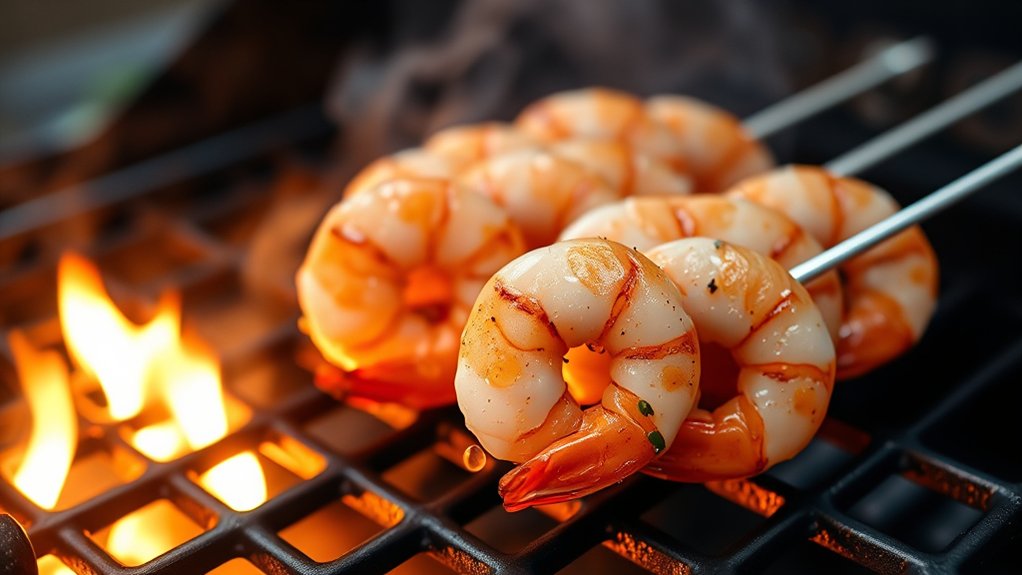
Wondering how to get your shrimp ready for the grill? Start by cleaning and deveining your shrimp if needed. Rinse them under cold water and pat dry with paper towels. Proper preparation guarantees safe cooking and helps preserve seafood nutrition, which is important for a healthy diet.
Marinate the shrimp briefly in a mixture of olive oil, lemon juice, garlic, and spices for added flavor. Be careful not to over-marinate, as acids can break down the seafood’s texture. To prevent sticking, thread the shrimp onto skewers or use a grilling basket.
Always keep raw shrimp refrigerated until you’re ready to cook, and wash your hands thoroughly afterward to prevent cross-contamination. Making sure the shrimp are evenly sized helps them cook uniformly.
Preparing your shrimp properly not only ensures safety but also boosts their natural seafood nutrition, making every bite delicious and healthy.
Choosing the Best Shrimp for Grilling
When you’re picking out shrimp for grilling, it’s good to think about whether fresh or frozen is better for what you need. Honestly, both can work, but fresh shrimp tend to have a more vibrant flavor, while frozen can be more convenient and just as tasty if stored properly.
Size and thickness really matter here. Larger shrimp, like those jumbo or king-sized, tend to hold up better on the grill and cook more evenly. Smaller ones can overcook quickly or fall apart, so keep that in mind if you’re aiming for a perfect bite.
And then, there’s the choice between shell-on and peeled shrimp. Shell-on adds extra flavor and helps keep the shrimp juicy while grilling, but peeled can be easier to eat and quicker to prepare. Think about what’s more important for your meal—flavor or convenience—and go from there.
Fresh vs Frozen Shrimp
Choosing the right shrimp for grilling starts with deciding between fresh and frozen. Fresh shrimp often tastes better but can be less sustainable if sourced from poor shrimp farming practices. Frozen shrimp, on the other hand, can preserve flavor and quality, especially if flash-frozen shortly after harvest.
To make an informed choice:
- Prioritize shrimp from sources with transparent, sustainable seafood practices.
- Look for certifications that guarantee responsible shrimp farming to support environmental health.
- Consider your convenience—frozen shrimp are available year-round and easier to store.
Both options can be eco-friendly if you select responsibly farmed seafood. Ultimately, your choice depends on freshness, convenience, and supporting sustainable seafood practices.
Size and Thickness Matters
Selecting the right shrimp size and thickness is key to perfectly grilled results. For even cooking, go for medium to large shrimp, like 16-20 count per pound.
Thicker shrimp, about 1/4 inch or more, hold up better on the grill and are less likely to dry out. Smaller or thinner shrimp cook too fast and can turn rubbery, so they’re not ideal for direct grilling.
Your choice also affects how you cook them. Thicker shrimp need a little longer or indirect heat to cook evenly.
Picking the right seafood ensures your shrimp stay tender and flavorful without overcooking. Paying attention to size and thickness helps you master grilling techniques and guarantees a restaurant-quality dish every time.
Shell-On or Peeled
Deciding whether to grill shell-on or peeled shrimp depends on what you value most: flavor, convenience, or presentation. Removing the shell impacts both flavor and how easy it is to eat, while the size of the prawn affects how long it takes to cook.
If you want more flavor and a dramatic look, go shell-on. It also helps protect the meat during grilling. On the other hand, peeled shrimp are quicker to prepare and easier to eat, making them great for busy nights.
Keep these points in mind: Large prawns, like 21-30 count, are perfect for shell-on grilling because they hold up well and look impressive. Smaller shrimp, such as 31-50 count, cook faster and are easier to peel—ideal for quick meals.
Shell-on shrimp require more prep but offer richer flavor. Peeled shrimp save time and reduce mess. Choose based on whether you want a more flavorful, striking presentation or a faster, simpler option.
Marinating and Seasoning Your Shrimp for Maximum Flavor
Want to make your shrimp burst with flavor? Try using marinades that really bring out their natural taste, like citrus, garlic, or spicy blends. Don’t be afraid to get creative with herbs and seasonings—you can mix and match to create your own signature flavor profile.
And here’s a tip: proper marinating isn’t just about adding flavor; it also helps keep your shrimp juicy and tender when you grill them. So, take your time to marinate, and enjoy that delicious, flavorful bite every time!
Optimal Marinade Options
Choosing the right marinade can really boost your shrimp’s flavor and keep them juicy on the grill. Focus on ingredients that go well with seafood, like citrus, garlic, and herbs.
To create memorable flavor combos, check out these options:
- Citrus and Herb: Lemon juice, garlic, parsley, and olive oil for a fresh zesty taste.
- Spicy and Savory: Chili flakes, soy sauce, ginger, and sesame oil for some heat and depth.
- Smoky and Sweet: Paprika, honey, smoked paprika, and lime for a balanced, rich flavor.
These marinades infuse your shrimp with vibrant flavors while keeping them tender.
Feel free to experiment with these combinations to find what you love best, and make sure your grilled shrimp are bursting with deliciousness.
Enhancing Flavor Profiles
Building on the flavorful marinades you’ve explored, enhancing the overall taste of your shrimp involves careful seasoning and marinating techniques that maximize their natural sweetness and succulence. To boost flavor infusions, experiment with diverse seasoning blends that complement seafood. Proper seasoning amplifies the shrimp’s natural flavor and creates a delicious crust when grilled.
Use the table below to investigate popular flavor infusions and seasoning blends:
| Flavor Infusions | Seasoning Blends |
|---|---|
| Garlic-Lemon | Cajun Spice |
| Ginger-Soy | Herb Blend (Parsley, Basil) |
| Chili-Lime | Smoked Paprika |
These options help you customize your shrimp for maximum flavor, making every bite irresistible.
Setting Up Your Gas Grill for Perfect Results
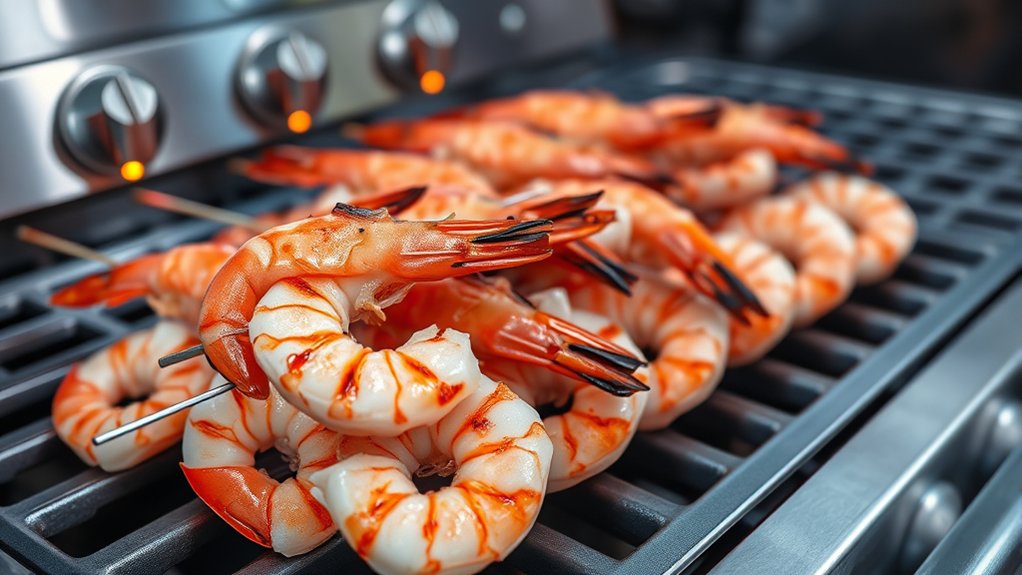
Before you start grilling, make sure your gas grill is set up correctly to get the best results. Proper setup improves safety and helps you save fuel, which saves you time and money.
Check for gas leaks by applying a soapy water solution to hoses and connections. Bubbles mean there’s a leak that needs fixing before you proceed.
Clean the grates thoroughly to prevent flare-ups and ensure even heat distribution. This will help your food cook evenly and safely.
Preheat the grill with the lid closed for 10-15 minutes. This allows the grill to reach an even temperature before you start cooking.
Following these steps ensures your grill operates safely and reduces risks. It also helps maintain consistent heat, which is key for perfectly grilled shrimp.
A well-maintained grill uses less fuel and lowers the chance of accidents. Taking these precautions now sets you up for safer, more efficient, and successful grilling.
How to Achieve the Ideal Grill Temperature for Shrimp
Achieving the right grill temperature is key to perfectly cooked shrimp. If the heat is off, they can quickly turn rubbery or stay undercooked.
To keep your grill safe and avoid foodborne illnesses, aim for about 400°F (204°C). Use a thermometer to keep an eye on the temperature.
High heat creates a quick sear that locks in flavor and nutrition. It also helps prevent overcooking, so your shrimp stay tender.
Always preheat your grill for at least 10-15 minutes before you start cooking. This ensures it’s hot enough for a good sear.
Adjust the burners as needed to keep the temperature steady. Watch out for flare-ups that can char your shrimp.
Controlling the temperature properly means juicy, tender shrimp without losing nutrients or risking safety issues. Remember, shrimp cook fast, so stay attentive.
Skewering and Handling Shrimp on the Grill
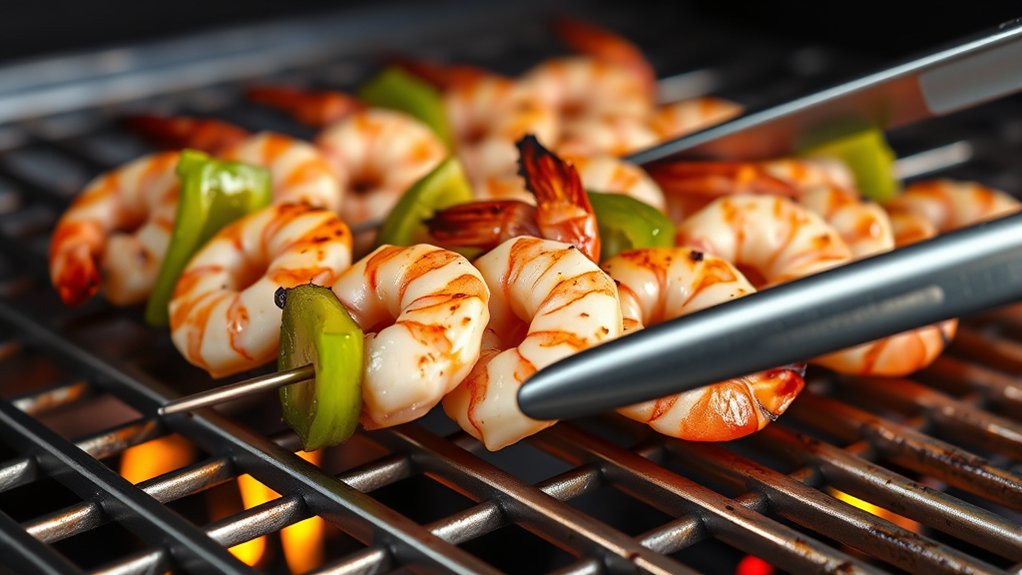
Handling shrimp on the grill requires careful skewering to guarantee even cooking and easy flipping. Using proper skewering techniques keeps the shrimp secure and prevents tearing. To do this effectively:
Proper skewering ensures even cooking and easy flipping of shrimp on the grill.
- Thread shrimp onto skewers through the tail and head, avoiding piercing the flesh too deeply.
- Space shrimp evenly to allow heat circulation and prevent sticking.
- Soak wooden skewers beforehand to prevent burning and ensure stability.
Handling tips are just as important. Always lift skewers with tongs, not your hands, to avoid burns. Turn the shrimp gently to keep them intact and cook uniformly. Use a light coating of oil on the shrimp and skewers to reduce sticking.
Tips for Getting a Perfect Char on Your Shrimp
Getting a perfect char on your shrimp starts with high heat and proper timing. Use direct, high heat to quickly sear the shrimp, creating those desirable grill marks and a smoky flavor. To do this, preheat your gas grill thoroughly, letting it reach around 450-500°F.
When cooking, avoid moving the shrimp too much; instead, let them sit undisturbed for about 2 minutes per side. This helps the sugars and proteins caramelize, giving you a beautiful char.
Incorporate smart cooking techniques like marinating your shrimp beforehand to boost flavor and promote even charring. Flavor combos like garlic, lemon, and herbs or a spicy marinade add depth and interest.
Knowing When Your Shrimp Are Done and How to Avoid Overcooking
Once you’ve achieved that perfect char, it’s important to recognize when your shrimp are just right. Overcooking can ruin their delicate texture and flavor.
To avoid this, pay attention to the cooking temperature—shrimp cook quickly, usually around 120°F to 130°F internal temperature. Here are key signs your shrimp are done:
- They turn opaque and pink all over.
- The flesh firms up but remains moist.
- They curl into a loose C-shape, not tight O.
Use a meat thermometer for precise doneness, ensuring you hit the right temperature without overcooking. Remember, residual heat will continue to cook the shrimp after removing them from the grill.
Proper timing preserves their tenderness and flavor, making every bite delightful. Keeping a close eye prevents drying out, so your shrimp stay juicy and flavorful, maximizing that flavor enhancement you’re aiming for.
Removing and Serving Your Grilled Shrimp With Confidence
After removing your shrimp from the grill, serve them promptly to enjoy their best texture and flavor. Present your shrimp attractively, paying attention to how they look on the plate. Arrange them neatly on a platter or in a bowl, garnished with fresh herbs, lemon wedges, or colorful vegetables to make them more appealing.
When serving, remember shrimp etiquette: use tongs or a fork to handle them, avoiding direct hand contact. This shows respect for your guests and keeps things proper. Be confident in your presentation; neatly arranged shrimp with appealing garnishes elevate the overall dining experience.
If you’re serving family-style, consider dividing the shrimp into smaller portions for easier eating. Serve immediately to keep them tender and flavorful. A polished, confident presentation not only impresses your guests but also shows your attention to detail and good shrimp etiquette.
How to Clean and Maintain Your Grill After Cooking Shrimp
Because shrimp can leave behind bits of shell and residue, it’s important to clean your grill promptly after cooking. Proper grill maintenance keeps your grill in top shape and helps it last longer. Use these simple cleaning tips to keep your grill in great condition.
Start by scraping the grates with a wire brush while the grill is still warm. This helps remove any stuck-on debris easily. Then, wipe down the surfaces with a damp cloth or sponge, using a mild cleaner if needed.
Scrape warm grates with a wire brush, then wipe with a damp cloth for a clean, ready-to-cook surface.
Don’t forget to empty the drip tray regularly. This prevents grease build-up, which can cause flare-ups and affect the flavor of your food. Regular cleaning prevents residue buildup that could impact future cookouts.
Keeping up with these steps also improves heat distribution and reduces corrosion over time. Regular maintenance not only keeps your grill hygienic but also ensures your shrimp and other foods taste their best every time.
Frequently Asked Questions
Can I Grill Frozen Shrimp Directly on the Gas Grill?
You can grill frozen shrimp directly on a gas grill, but it’s not ideal. For the best results, it’s better to thaw them first to ensure even cooking and avoid flare-ups.
If you decide to grill frozen shrimp, be sure to use proper techniques like brushing them with oil and keeping a close eye on the heat. Frozen shrimp tend to release more water, so you’ll need to adjust your grilling time to prevent overcooking.
What Are Alternative Methods if I Don’T Have Skewers?
Imagine your shrimp as tiny boats needing a dock; if you lack skewers, try skewer alternatives like aluminum foil or grill baskets. You could also wrap shrimp in banana leaves or foil packets for easy handling.
I once wrapped shrimp in bacon for a smoky twist, which worked beautifully. These methods keep your shrimp secure and flavorful, ensuring you still get perfectly grilled, juicy bites without skewers.
How Do I Prevent Shrimp From Sticking to the Grill?
To prevent shrimp from sticking to the grill, oil the grill grates or marinate your shrimp beforehand with a marinade that includes oil.
Use a shrimp seasoning blend to boost flavor and make sure the shrimp are evenly coated.
Ensure the grill is properly preheated and cleaned before cooking.
This helps the shrimp release easily and stay intact, giving you perfectly grilled, flavorful results every time.
What Side Dishes Pair Best With Grilled Shrimp?
You’ll love pairing grilled shrimp with vibrant seafood salads or zesty citrus side dishes. These options complement the smoky, savory flavors of the shrimp and add freshness to your meal.
Try a tangy grapefruit and avocado salad or a light cucumber and dill salad for seafood. Citrus-infused sides like orange or lemon slices brighten the plate and amplify the seafood’s natural sweetness.
This makes your meal perfectly balanced and delightful.
How Long Can I Store Leftover Grilled Shrimp Safely?
It’s a coincidence that your leftover grilled shrimp’s safety depends on proper storage. You should consume leftovers within 3 to 4 days for maximum food safety.
Store them in an airtight container in the refrigerator, and avoid leaving them out at room temperature for more than two hours.
Follow these storage tips to keep your shrimp fresh and safe, ensuring they’re enjoyable even days later.
Conclusion
Grilling shrimp isn’t just about technique; it’s about creating moments to savor. When you master these steps, you’ll find that perfect, flavorful shrimp can turn an ordinary meal into a memorable experience. Sometimes, the smallest efforts—like a well-seasoned marinade or the right heat—make the biggest difference.
So, enjoy the process, trust your instincts, and remember that the best bites often come from simple, intentional choices. With these tips, your grilled shrimp will always be a highlight of any meal.