How Does a Wood Pellet Grill Work?
Cooking on a grill can sometimes feel unpredictable, leaving you frustrated with uneven heat or smoky flavors that don’t quite hit the mark. If you’ve ever wished for a more precise, hassle-free way to get that perfect smoky taste, you’re not alone. Many people struggle with controlling heat and flavor, but a wood pellet grill might be just what you need.
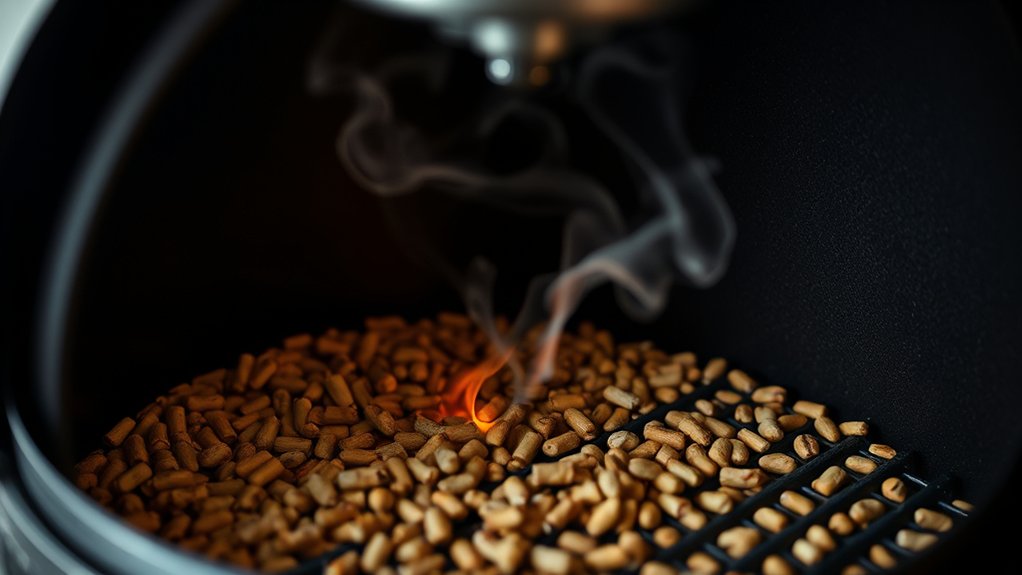
A wood pellet grill works by automatically feeding wood pellets from the hopper into a firepot using an auger. An electric igniter sparks to start the combustion, creating heat and smoky flavor.
A fan circulates air to maintain consistent temperatures and promote even smoke production.
The digital control panel helps you set and adjust the heat precisely. If you want to understand how all these parts work together for perfect grilling, keep exploring.
Key Takeaways
Pellets are stored in the hopper and fed into the firepot by an auger that’s controlled automatically.
An electric igniter sparks to ignite the pellets, producing heat and aromatic smoke.
A fan circulates air, regulating oxygen flow and keeping the temperature and smoke steady.
The digital control panel monitors and adjusts the temperature by controlling pellet feed and fan speed.
Regular cleaning and proper pellet storage help keep your grill performing well and ensure consistent flavor.
How Does a Wood Pellet Grill Ignite and Start Cooking?
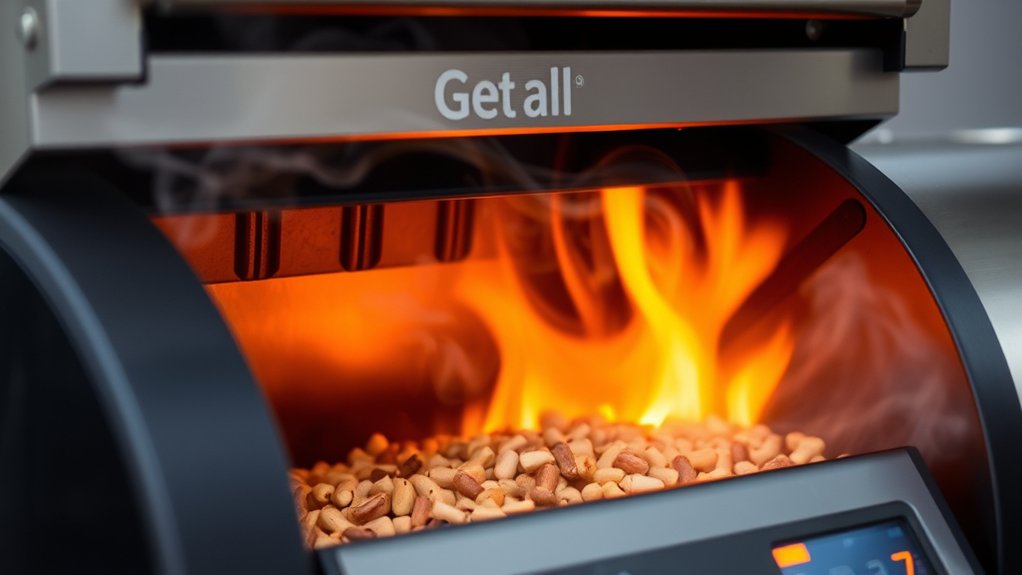
When you turn on a wood pellet grill, it starts the ignition process automatically. The control system pulls pellets from the hopper and feeds them into the firepot.
An electric igniter heats up, igniting the pellets to create a steady flame. As they burn, the grill’s fan circulates air to keep the temperature steady and ensure proper combustion.
An electric igniter sparks the pellets, while the fan circulates air to maintain steady, even heat.
You can set your desired temperature, and the grill adjusts how fast it feeds pellets to maintain that heat. Regular cleaning is important to keep everything running smoothly—debris and ash from previous uses can block airflow or clog parts.
Proper maintenance helps ensure reliable ignition and optimal performance. The pellet hopper and firepot are designed to deliver fuel efficiently, making startup easy.
Once the pellets are burning and the temperature stabilizes, you’re ready to start cooking. This automated system makes grilling simpler, so you can focus on your food instead of managing the fire.
Why Hardwood Pellets Are Essential for Flavor and Performance
Have you ever wondered why hardwood pellets are the preferred fuel for wood pellet grills? The answer lies in their ability to deliver superior flavor and consistent performance.
Different wood pellet types, like hickory, apple, or oak, each add unique smoky notes that boost your food’s taste. Hardwood pellets burn cleaner and hotter, giving you better temperature control and smoke output—both key for flavorful grilling.
Proper pellet storage is also important. Keeping pellets dry and airtight stops moisture from getting in, which can cause uneven burning and reduce flavor quality.
Using high-quality hardwood pellets ensures your grill stays at steady heat and produces a rich, smoky aroma that gas or charcoal can’t match. By choosing the right wood pellet types and storing them well, you’ll get great flavor and reliable performance every time.
This makes every cookout a flavorful success.
How the Auger and Firepot Feed the Fire in a Pellet Grill
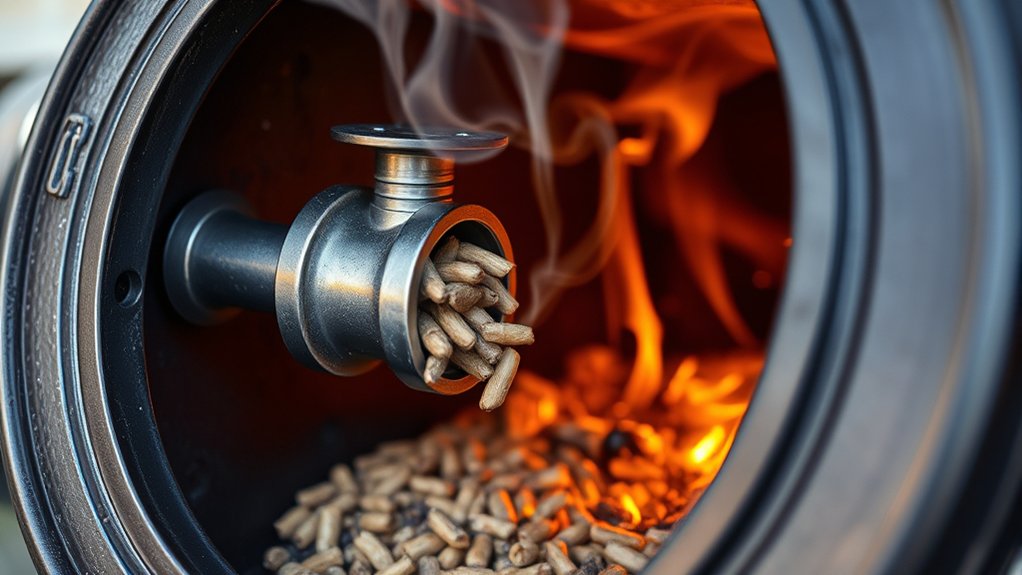
The process of feeding the fire in a pellet grill depends on two main parts: the auger and the firepot. The auger keeps moving pellets from the hopper into the firepot, making sure there’s always fuel.
As the pellets drop into the firepot, they ignite and produce heat and smoke. The grill’s electronic controller watches the temperature and adjusts the auger’s speed to keep things steady.
Regular cleaning is important to remove ash buildup and prevent clogs, which helps the auger and firepot work smoothly. You also want to check the pellet supply often to make sure you have enough fuel for longer cooks.
If the pellet supply runs out, the auger stops feeding, and the fire slowly dies down. This careful feeding system helps your pellet grill burn efficiently, giving you consistent heat and smoke for your cooking.
How Pellets Turn Into Smoke and Heat During Combustion
When your pellets catch fire, they go through a combustion process that turns solid fuel into heat and smoke. Basically, as the fire burns, it releases flavorful smoke and steady heat that help cook your food evenly. Knowing how this transformation works can really help you get better control over your grill’s temperature and how much smoke it produces.
Pellet Combustion Process
As you start the pellet combustion process, the pellets are fed into a firepot where a hot rod ignites them, causing them to burn quickly and produce heat. Your pellet storage provides a steady flow of pellets, ensuring continuous combustion.
As the pellets burn, they release smoke and heat, which are essential for grilling. The grill’s accessories, like the auger, control pellet feed and help maintain the right temperature.
During combustion, oxygen flows into the firepot, fueling the fire and helping the pellets burn efficiently. The process transforms solid pellets into smoke and heat, which circulate inside the grill to cook your food evenly.
Properly managing pellet flow and airflow is key to keeping a consistent heat and efficient combustion throughout your grilling session.
Smoke and Heat Generation
Pellets release heat and smoke through a combustion process that turns their solid form into gaseous byproducts. As you load your pellet storage, the grill’s firepot ignites the pellets, causing them to burn steadily.
This combustion produces heat and creates smoke, which infuses your food with flavor. The heat rises from the firepot, keeping the cooking temperature steady.
During combustion, ash forms as a byproduct and needs regular removal to keep the grill running smoothly. An automatic or manual ash removal system helps clear out debris, preventing blockages.
The ongoing process of burning, smoke creation, and ash removal ensures your pellet grill delivers consistent heat and rich smoky flavors every time you cook.
How a Pellet Grill Maintains Precise Temperatures
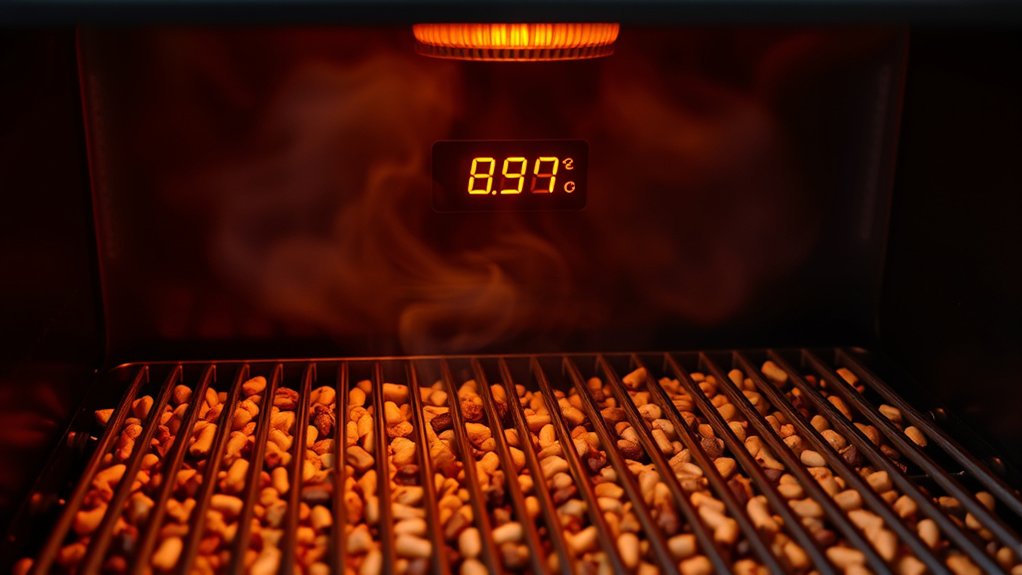
Pellet grills keep a steady temperature thanks to electronic controls and automated feed systems. These controls track the internal temperature and adjust how many pellets are fed to maintain consistent heat.
An auger feeds pellets from the hopper into the firepot, making sure the fire stays steady. Regular cleaning is important to prevent ash buildup, which can mess with temperature control.
Storing pellets properly keeps them dry and free from contaminants, so they burn evenly and reliably. Proper maintenance of these parts helps your grill stay at the right temperature for perfect cooking.
Here’s a quick look at the key components:
| Component | Function | Importance |
|---|---|---|
| Electronic Controls | Regulate temperature and pellet feed | Maintain precise heat |
| Auger System | Delivers pellets into the firepot | Ensures consistent fueling |
| Firepot | Holds pellets for combustion | Provides stable heat |
| Pellet Storage | Keeps pellets dry and accessible | Prevents feed interruptions |
Taking care of these parts keeps your grill running smoothly and your food perfectly cooked.
How the Fan Controls Airflow and Keeps Temperatures Stable
The fan is really important when it comes to controlling the airflow in your pellet grill. It works by adjusting how much air gets into the system, which is key to keeping things running smoothly.
Basically, by regulating the air intake, the fan helps maintain a steady temperature. That way, your food cooks evenly without any sudden fluctuations in heat. It’s like having a steady hand guiding the whole process to make sure everything turns out just right.
Fan Regulates Air Intake
When you operate a wood pellet grill, the fan plays a crucial role in regulating airflow, which directly impacts the cooking temperature. It controls airflow by adjusting how much air enters the grill, making sure the fire gets just enough oxygen to burn efficiently.
This regulation affects how quickly pellets burn and how heat spreads inside the cooking chamber. The fan also manages air intake from the pellet storage, drawing in air to feed the fire and keep combustion steady.
Maintains Consistent Heat
Ever wondered how a wood pellet grill keeps its temperature steady during cooking? It all comes down to how the fan controls airflow, guaranteeing consistent heat.
When the fan adjusts, it regulates the amount of oxygen reaching the fire. This helps maintain a stable temperature and keeps your food cooking evenly.
This precise airflow not only keeps your heat steady but also promotes flavor infusion, as the smoke circulates evenly around your food.
Plus, steady heat helps with moisture retention, preventing your meat from drying out. The fan’s responsiveness means your grill can adapt quickly to temperature changes.
This provides reliable results every time. By controlling airflow, the fan guarantees your cooking environment stays consistent, so you can focus on enjoying perfectly smoked, flavorful dishes.
How a Pellet Grill Produces and Manages Smoky Flavor
Pellet grills produce and manage smoky flavor mainly through burning wood pellets, which release aromatic smoke as they burn. This smoke infuses your food with rich, authentic flavor, giving you that classic barbecue taste.
The key to getting the right smoky profile is choosing the right pellets. Different types of wood, like hickory, mesquite, or apple, add their own unique flavors. Picking the right ones lets you customize the flavor to match your preferences.
The grill’s design helps the smoke circulate evenly around your food, ensuring consistent flavoring. Some pellet grills even let you adjust how much smoke is produced, so you can control how smoky your dishes turn out.
This careful management of smoke means your food isn’t overwhelmed. Instead, you get a balanced, smoky depth that enhances the natural flavors of your ingredients.
Using the Control Panel to Set and Adjust Temperatures
Once you’ve chosen your preferred wood pellets and filled your grill, the control panel becomes your main tool for managing cooking conditions. Most digital displays show the current temperature, making it easy to monitor and adjust.
The control panel helps you monitor and adjust your grill’s temperature for perfect cooking results.
To set your desired heat, just turn the dial or press the buttons to increase or decrease the temperature. Many grills let you input a specific temp for precise control. Once set, the grill automatically maintains that temperature by adjusting the pellet feed and fan speed.
If your grill has temperature calibration features, use them to fine-tune accuracy, especially if readings seem off. Regular calibration helps ensure reliable results. The digital display gives real-time feedback so you can see your adjustments take effect immediately.
With these controls, you can keep a steady heat, making sure your food cooks evenly and to perfection. Proper use of the control panel is key to successful grilling sessions.
Key Components That Make a Wood Pellet Grill Unique
What sets a wood pellet grill apart are its specialized components designed for precise temperature control and consistent flavor. Central to its operation is the hopper, where you store the wood pellets. This wood storage is vital for continuous feeding and steady heat.
The auger then transports pellets from the hopper to the firepot, where an igniter sparks a flame that ignites the pellets, creating smoke and heat. The digital control panel monitors temperature and adjusts pellet feed automatically, ensuring consistent cooking results.
A built-in fan circulates air for even heat distribution. These components work together to deliver precise control over your cooking process. Regular grill maintenance, including cleaning the hopper and firepot, is essential to keep these parts functioning smoothly.
Proper upkeep prevents clogging, maintains flavor quality, and extends your grill’s lifespan. This makes your grilling experience reliable and flavorful every time.
Troubleshooting Common Pellet Grill Issues
Despite their convenience, pellet grills can sometimes have issues that disrupt your cooking. One common problem is inconsistent flavor infusion, which can happen if your pellets are poor quality or not stored properly.
Make sure your pellets are dry and kept in a cool, dry place to prevent moisture absorption. Moist pellets can hinder combustion and reduce flavor release.
If your grill isn’t maintaining temperature, check the auger and pellet feed system for jams or blockages. Regularly cleaning the firepot and burn pot can prevent ash buildup that affects airflow and heat.
Troubleshooting also involves inspecting the hopper for pellet clogs and making sure the auger motor works properly. If you notice weak smoke or uneven cooking, verify your pellets are fresh and that your grill’s fan and exhaust are functioning well.
Addressing these issues will improve flavor infusion and help you get the most out of your pellet grill’s performance.
Frequently Asked Questions
How Do Pellet Grills Differ From Traditional Charcoal or Gas Grills?
Pellet grills differ from traditional charcoal or gas grills because they use compressed wood pellets as fuel, offering precise cooking temperatures and consistent heat.
You control the temperature digitally, making it easy to maintain ideal conditions. Plus, pellet grills are more fuel-efficient, burning pellets slowly and evenly.
This extends cooking time and reduces waste. The combination of control and efficiency makes pellet grills a convenient and eco-friendly choice for grilling enthusiasts.
Can I Use Different Types of Wood Pellets for Various Flavors?
Yes, you can use different types of wood pellets for various flavors, turning your grill into a palette of tastes. Think of pellet variety as a symphony of aromas, with each wood type symbolizing a different note—hickory, apple, or mesquite—adding unique wood flavor profiles.
Experimenting with these varieties lets you craft culinary masterpieces. It transforms your grilling experience into a flavorful journey that delights the senses.
How Often Should I Clean and Maintain My Pellet Grill?
You should clean and maintain your pellet grill regularly, ideally after every few uses, to guarantee peak performance.
Follow a consistent cleaning schedule that includes clearing ash, inspecting the pellet storage for blockages, and cleaning the grates.
Proper maintenance helps prevent buildup, extends your grill’s lifespan, and keeps flavors fresh.
Regularly check and refill the pellet storage to avoid running out mid-cook, ensuring smooth grilling every time.
Are Pellet Grills Suitable for All Types of Barbecue Cooking?
Pellet grills are surprisingly versatile, making you wonder if they can handle every style of barbecue. With their ability to produce rich wood flavor and precise temperature control, you find yourself imagining smoky ribs, tender briskets, or even pizzas.
Their adaptability means you can tackle everything from low-and-slow smoking to high-heat searing. So yes, pellet grills suit almost all types of barbecue cooking, transforming your backyard into a culinary playground.
What Safety Precautions Should I Follow When Operating a Pellet Grill?
When operating your pellet grill, you should prioritize safety by checking fuel quality to prevent flare-ups and guarantee consistent heat. Keep the grill in a well-ventilated area and away from structures.
Regularly manage ash buildup to avoid fire hazards, and never leave the grill unattended while in use. Always follow the manufacturer’s instructions, wear protective gear, and keep a fire extinguisher nearby for added safety.
Conclusion
Now that you know how a wood pellet grill works, you can appreciate its precision and flavor-enhancing features. Did you know that pellet grills can maintain temperatures within just 5 degrees? This consistency helps you cook your food perfectly every time.
Whether you’re smoking, grilling, or roasting, understanding these mechanisms makes a big difference. It allows you to get the best results and enjoy your cooking more.
With a little practice, you’ll master this versatile method and impress your friends with delicious, smoky dishes. A wood pellet grill is a great way to elevate your outdoor cooking game.