5 Easy Steps to Smoke Beef Brisket on a Pellet Grill
Many barbecue enthusiasts dream of perfectly smoked beef brisket, but figuring out where to start can be overwhelming. You’re not alone—smoking brisket on a pellet grill can seem tricky at first.
Luckily, with a few simple steps, you’ll be on your way to delicious, juicy results.
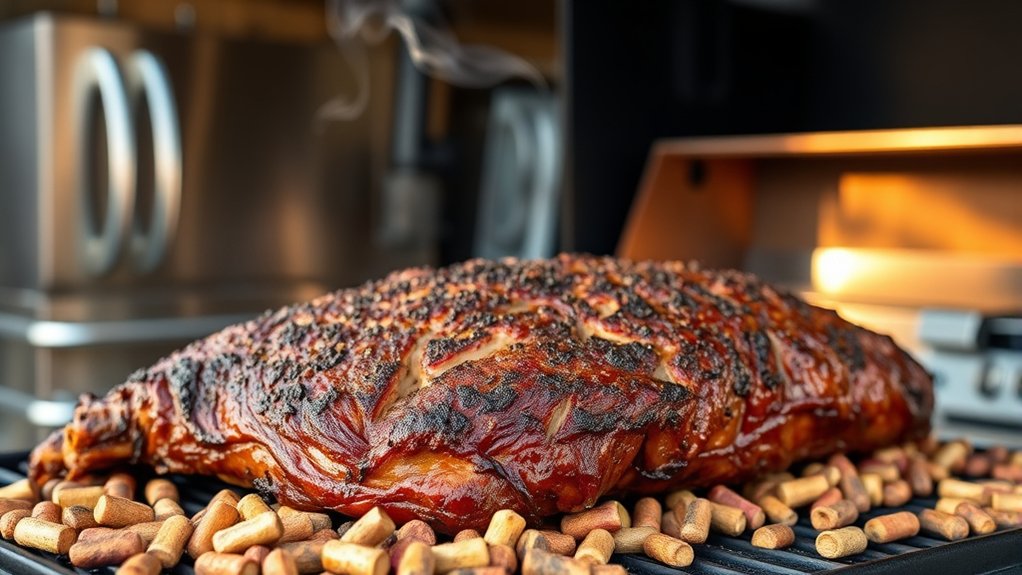
To smoke beef brisket on a pellet grill, start by preparing your grill with fresh pellets and preheat to 225-250°F. Choose a well-marbled brisket, trim excess fat, and apply a flavorful rub, letting it sit overnight if possible.
Maintain a steady temperature, keeping the lid closed, and monitor internal temperature closely.
Once cooked to 195-205°F, rest the brisket and slice against the grain for juicy, tender results. Keep going to learn more tips for perfect smoked brisket.
Key Takeaways
- Prepare your pellet grill by choosing good quality wood pellets and preheating it to 225–250°F.
- Pick a well-marbled brisket, trim off any extra fat, and apply an even rub. Let it sit for at least an hour before cooking.
- Keep the smoke and temperature steady during the cook. Adjust airflow and pellet feed as needed to maintain consistency.
- Smoke the brisket until its internal temperature hits 195–205°F. Use a meat thermometer to monitor closely.
- Rest the brisket for at least 30 minutes, then slice against the grain for tender, flavorful meat.
Getting Your Pellet Grill Ready for Smoking Brisket
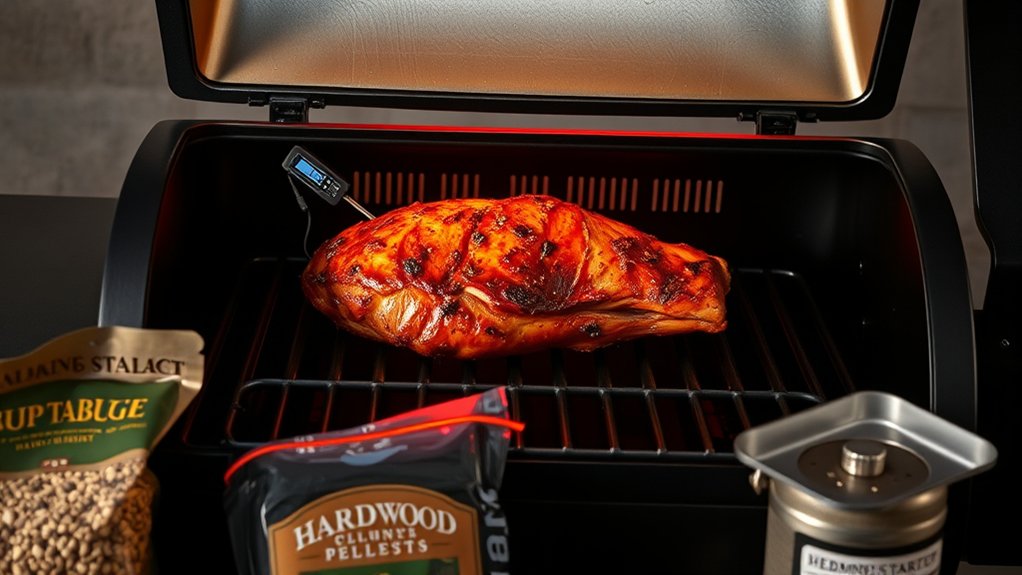
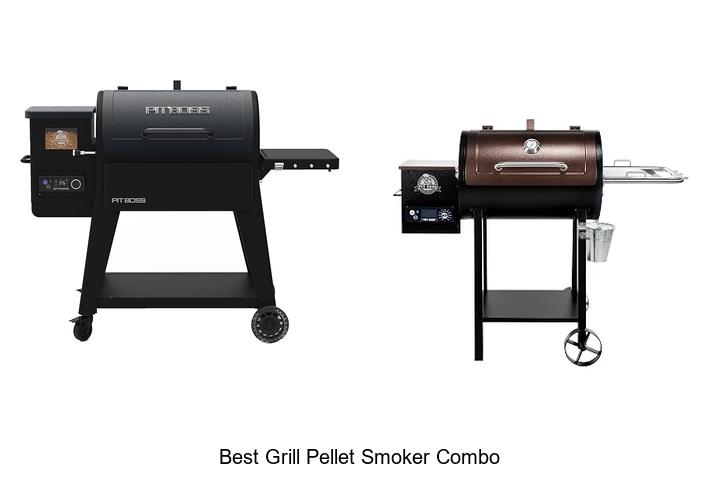
Before you start smoking your brisket, it’s essential to prepare your pellet grill properly. First, choose the right wood pellets; fruit woods like apple or cherry add a subtle sweetness, while hickory provides a stronger smoky flavor. Make sure to fill the hopper with fresh, high-quality pellets to prevent any burning issues.
Next, clean your grill grates thoroughly. Remove any old residue or debris to ensure even heat distribution and prevent unwanted flavors from previous cooks contaminating your brisket. Check the grease trap and clean it if necessary, as a clean grill helps maintain consistent temperature and improves flavor.
Preheat the grill to your desired smoking temperature, usually around 225°F to 250°F. This step guarantees your brisket will cook evenly and develop that perfect smoky crust. Proper preparation of your pellet grill sets the foundation for a delicious, tender smoked brisket.
Choosing and Trimming the Best Brisket for Smoking
Selecting the right brisket is key to getting tender, flavorful smoked meat. When choosing, pay close attention to the marbling—look for even, abundant fat streaks throughout. Good marbling keeps the meat moist and helps develop rich flavor during smoking.
Choosing a well-marbled brisket ensures tender, flavorful smoked meat. Look for even fat streaks throughout.
Think about the size of the brisket based on your setup and how many people you’re serving. A whole packer brisket, usually weighing 10-14 pounds, offers a good balance of muscle and fat. Smaller cuts can work if you’re short on space or time.
When trimming, remove excess fat from the surface to prevent flare-ups and help the meat cook evenly. Leave a thin fat cap for moisture and added flavor. Also, cut away any silverskin or tough connective tissue since these won’t break down during smoking.
Getting your selection and trimming right lays the foundation for a perfectly smoked beef brisket.
Applying Rubs and Seasonings for Maximum Flavor
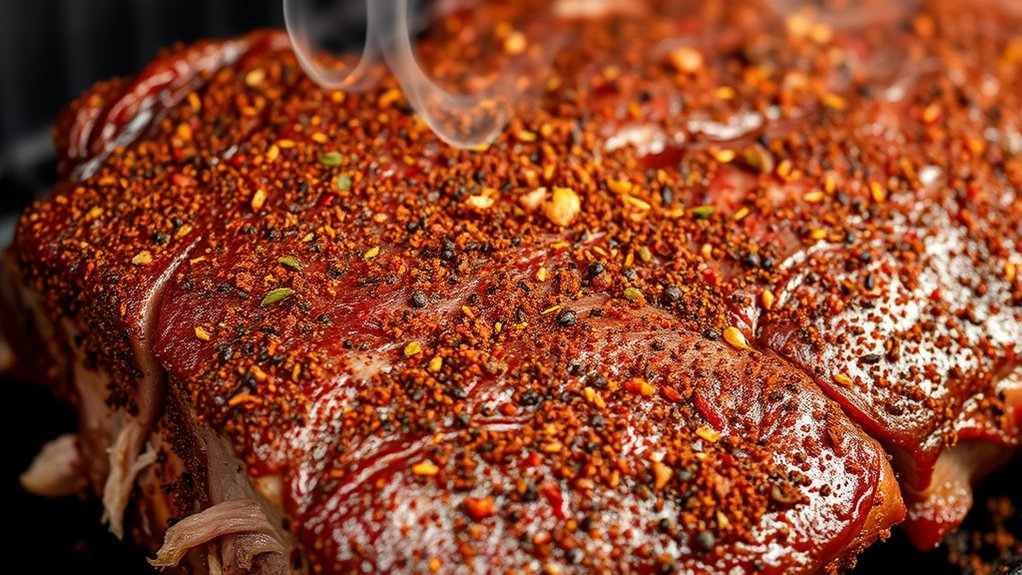
Applying rubs and seasonings is your chance to infuse the brisket with bold, complementary flavors that boost its natural taste. Use seasoning techniques that maximize flavor infusion by applying a generous, even coat of your chosen rub.
A good rub typically combines salt, sugar, spices, and herbs, which work together to create a flavorful crust. Be sure to cover all sides of the meat thoroughly to guarantee consistent seasoning.
Let the brisket sit with the rub for at least an hour, or preferably overnight, to allow the flavors to penetrate deeply. This step not only improves taste but also forms a delicious bark during smoking.
Controlling and Maintaining the Perfect Smoking Temperature
Controlling and maintaining the right smoking temperature is key to getting tender, flavorful beef brisket. Focus on keeping the temperature steady throughout your cook.
Maintaining a steady smoking temperature is essential for tender, flavorful beef brisket.
Set your pellet grill to a consistent range, usually between 225°F and 250°F, to promote even cooking. Use the digital control panel to make precise adjustments and avoid fluctuations that can lead to uneven smoke.
Keeping the temperature stable helps maintain consistent smoke, which is essential for developing a rich, smoky flavor without overcooking the meat. Keep the lid closed as much as possible to prevent temperature drops.
Regularly check your pellet supply to ensure the fire stays steady. If temperatures start to drift, adjust the airflow or pellet feed rate accordingly.
Monitoring, Resting, and Slicing Your Smoked Brisket for Best Results
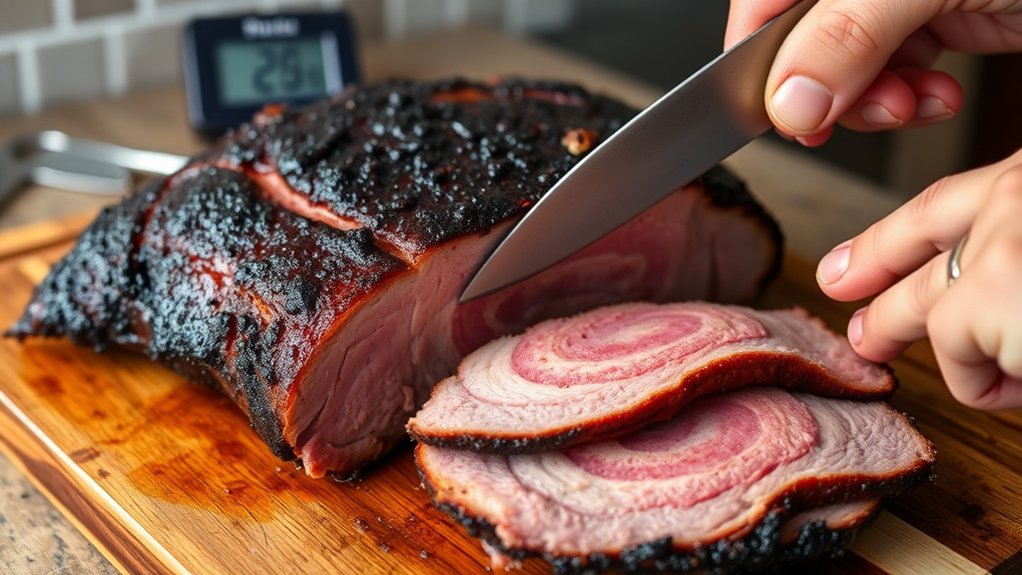
Monitoring your brisket throughout the smoking process guarantees it reaches the perfect level of doneness without overcooking. Use a reliable meat thermometer to check for an internal temperature of about 195-205°F, which ensures ideal brisket tenderness.
Keep an eye on the smoke ring formation; a deep pink ring indicates good smoke penetration and proper flavor development. Rest your brisket for at least 30 minutes after removing it from the grill.
Resting allows juices to redistribute, resulting in a more tender, moist slice. When slicing, cut against the grain to maximize tenderness and achieve clean, even slices.
Proper slicing reveals the meat’s marbling and improves presentation. Remember, patience during resting and precise slicing are key to enjoying a perfectly smoked brisket.
These steps guarantee that your brisket maintains its juicy texture, flavorful smoke ring, and melt-in-your-mouth tenderness.
Frequently Asked Questions
How Long Does It Typically Take to Smoke a Brisket on a Pellet Grill?
You’ll typically spend about 1 to 1.5 hours per pound to smoke a brisket on a pellet grill. During this process, flavor infusion is key, so keep a steady temperature for even cooking.
Temperature control is important because it helps you maintain the meat at the perfect smoking range. This ensures the brisket turns out tender and flavorful.
Keep an eye on your smoker’s settings, and plan for a total cook time that matches the size of your brisket. That way, you’ll get great results every time.
What Wood Pellets Are Best for Smoking Beef Brisket?
Think of wood pellets as the orchestra conducting your brisket’s flavor symphony. For beef, apple and hickory pellets are top choices, offering a harmonious blend of smoky richness and subtle sweetness that pairs beautifully with the meat’s natural flavors.
When selecting pellet varieties, prioritize those labeled for smoking beef to ensure a balanced flavor pairing. These woods will raise your brisket to a tender, flavorful masterpiece.
Should I Wrap the Brisket During the Smoking Process?
You should wrap the brisket during the smoking process if you want to keep it moist and speed up cooking. Use wrapping techniques like double-layer foil or butcher paper.
Many prefer unwrapped smoking for a crisp bark, but wrapping helps retain moisture and tenderize the meat. Decide based on your texture preference—unwrap for bark, wrap for juiciness.
Either way, wrapping can make your smoked brisket more flavorful and easier to manage.
How Can I Tell When the Brisket Is Perfectly Cooked?
Think of your brisket’s doneness as a symphony reaching its crescendo. You’ll know it’s perfectly cooked when the meat tenderness is just right, and the internal temperature hits around 195-205°F.
Use a reliable meat thermometer to check the internal temp, and gently probe the brisket. When it feels tender yet firm, and the juices run clear, you’ve achieved the ideal balance.
Your brisket is ready to serve once it hits that perfect point. It’s all about that tender, juicy bite that makes every slice worth the wait.
What Are Common Mistakes to Avoid When Smoking Brisket?
When smoking brisket, avoid common mistakes like neglecting proper trimming, which can lead to uneven cooking.
Don’t forget to keep the temperature steady to help develop a good smoke ring, boosting both flavor and look.
Also, resist the urge to cut into the brisket too early, since it needs some time to rest.
Following these tips will help your brisket cook evenly, stay moist, and get that delicious smoky crust.
Conclusion
Now that you’ve mastered these simple steps, your pellet grill becomes a trusty canvas for crafting tender, flavorful brisket. Think of it as tending a gentle garden—patience and care nurture the perfect bloom of smoky goodness.
With each smoked slice, you’re painting a picture of dedication and skill, transforming raw meat into a true masterpiece. Enjoy the journey and savor every bite as a well-earned reward for your culinary artistry.
By following these steps to smoke beef brisket on a pellet grill, you’re creating something special. It’s a delicious experience that combines patience, technique, and a love for good food.