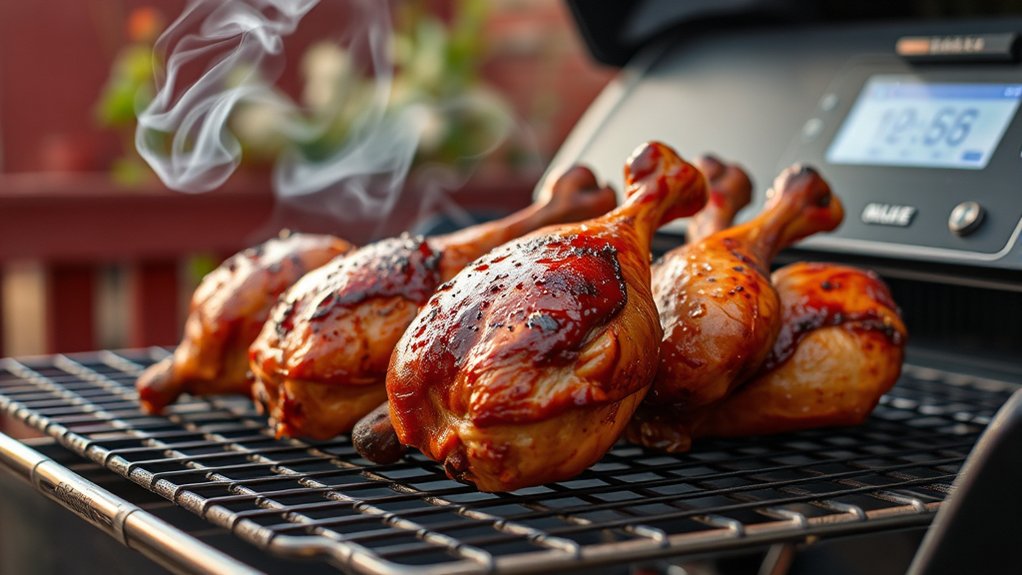
10 Easy Steps to Smoke Chicken Legs on a Pellet Grill
Trying to get perfectly smoked chicken legs on a pellet grill can feel tricky, especially if you’re new to grilling or want that amazing flavor without the fuss. You’re not alone—many people struggle with getting that ideal smoky taste and tender texture.
Luckily, with a few simple steps, you can master the process and impress everyone at your next cookout.
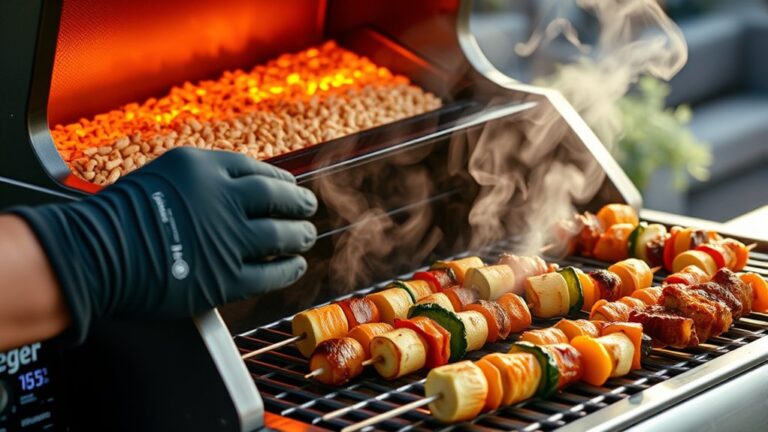
To smoke chicken legs on a pellet grill, start by cleaning the grill and filling the hopper with quality wood pellets. Preheat to 225°F so everything’s ready to go.
Season the chicken with your favorite dry rub or marinade, then arrange them with space for airflow to ensure even cooking. Place the chicken on the grill, maintaining a consistent temperature throughout.
Monitor the internal temperature until it hits 165°F. Once done, let the chicken rest for a few minutes before serving.
Want to perfect your technique? Keep exploring for more expert tips to elevate your smoked chicken game.
Key Takeaways
- Preheat your pellet grill to 225°F and fill the hopper with quality wood pellets like hickory or apple.
- Pick fresh, well-seasoned chicken legs and apply your favorite dry rub or marinade.
- Arrange the chicken on the grill with space for airflow, placing the thicker sides closer to the heat.
- Keep the temperature between 225 and 250°F, monitor the internal temp, and smoke until the chicken reaches 165°F inside.
- Let the cooked chicken legs rest for 5-10 minutes before serving for juicy, flavorful results.
Get Your Pellet Grill Ready for Perfect Smoking
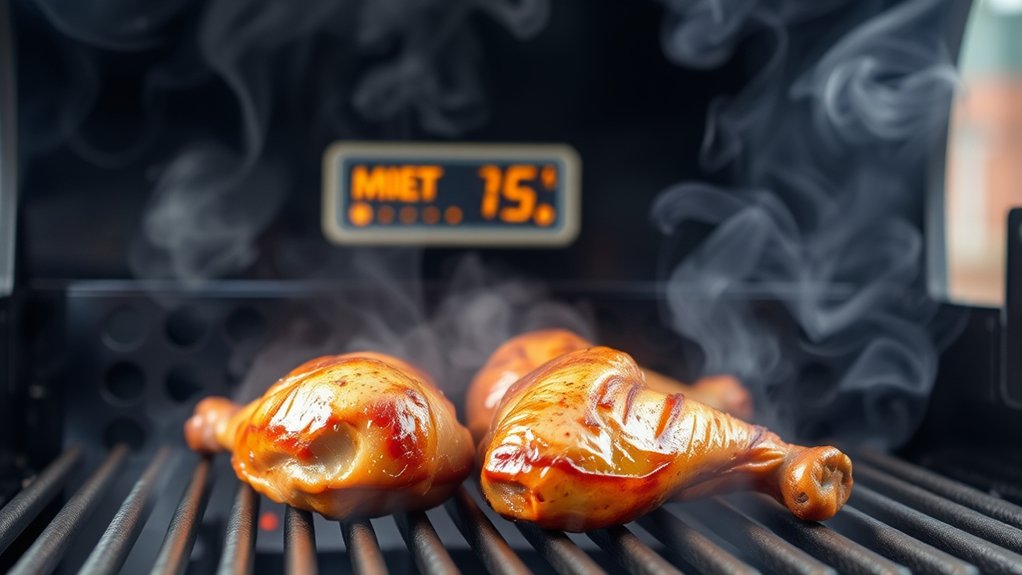
Before you start smoking, you need to make sure your pellet grill is properly prepared. This step is essential for getting the best results, whether you’re smoking indoors or using it as an alternative cooking method.
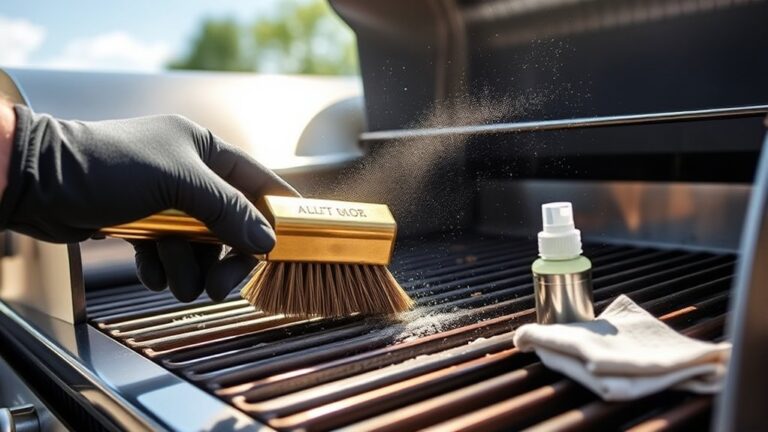
First, clean out any leftover ashes or debris from previous sessions. Check that your pellet hopper is filled with high-quality wood pellets suitable for smoking chicken.
Turn on the grill and set it to your desired temperature, usually around 225°F for chicken legs. Allow the grill to preheat fully—this helps ensure even heat distribution and better smoke absorption.
Make sure the grill’s vent is open to promote proper airflow. If you’re using indoor smoking, verify the area is well-ventilated to avoid smoke buildup.
Proper preparation helps maintain consistent temperatures and smoke levels, which are key for tender, flavorful chicken legs.
With your grill ready, you’re all set to start the smoking process confidently.
Choose the Best Chicken Legs and Seasonings
Selecting the right chicken legs and seasonings sets the foundation for flavorful smoking. When choosing chicken legs, look for fresh, well-trimmed meat with firm skin and a healthy color.
Understanding chicken leg nutrition helps you pick options that match your dietary goals. Whenever possible, choose organic or free-range poultry, as it often comes from better farming practices, which means better quality and taste.
Seasonings are just as important; simple mixes like salt, pepper, garlic, and paprika work really well. Feel free to add herbs or spice blends to customize the flavor. Just avoid overly salty or sugary seasonings that can mask the natural taste.
Set the Ideal Temperature and Smoke Level
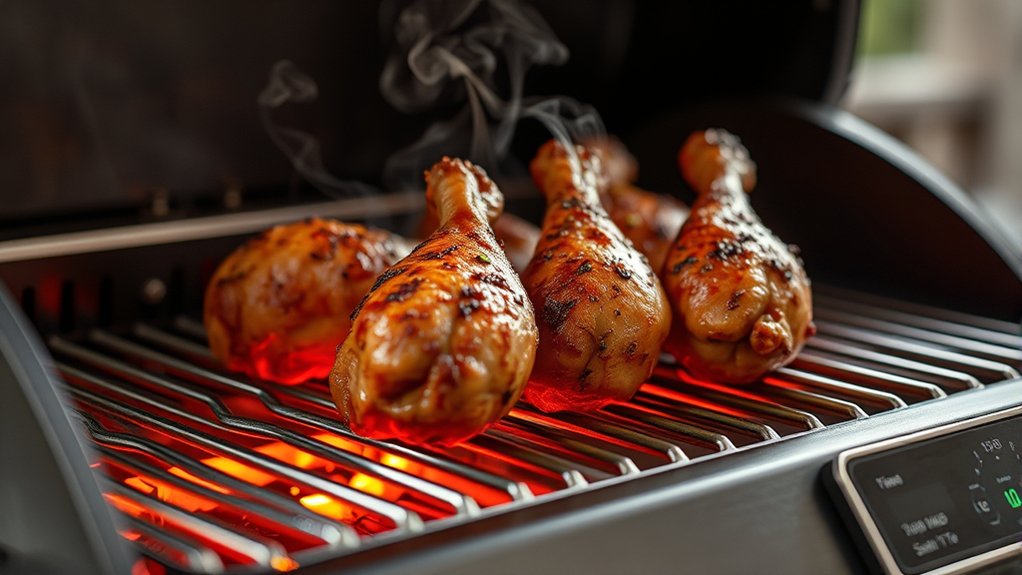
To get those chicken legs just right, you’ll want to set your smoker to a temperature between 225°F and 250°F. It’s a nice, steady heat that helps the meat stay juicy and cook evenly.
Now, about the smoke level—think about how smoky you like your food. If you’re after a bold, smoky flavor, go for more smoke. If you prefer a milder taste, use less. Finding that sweet spot makes all the difference, giving you tender, flavorful chicken with that perfect smoky aroma.
Optimal Temperature Range
Setting the right temperature range is key for perfectly smoked chicken legs. Aim for an internal temperature of about 165°F, but keep your grill between 225°F and 250°F. This helps the chicken cook evenly and absorb smoke well.
Maintaining this range keeps the meat juicy and tender while developing rich flavors. The type of pellets you use can change the smoke flavor, so try woods like hickory or apple for different profiles.
Be careful not to go too high, or the meat might dry out. Too low, and it could take longer to cook. Keep a close eye on your grill and adjust the temperature as needed.
Using quality pellets ensures consistent smoke flavor. Staying steady with your grill temperature promotes even cooking. Feel free to experiment with different pellet flavors for variety.
Lastly, monitor the internal temperature of the meat regularly. This helps you achieve perfectly smoked chicken legs that are flavorful and tender.
Desired Smoke Intensity
Achieving the right smoke intensity depends on both your grill’s temperature and the type of pellets you use. To improve smoke flavor without overpowering the chicken, set your pellet grill to a moderate temperature, around 225°F to 250°F.
This range allows for steady smoke penetration, giving your chicken legs a rich, smoky taste. Using wood pellets like hickory or apple can influence the smoke flavor, but avoid overly dense woods that produce too much smoke.
Adjust the smoke level by controlling airflow or adding more pellets if needed. Remember, too much smoke can create a bitter taste, while too little can result in blandness.
Finding the perfect balance ensures your chicken legs are flavorful, tender, and infused with just the right amount of smoky goodness.
Season Your Chicken Legs With a Dry Rub or Marinade
Before placing your chicken legs on the grill, it’s important to season them well. Using a dry rub or marinade boosts flavor and helps keep the chicken juicy and tasty.
Dry rubs are quick and give you control over the seasoning, while marinades add moisture and deeper flavor. Whichever you choose, make sure to apply the seasoning evenly for the best results.
Let the chicken rest for at least 30 minutes after seasoning. This helps the flavors soak in and enhances the smoky profile.
For a flavorful dry rub, use a blend of spices like paprika, garlic powder, and cumin. If you prefer a marinade, mix olive oil, lemon juice, and herbs for added moisture and taste.
Be generous and even with your seasoning to ensure consistent flavor. Rest the chicken after seasoning so the flavors can penetrate deeply.
Arrange Chicken Legs for Even Cooking
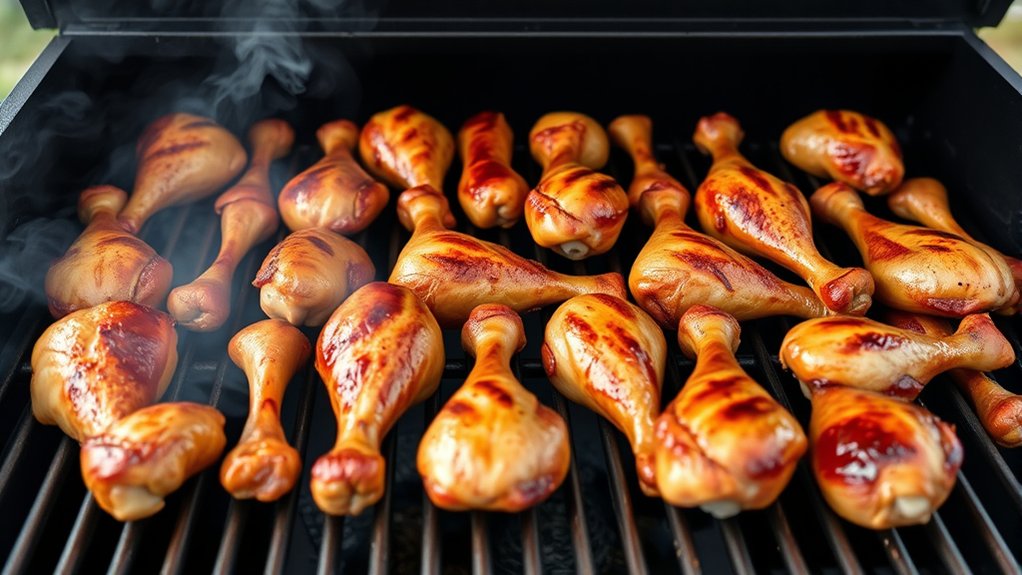
Once your chicken legs are seasoned and rested, arrange them properly on the pellet grill to make sure they cook evenly. Focus on how you place the chicken, giving each piece enough space for proper airflow.
Arrange seasoned chicken legs with space for airflow, positioning thicker sides toward the heat for even cooking.
Position the thicker, meaty side facing the heat source. This helps promote even cooking. Tuck or slightly elevate the thinner end to prevent it from drying out.
Arrange the legs in a single layer, avoiding overcrowding so heat can circulate freely. Use the grill’s grates efficiently by spacing out the chicken legs to prevent uneven heat spots.
Paying attention to placement and leg orientation now will ensure all parts cook at the same rate. This results in juicy, tender chicken legs. It also minimizes the need for constant adjustments later, making your smoking process smooth and successful.
Monitor Internal Temperature for Juicy, Safe Results
When you’re cooking chicken, it’s a good idea to use a reliable thermometer to keep an eye on the internal temperature. This way, you get accurate readings and make sure the chicken is cooked just right. Knowing the safe temperature range helps you avoid undercooking, which can be risky, or overcooking, which can dry out the meat.
Make sure to check the temperature frequently as it cooks. If you notice it’s getting close to the safe zone, you can make any needed adjustments to keep everything juicy and safe to eat. It’s all about finding that perfect balance!
Use a Reliable Thermometer
Using a reliable thermometer is key to perfectly cooked chicken legs on your pellet grill. It helps you keep track of the internal temperature accurately, which is crucial for safety and avoiding undercooked or overcooked meat.
Regularly calibrating your thermometer ensures you get precise readings. This way, you can avoid mistakes that affect both safety and flavor. A dependable thermometer lets you monitor progress without guesswork and keeps your chicken juicy.
Always check your thermometer’s calibration before grilling to get the most accurate results. Choose a digital or instant-read thermometer for quick, reliable measurements. Insert the probe into the thickest part of the chicken leg for the correct reading.
Use the thermometer to confirm when your chicken reaches the safe, juicy temperature. This simple step makes all the difference in achieving perfectly cooked, flavorful chicken.
Know Safe Temperature Range
Monitoring the internal temperature of chicken legs is essential to guarantee they’re both safe to eat and juicy. Cooking safety depends on reaching the right temperature to kill harmful bacteria, so use a reliable thermometer to track progress.
According to temperature guidelines, chicken is safe to eat when it hits 165°F (74°C), but many prefer to cook it slightly higher for added moisture, around 170-175°F (77-79°C).
Staying within this safe temperature range ensures your chicken remains tender and flavorful without risking undercooking.
Be mindful not to overcook, as temperatures above 180°F (82°C) can dry out the meat. Properly monitoring your chicken’s internal temperature is the key to perfectly smoked, safe, and juicy chicken legs.
Check Frequently During Cooking
To keep your chicken legs juicy and safe to eat, it’s important to check the internal temperature regularly during cooking. Use a reliable meat thermometer to keep track and avoid overcooking.
Monitoring the temperature helps you apply seasonings effectively, letting the flavors soak in without drying out the meat. Keep an eye on it so you don’t undercook, which can be unsafe, or overcook, which makes the chicken dry.
Check the temperature every 20 to 30 minutes to stay accurate. Adjust the smoke and heat as needed for even cooking. If you like, reapply seasoning during the process for extra flavor.
Make sure your thermometer is calibrated so you get precise readings. Regular checks also help you maintain your grill’s performance, since good maintenance keeps the temperature stable.
Determine How Long to Smoke Your Chicken Legs
Determining how long to smoke your chicken legs depends on their size and how tender you want them. Usually, smoking times range from 1.5 to 2 hours at 225°F.
Smaller legs might be ready closer to 1.5 hours, while larger ones could need closer to 2 hours. Keep an eye on the internal temperature, aiming for 165°F for safe eating.
Longer smoking times boost smoky flavor and tenderness, while shorter ones keep the meat juicy with a lighter smoke taste. If you like a stronger smoky flavor, you can extend the smoking time a bit.
Just be careful not to overdo it, as overcooking can dry out the meat. Use a reliable meat thermometer to check the temperature so you don’t have to guess.
Adjust your smoking time based on the size of the legs and your flavor preferences, but always prioritize reaching that safe internal temperature for delicious results.
Rest and Serve for Maximum Juiciness
Once you’ve taken the chicken legs off the grill, give them a little break—let them rest for at least 5 minutes. This step is key to keeping all those tasty juices locked in. You can loosely cover them with foil, shaping a gentle tent over the meat, which helps prevent moisture from escaping.
Follow these simple techniques, and I promise your chicken will stay tender and full of flavor when it’s time to serve. Enjoy!
Rest Time Matters
Have you ever bitten into a perfectly smoked chicken leg only to find it dry and tough? That’s why rest time matters. After smoking, your chicken needs a few minutes to reabsorb juices, ensuring maximum tenderness and flavor. Incorporate proper resting practices, like tenting with foil, to keep heat in without steaming the meat. Resting also helps distribute juices evenly, preventing dryness.
When marination techniques have done their job, resting allows the flavors to settle, enhancing each bite. Don’t rush this step. Patience really makes a difference.
Use a loose foil tent to retain heat. Let the chicken rest for at least 10 minutes. Avoid cutting into the meat immediately. Focus on even juice redistribution for maximum juiciness.
Proper Tent Waits
To guarantee your smoked chicken legs stay juicy and flavorful, using a proper tenting technique is essential. Start with a well-planned tent setup—use aluminum foil or a clean towel to loosely cover the meat. This traps heat and moisture, helping the juices redistribute evenly.
Consider weather conditions—if it’s humid or windy, you might need a sturdier setup or a more insulated tent to prevent temperature drops. Avoid wrapping tightly, as that can trap excess moisture and make the skin soggy.
Instead, aim for a loose tent that allows airflow while retaining warmth. Let the chicken legs rest for 10-15 minutes under the tent before serving. This step ensures maximum juiciness, flavor, and a perfect texture.
Juiciness Preservation Techniques
Once you’ve tented your chicken legs to lock in moisture, the next step is letting them rest properly. Resting helps redistribute the juices so each bite stays tender and juicy.
To get the most juiciness, avoid common myths like cutting into the meat right away, which causes moisture loss. Instead, try marinade techniques that boost moisture retention and flavor.
Keep the chicken tented for at least 5–10 minutes so the juices can settle. Proper resting prevents them from escaping when you cut into the meat.
For the best results, serve on a warm plate and avoid slicing too early. This simple step makes a big difference in enjoying flavorful, moist chicken legs after smoking.
Troubleshoot Common Smoking Problems
Even experienced pitmasters encounter issues when smoking chicken legs, but most problems can be quickly resolved with some troubleshooting. If your chicken isn’t cooked through, check your grill’s temperature accuracy. Regularly calibrate your thermometer to stay on point.
Under- or over-smoking can happen if smoke flow isn’t consistent. Make sure your pellet supply is steady, and adjust your vents properly. For food safety, always use a reliable meat thermometer to verify the internal temperature hits 165°F.
If your chicken turns out dry, it might be due to cooking too long or at too high a heat. Next time, try lowering the temperature or wrapping the legs with foil during the last part of cooking. Keeping your equipment well-maintained is also key.
Clean out ash buildup and check seals regularly to prevent smoke leaks. Regular maintenance of your pellet grill helps ensure consistent results and fewer issues. By staying on top of safety and equipment care, you’ll get perfectly smoked chicken legs every time.
Experiment With Flavors and Smoke Variations
Experimenting with different flavors and smoke variations is a great way to customize your smoked chicken legs and keep things interesting. You can boost flavor infusion by trying out various dry rubs, marinades, or seasoning blends that complement the smoky taste.
Adjusting the smoke density lets you control how strong the smoke flavor is. For a subtle hint, go lighter; for a bold, robust profile, go heavier. To experiment effectively, consider using different wood pellets like hickory, apple, or mesquite for unique flavors.
You can also incorporate herbs and spices into your rubs for added aroma. Vary the smoke density by adjusting the pellet feed rate or vent openings. Combining flavored woods or adding fruitwood can give you a sweeter, more complex smoke profile.
Frequently Asked Questions
Can I Use Bone-In or Boneless Chicken Legs for Smoking?
You can use both bone-in and boneless chicken legs for smoking. Bone-in legs usually take longer to cook and develop richer flavor, while boneless ones cook faster.
To add extra flavor, try different marinade variations before smoking. Keep in mind that cooking times vary: bone-in takes about 1.5 to 2 hours, and boneless around 1 hour.
Adjust your smoking time accordingly for tender, flavorful results.
What Types of Wood Pellets Are Best for Smoking Chicken Legs?
You should choose fruit woods like apple or cherry pellets for smoking chicken legs, as they provide a mild, sweet flavor infusion that complements the meat well.
Hickory and pecan pellets also work, offering a richer, smoky taste.
The pellet variety you pick depends on the flavor profile you want.
Experimenting with different types helps you find your favorite, but fruit woods are generally the best for a delicate, delicious chicken flavor.
How Do I Prevent the Chicken From Drying Out During Smoking?
Did you know chicken legs have more connective tissue, which can make them prone to drying out? To keep them juicy, focus on adding flavor and locking in moisture.
Keep your grill steady at around 225°F, and use a water pan or spray the chicken with a marinade during cooking. These steps help maintain moisture and prevent drying.
Wrapping the legs in foil halfway through can also trap moisture, ensuring your chicken stays tender and flavorful every time.
Is It Necessary to Brine the Chicken Legs Before Smoking?
Brining chicken legs isn’t necessary, but it’s a great way to boost moisture and flavor. If you want, you can use marinades like buttermilk, citrus, or herb-based mixes to enhance taste and keep the meat juicy while smoking.
Brining or marinating helps prevent drying out and adds flavor, making your smoked chicken legs even more delicious. Both methods are optional but highly recommended for the best results.
Can I Smoke Chicken Legs Alongside Other Meats?
Think of your grill as a symphony; different meats can harmonize beautifully if you consider flavor pairing and cooking timing.
You can smoke chicken legs alongside other meats, but keep an eye on their cooking times to avoid overcooking.
For example, if you’re smoking brisket, add chicken legs later so everything finishes tender at the same time.
With some planning, you’ll end up with a delicious, well-coordinated feast.
Conclusion
Think of your pellet grill as a trusty compass guiding your culinary voyage. With each step, you’re steering toward smoky, tender chicken legs that tell a story of patience and passion.
Welcome the journey, savor every flavor, and let your grill be the steady hand guiding you through delicious adventures. Soon, you’ll harvest the reward—a feast that warms the soul and creates memories worth savoring.
Enjoy your smoked chicken legs, and remember, a great meal starts with confidence in your pellet grill. Happy grilling, captain of your smoky voyage!