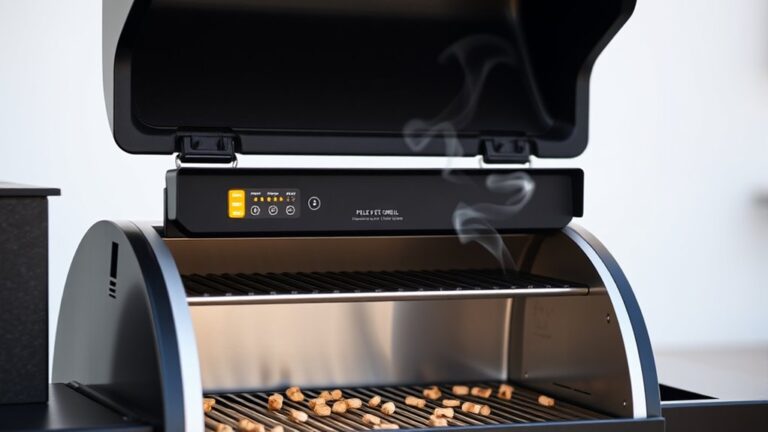
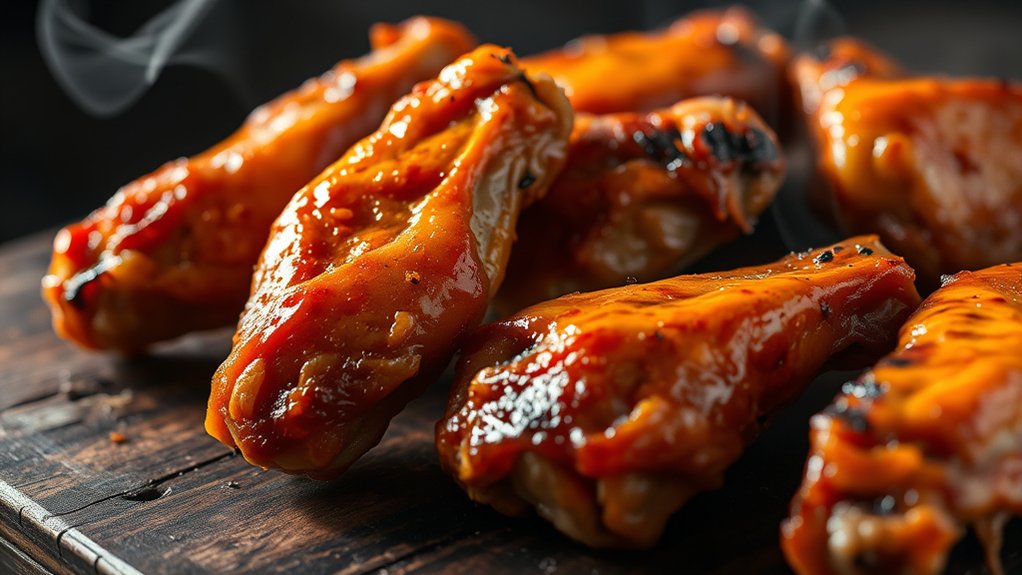
Perfectly Cooked Chicken Wings: How Long to Cook on a Pellet Grill
Many grilling enthusiasts know the struggle of getting chicken wings perfectly cooked—crispy on the outside and juicy on the inside. You’re not alone; it’s a common challenge, especially when trying to get that ideal texture and flavor every time.
Perfectly Cooked Chicken Wings: How Long to Cook on a Pellet Grill
To perfectly cook chicken wings on a pellet grill, aim for 375°F and cook fresh wings for 20-25 minutes, turning halfway.
Frozen wings take about 50% longer, and boneless wings need 12-18 minutes, depending on size.
Use a meat thermometer to check for an internal temperature of 165°F. For crispy skin, make certain wings are dry and properly spaced.
Keep these tips in mind, and you’ll master grilling wings every time. Continue to find out more tips and tricks!
Key Takeaways
- Cook fresh chicken wings at 375°F for 20-25 minutes, turning halfway for even doneness.
- If you’re cooking frozen wings, extend the cooking time by 50% but keep the same temperature.
- Use a meat thermometer to check that the internal temperature reaches 165°F to ensure they’re safe to eat.
- For crispy skin, finish the wings with a higher heat or briefly broil them after the initial cooking.
- Keep in mind, larger wings may need an extra 5-10 minutes, while smaller wings might take a bit less time.
How to Cook Chicken Wings on a Pellet Grill for Perfect Results
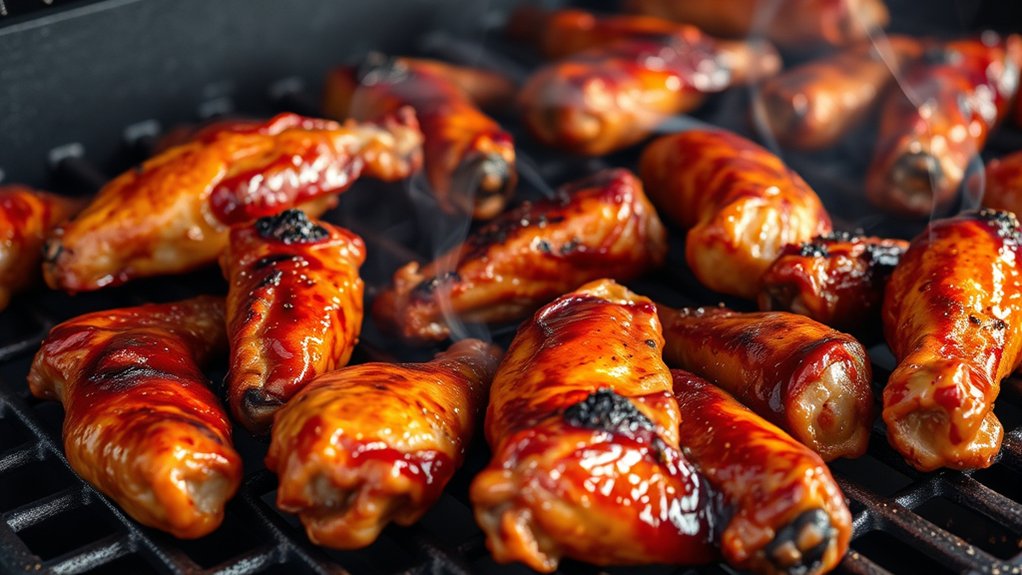
Cooking chicken wings on a pellet grill is a simple way to get smoky, flavorful results. To start, use marinade techniques that infuse flavor and tenderize the meat. A basic marinade of soy sauce, garlic, and honey works well, but feel free to experiment with spices and herbs.
Marinate the wings for at least an hour to get the most flavor. When you’re ready to cook, place the wings on the grill grates, spreading them out evenly for consistent cooking. Proper presentation matters; position the wings skin-side up to ensure crispness and an appealing look.
Avoid overcrowding the grill, as it can cause uneven cooking. Close the lid and cook the wings until they reach your preferred internal temperature, turning them occasionally for even heat. Once they’re done, let the wings rest briefly before serving to boost juiciness and presentation.
This method delivers flavorful, crispy wings with a smoky touch every time.
Best Temperature Settings for Pellet-Grilled Chicken Wings
Once you’ve marinated and arranged your wings on the pellet grill, setting the right temperature is key to cooking them perfectly. For chicken wings, about 225°F to 250°F works best.
This low-and-slow method keeps the meat tender and juicy while adding that smoky flavor everyone loves. When the wings hit an internal temperature of 165°F, you can bump the heat up a bit to 350°F or higher to get a crispy outside.
That’s also a good time to decide on your sauce—whether it’s classic buffalo, honey BBQ, or tangy teriyaki. After grilling, store leftovers in an airtight container in the fridge for up to four days.
Reheat gently to keep the wings moist and flavorful. Sticking to these temperature settings will help you make perfectly cooked, delicious wings every time.
Preparing Your Chicken Wings Before Grilling
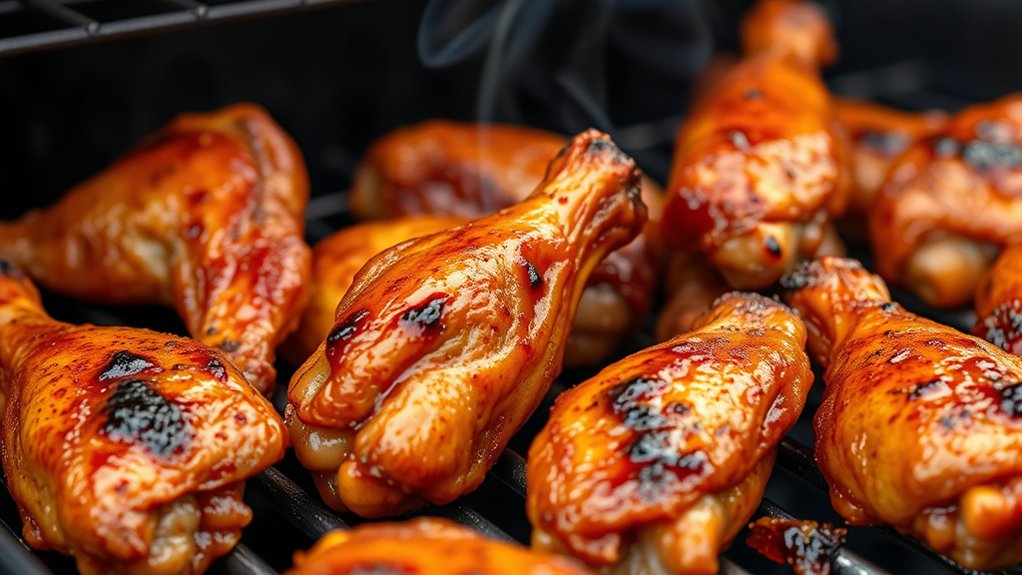
Before you place your chicken wings on the grill, it’s vital to prepare them properly. Start with marinade techniques to boost flavor and tenderness. Use a simple marinade of oil, spices, and acid like vinegar or citrus juice, and let the wings soak for at least 30 minutes. This helps them stay moist and adds depth to their taste.
If you’re not ready to cook immediately, focus on wing storage. Keep the wings refrigerated in an airtight container to prevent spoilage and maintain freshness. If you plan to marinate for longer, do so in the fridge to avoid bacteria growth.
Pat the wings dry before grilling to guarantee crispy skin. Proper preparation ensures your chicken wings will turn out tender, flavorful, and perfectly cooked on your pellet grill. Taking these steps helps maximize flavor and guarantees food safety, setting the stage for delicious results.
How Long to Cook Fresh, Frozen, and Boneless Wings
Knowing how long to cook different types of chicken wings helps you get that perfect, juicy bite every time. Fresh wings usually cook faster, so you can have them ready in no time. Frozen wings, on the other hand, need a little more patience and a slightly longer cook time to ensure they’re cooked through. Boneless wings are pretty quick and tend to cook evenly, making them a great choice when you’re in a hurry. Just keep these timing tips in mind, and you’ll end up with tender, delicious wings no matter which type you’re making!
Cooking Times for Fresh Wings
Cooking fresh chicken wings requires a careful balance of time and temperature to guarantee they’re juicy on the inside and crispy on the outside. For perfect results, aim for about 20-25 minutes at 375°F on your pellet grill, turning them halfway through.
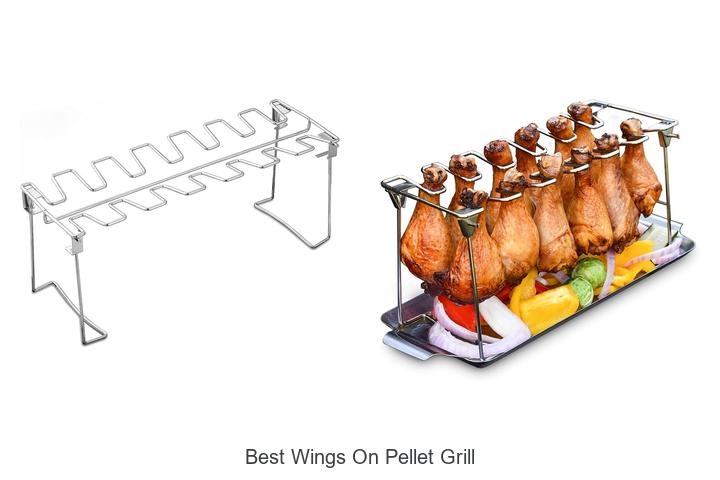
This ensures even cooking and ideal wing flavor. Keep an eye on the wings’ color and internal temperature—165°F is the safe target. Using grilling accessories like a wire rack helps air circulate and promotes crispiness.
Adjust cooking time if your wings are larger or smaller, but avoid overcooking to prevent dryness. Remember, the right timing combined with your preferred seasoning creates delicious, flavorful wings that are crispy outside and tender inside every time.
Frozen Wings Preparation Tips
When preparing frozen chicken wings, adjusting your cooking approach guarantees they come out just as crispy and flavorful as fresh ones. Start by thawing wings properly or cooking directly from frozen, but remember to extend the cooking time by about 50%.
Use seasoning techniques that stick well despite the ice, like a light oil coating or dry rub before cooking. Wing storage tips are essential—keep wings airtight and frozen until ready to ensure freshness and prevent freezer burn.
For best results, cook frozen wings at a consistent temperature on your pellet grill, usually around 375°F. Check for doneness with a meat thermometer. Properly prepared frozen wings will achieve that perfect crispy exterior and juicy interior you’re aiming for.
Boneless Wings Cooking Duration
Ever wondered how long to cook boneless wings to get that perfect crispy outside and juicy inside? For fresh boneless wings, cook at 375°F for 12 to 15 minutes, turning halfway through.
If you’re using frozen boneless wings, add a few extra minutes—around 15 to 18 minutes—since they need more heat to defrost and cook evenly. Boneless wings cook faster than bone-in ones because they don’t have the bone, meaning less cooking time overall.
Once cooked, toss them in your favorite wing sauce for maximum flavor. Keep in mind, bone-in wings take longer—about 20 to 25 minutes—so boneless wings are a quick, easy alternative that’s just as tasty.
Just make sure they reach an internal temperature of 165°F to be safe and delicious.
How to Achieve Crispy Skin on Your Wings
Achieving crispy skin on your chicken wings starts with properly drying the surface of the wings before cooking. Pat them dry thoroughly with paper towels to remove excess moisture, which can prevent crispiness.
Dry wings thoroughly with paper towels to ensure crispy, golden skin.
Once dried, you can improve the skin’s texture by applying a light coating of oil or baking powder. This helps promote browning and crispness.
For a better wing presentation, arrange the wings in a single layer on the pellet grill, avoiding overcrowding. This ensures even heat exposure and crisping on all sides.
When it’s time to serve, choose a sauce pairing that complements the crispy texture—think tangy buffalo or honey garlic. The crunch and flavor combo really makes the wings stand out.
A visually appealing wing presentation, with wings neatly arranged, invites guests to enjoy the crispy exterior alongside the juicy interior. It makes your wings irresistible.
Using a Meat Thermometer to Check for Doneness
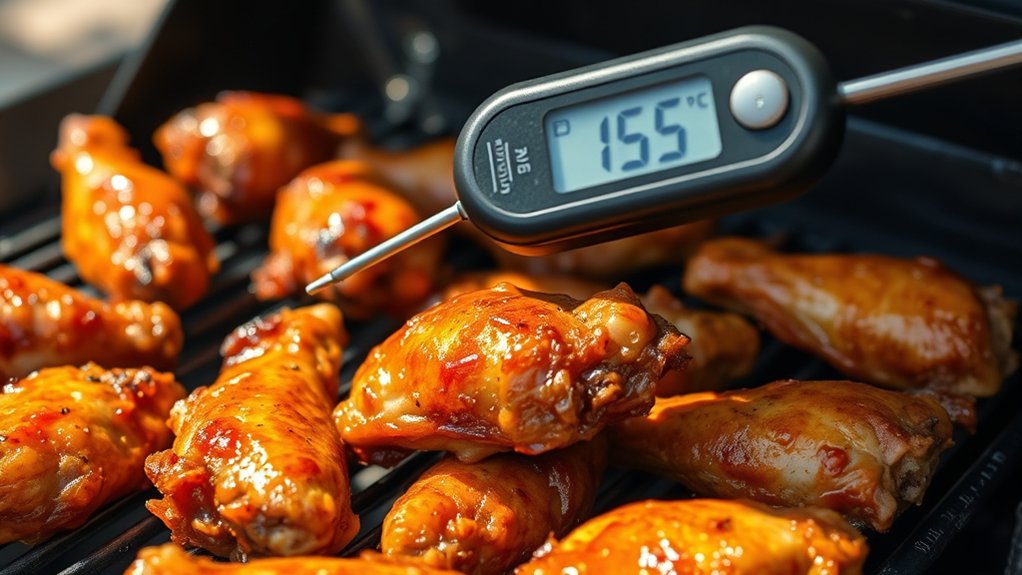
Using a meat thermometer is the most reliable way to guarantee your chicken wings are cooked to a safe and perfect internal temperature. When checking for doneness, focus on the meat temperature, which should reach 165°F (74°C).
Insert the thermometer into the thickest part of the wing without touching the bone, as bones can give inaccurate readings. Accurate doneness verification ensures the wings are fully cooked, reducing the risk of foodborne illness.
Using a thermometer eliminates guesswork, especially since visual cues like color or texture can be misleading. Once the thermometer reads 165°F, you can confidently remove the wings from the grill.
Remember to let the wings rest for a few minutes before serving, as carryover heat may slightly increase the internal temperature. This simple step guarantees your chicken wings are not only safe but also perfectly cooked, juicy, and flavorful.
Common Mistakes to Avoid When Grilling Chicken Wings
When you’re grilling chicken wings, try not to overcrowd the grill. If you put too many wings in at once, the heat doesn’t circulate properly, and that can lead to uneven cooking. Nobody wants wings that are burnt on one side and undercooked on another, right?
Also, keep an eye on the temperature. It’s super important to maintain the right heat so your wings stay juicy and cook through evenly. If the heat’s too high, they might burn outside before the inside is done, and if it’s too low, they’ll take forever to cook.
And don’t skip the oil! A little bit of oil on the wings helps prevent sticking and makes it easier to get that crispy, golden skin everyone loves. Plus, it helps the seasonings stick better, so every bite is packed with flavor.
Overcrowding the Grill Space
Have you ever noticed how overcrowding the grill can ruin your wings? When you pack too many at once, the grill space gets cramped, and proper heat circulation suffers. This leads to uneven cooking and soggy wings.
To avoid this, give each piece enough room to breathe. Keep them spaced out so they cook evenly and stay crispy.
Here’s a visual to help:
| Wing Placement | Effect of Crowding | Resulting Issue |
|---|---|---|
| Heavy clustering | Poor airflow | Uneven cooking |
| Overlapping wings | Trapped moisture | Soggy texture |
| Too many wings | Heat imbalance | Inconsistent doneness |
| Close-packed wings | Reduced grill efficiency | Longer cook time |
| Crowded grill | Hot spots | Burnt or undercooked areas |
Make sure to keep a proper distance for crispy, evenly cooked wings.
Ignoring Proper Temperature
Did you know that grilling chicken wings at the wrong temperature can quickly ruin your perfect cook? Temperature neglect is a common mistake that leads to undercooked or burnt wings.
If you don’t monitor your grill’s heat, you risk uneven cooking and lost juiciness. Many forget that maintaining a steady temperature is *essential* for tender, flavorful wings.
*Furthermore*, seasoning oversight often results from rushing the process or cooking at too high a heat, which can burn spices before they develop flavor. Always use a thermometer to keep the grill consistent and *guarantee* your wings reach the ideal internal temperature.
Ignoring proper temperature control compromises your wings’ texture and taste, so stay attentive to your grill’s heat to achieve perfectly cooked, delicious wings every time.
Forgetting to Oil Wings
Even if your grill is at the perfect temperature, forgetting to oil your wings can cause sticking and prevent them from cooking evenly. Proper oil application creates a non-stick surface and helps seasoning stick better. Without oil, wings can tear when flipping and may cook unevenly.
To avoid this, try these steps: lightly brush or spray wings with oil before placing them on the grill. Use a high-smoke-point oil like canola or avocado for better heat tolerance. After oiling, apply your seasoning evenly to boost flavor and prevent burning.
Skipping oil not only affects the texture but also hampers flavor development. Always remember to oil your wings consistently for smooth grilling and crispy, delicious results.
Flavor Boosters: Marinades, Rubs, and Sauces for Pellet Wings
Flavor boosters are essential for turning plain pellet wings into mouthwatering bites. By experimenting with different flavor combos, you can make each batch just how you like it.
Enhance your pellet wings with creative flavor combos for irresistibly delicious bites.
Marinade techniques are key—soak your wings in a mixture of spices, acids, and liquids to infuse them with depth. For example, soy sauce, honey, garlic, and ginger create a sweet-savory profile.
Rubs are another great option. Applying a dry spice blend before grilling enhances the crust and adds complexity. Think smoked paprika, cumin, and chili powder for a smoky, spicy kick.
Sauces, added after cooking, can boost your wings even more. Options like tangy buffalo, sticky barbecue, or creamy ranch work perfectly. Mixing these flavor boosters lets you customize your wings for any occasion.
Whether it’s casual get-togethers or game day, the key is balancing ingredients to complement the smoky flavor from your pellet grill.
Adjusting Cooking Times for Different Wing Sizes
When cooking chicken wings of different sizes, adjusting the cooking time is key to making sure they’re perfectly cooked without drying out or being underdone. Larger wings, like drumettes, usually need more time, while smaller wingettes cook faster.
To get it just right, consider these adjustments based on wing size:
Small wings: Cut down the cooking time by about 10-15 minutes so they don’t dry out.
Medium wings: Stick close to the standard time, but check for doneness around the 25-minute mark.
Large or drumette wings: Add roughly 5-10 minutes, especially if they’re thicker, to make sure the meat is fully cooked.
Troubleshooting: Crispy Skin and Fully Cooked Wings
Achieving crispy skin while guaranteeing your wings are fully cooked can sometimes be tricky, but with a few troubleshooting tips, you can perfect each batch. First, check your sauce consistency. A thick, sticky sauce can prevent the skin from crisping properly. If your sauce is too runny, try simmering it down or applying it later in the cooking process.
Proper wing portioning matters too. Smaller pieces cook more evenly and crisp up better, while larger wings may need extra time. To boost crispiness, consider increasing the grill temperature during the last few minutes or briefly broiling the wings.
If your wings aren’t fully cooked, use a meat thermometer to make sure they reach 165°F inside. Remember, flipping wings regularly promotes even cooking and helps skin crisp up.
Frequently Asked Questions
How Do I Prevent Wings From Drying Out During Grilling?
To prevent wings from drying out during grilling, start with a good wing seasoning to boost flavor and moisture.
During grilling, apply sauce glazing towards the end to keep the wings juicy and flavorful. Keep the grill at a moderate temperature and avoid overcooking.
Baste occasionally with a marinade or sauce, and let the wings rest a few minutes afterward to lock in moisture.
Can I Cook Wings Directly on the Grill Grates?
Think of your grill as a stage, and the wings as performers ready to dazzle. Yes, you can cook wings directly on the grill grates, but you’ll want to watch the temperature and cooking time carefully.
Set your pellet grill to about 375°F and cook the wings for 20-25 minutes, turning them occasionally. This direct method gives you crispy skin and that smoky flavor, making your wings the star of the show.
What Wood Pellets Are Best for Chicken Wings Flavor?
You should choose fruitwood or hickory pellets for chicken wings, as they offer a great flavor infusion.
Fruitwood varieties like apple or cherry give a mild, sweet smoky taste, perfect for wings.
Hickory provides a richer, more robust flavor if you prefer a stronger smoky profile.
These wood pellet varieties enhance your wings’ flavor, making each bite delicious and memorable.
Should I Marinate Wings Before or After Grilling?
You should marinate your wings before grilling to maximize flavor infusion—think of it as turning simple wings into a flavor explosion!
Marination timing is key; soaking them beforehand allows the spices and juices to penetrate deeply, enhancing every bite.
After grilling, a quick toss in sauce is great, but for the most intense flavor, marinate your wings early.
Trust me, your taste buds will thank you for this flavorful journey!
How Do I Store Leftover Grilled Chicken Wings Properly?
To store leftover grilled chicken wings properly, first let them cool slightly. Place them in an airtight container, making sure they’re covered well.
If you plan to reheat, keep the sauce separate to prevent sogginess. Store any extra sauce separately as well.
When reheating, use the oven or grill to keep the wings crispy. Enjoy them within 3-4 days for the best flavor and safety.
Conclusion
Now that you’re armed with all the secrets to perfect pellet-grilled chicken wings, go forth and conquer your backyard barbecue. Just remember, patience is key—unless you enjoy soggy skin and undercooked meat, which frankly, nobody does.
Master the timing, temperature, and techniques, and soon your guests will be singing your praises—maybe even in harmony. Or at least, they’ll be too busy devouring wings to argue about the grill’s superiority.
With the right approach, your perfectly cooked chicken wings on a pellet grill will become the highlight of any gathering. Happy grilling!