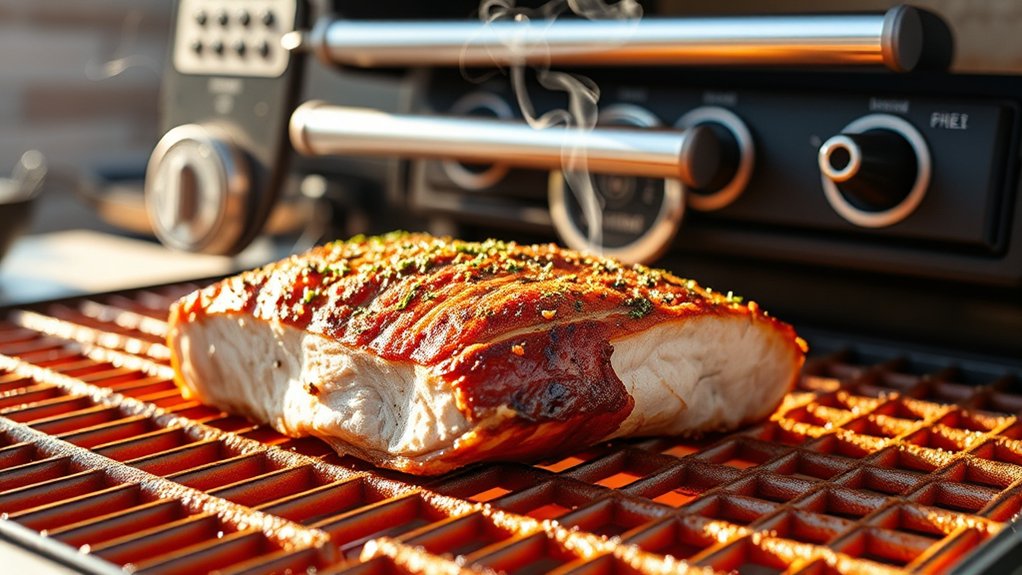
10 Simple Steps to Cook Pork Loin on a Pellet Grill
Cooking a perfect pork loin on a pellet grill can seem challenging, especially if you’re aiming for juicy, flavorful results every time. You’re not alone—many grilling enthusiasts struggle with getting that ideal balance of smoky flavor and tender meat. But don’t worry, with a few simple steps, you’ll be serving up delicious pork in no time.
Start by choosing a well-marbled, firm pork loin and season it with a flavorful rub or marinade.
Preheat your pellet grill to 225–250°F, then set it up with fruit or hardwood pellets for a mild or smoky taste.
Smoke the pork until it reaches an internal temperature of 145°F, monitoring closely with a thermometer.
Rest the meat for 10 minutes before slicing against the grain.
For detailed tips on each step, keep exploring the process.
Key Takeaways
- Choose a well-marbled, center-cut pork loin and let it rest before seasoning.
- Apply a flavorful rub or marinade evenly over the meat.
- Preheat the pellet grill to 225°F to 250°F and fill it with suitable pellets.
- Smoke the pork until the internal temperature reaches 145°F, then let it rest for 10-15 minutes.
- Slice against the grain and serve promptly for tender, juicy results.
How to Select and Season Your Pork Loin for Best Flavor
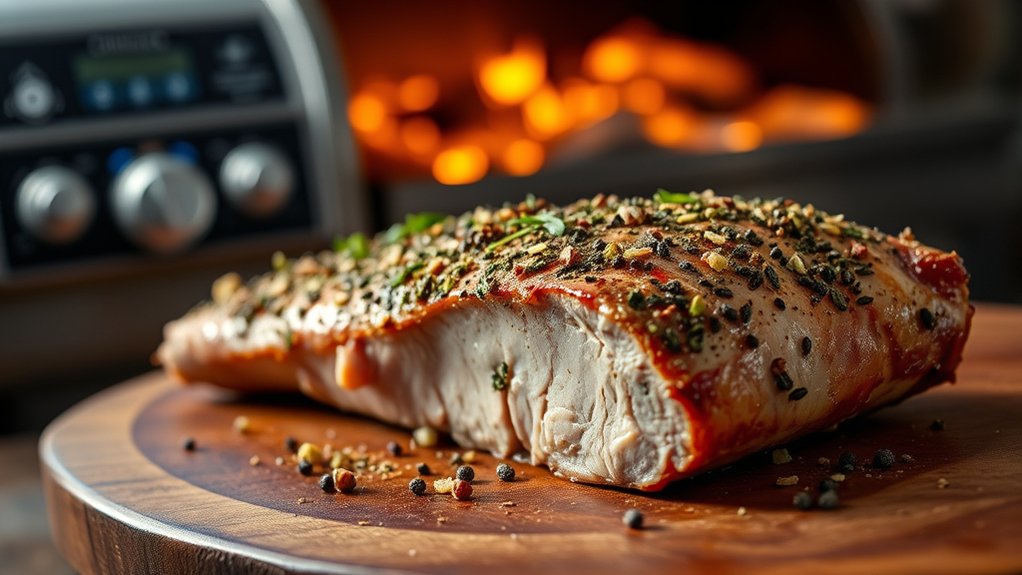
Choosing the right pork loin is key to achieving great flavor, so look for a cut that’s bright pink with firm, moist meat and a good layer of fat. When it comes to pork loin selection, quality matters, so pick a piece that feels heavy for its size and has smooth, even marbling.
This fat layer keeps the meat tender and adds flavor during cooking. Once you’ve selected your pork, focus on seasoning techniques that boost its natural taste. A simple rub of salt, pepper, garlic powder, and paprika creates a flavorful crust, but you can customize with herbs or spices to suit your preference.
Be sure to apply seasonings evenly across the surface, pressing slightly to help them adhere. Letting the seasoned pork rest for 15-20 minutes before cooking allows the flavors to penetrate. Proper selection and seasoning set the foundation for a juicy, flavorful pork loin cooked to perfection on your pellet grill.
How to Set Up Your Pellet Grill for Perfect Cooking Temperature
To achieve perfectly cooked pork loin on your pellet grill, setting the right temperature is essential. Proper setup ensures even cooking, boosts flavor, and keeps everything safe.
Start by preheating your grill to the target temperature, usually around 225°F to 250°F for slow smoking or higher for direct cooking. Use a reliable digital thermometer to monitor the internal temperature accurately.
Make sure your pellet hopper is filled with high-quality pellets suited for pork. This guarantees consistent heat output throughout the cook. Adjust the airflow vents to control the temperature and keep it steady.
Maintaining a stable temperature not only gives you delicious results but also promotes safe cooking by preventing undercooked or overcooked meat. Regularly check your grill’s settings and keep an eye on the internal temperature.
Proper setup is key to flavorful, safe, and perfectly cooked pork loin every time.
How to Choose and Apply the Best Smoke for Pork Loin
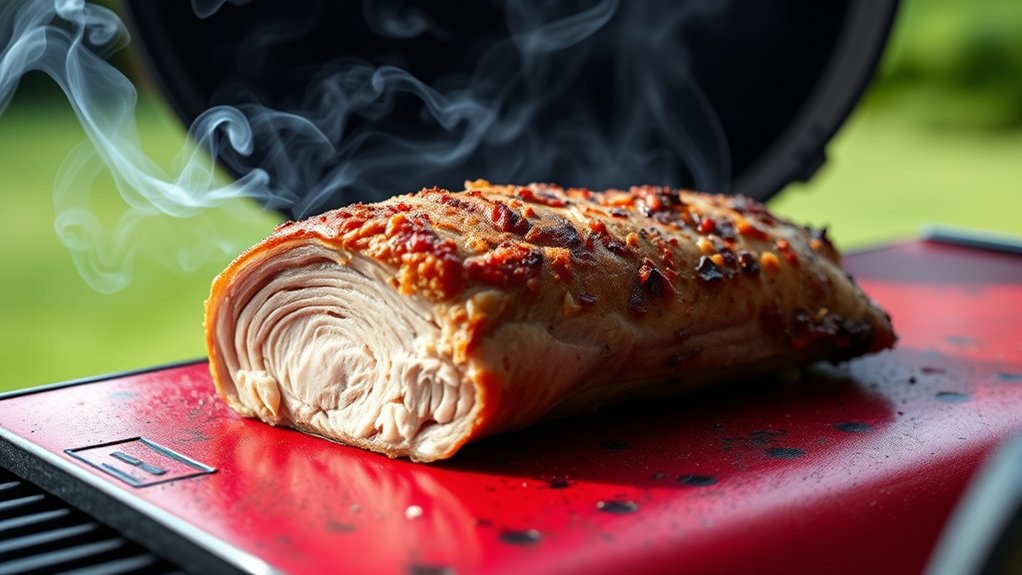
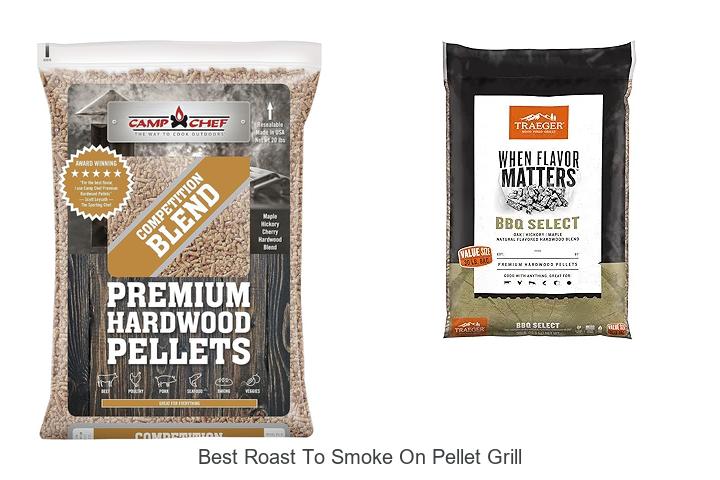
Choosing the right smoking wood can really make a difference in how your pork loin turns out. For a mild, sweet flavor, you might want to go with apple or cherry wood—they add a lovely, subtle smoky taste. Just remember to keep the smoke intensity moderate so you don’t overpower the natural flavor of the meat, especially if you’re cooking it for a longer time.
And don’t forget, pairing your chosen wood with some complementary spices or glazes can really enhance that smoky goodness. It’s all about balancing the flavors so your pork loin comes out tender, juicy, and full of delicious smoky notes.
Types of Smoking Woods
Selecting the right type of smoking wood can really enhance the flavor of your pork loin on a pellet grill. Different woods bring unique aromas that *boost* your pork cuts.
For a mild, sweet flavor, apple or cherry woods are great options. If you like a stronger, smoky taste, hickory or oak are excellent choices.
When choosing your smoking wood, think about how intense you want the flavor to be and the cut of pork you’re cooking. Lighter woods like fruitwoods add subtle sweetness, while hardwoods give a deeper smoky flavor.
Always use seasoned, dry wood to avoid bitterness and *guarantee* a clean, smooth smoke.
Optimal Smoke Intensity
Wondering how to achieve the perfect smoke for your pork loin? The key is controlling the smoke intensity to boost flavor without overwhelming the meat.
Start by adjusting your pellet grill’s smoke setting—low and slow works best for tender, flavorful pork. You want just enough smoke to add depth and create a subtle, aromatic layer.
Using accessories like a smoker box or smoke tube can help regulate how much smoke is produced. Keep an eye on your grill’s airflow and temperature, because too much smoke can make the meat taste bitter.
Pairing Flavors With Pork
To improve the flavor of your pork loin, it’s important to match the smoke type with the meat’s natural qualities. Choosing the right smoke enhances your cooking techniques and creates delicious flavor combinations.
For a mild, sweet profile, fruit woods like apple or cherry work well. They add subtle sweetness and fruitiness to your pork. If you prefer a bolder, smoky taste, hickory or mesquite deliver strong, hearty flavors that stand out.
You can also experiment with blending different woods to create unique flavor profiles. Keep in mind that lighter woods suit leaner cuts, while stronger woods complement fattier pork.
Step-by-Step: Cooking Your Pork Loin to Juicy Perfection
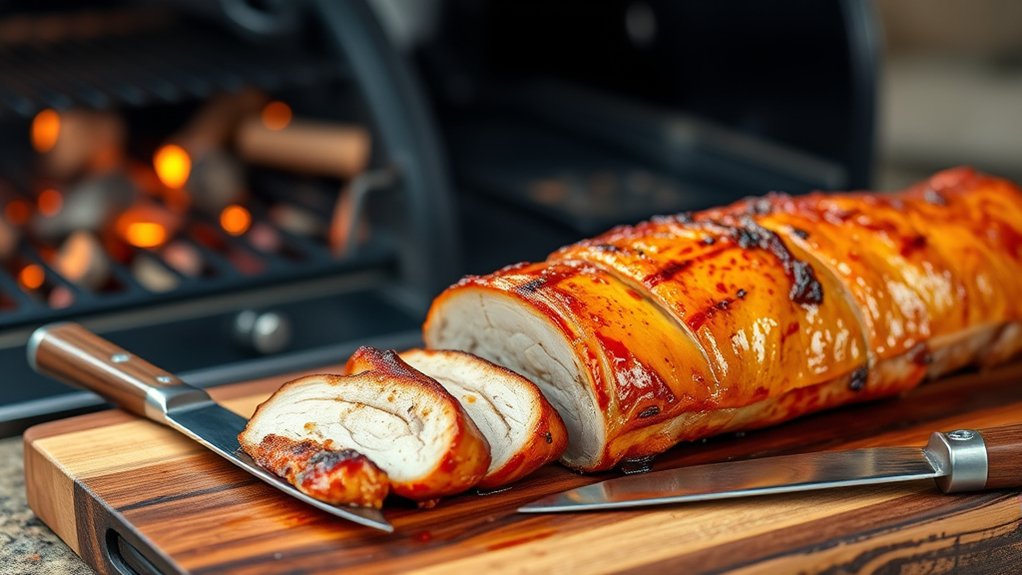
Want to cook your pork loin to juicy perfection? It all starts with choosing the right cut and seasoning it just right. Don’t forget, keeping a close eye on the internal temperature is key to making sure it stays tender and moist. Once you get these basics down, you’ll be well on your way to delicious, succulent results every time.
Selecting the Right Cut
Choosing the right cut of pork loin is key to getting juicy, tender results on your pellet grill. Not all cuts are the same, so picking the best one helps bring out the flavor and perfect texture.
When thinking about pork loin nutrition, go for lean cuts that pack in protein without too much fat. Knowing its history shows that pork loin has long been a favorite in traditional cooking, thanks to its tenderness and versatility.
Look for cuts labeled as center-cut or boneless loin for even cooking.
Check for marbling that’s evenly spread to keep things moist and flavorful.
Choose cuts with firm, pink meat and minimal extra fat.
And don’t forget to consider thickness so your pork cooks evenly on the grill.
Picking a quality cut makes all the difference in your grilling success.
Perfect Seasoning Techniques
Once you’ve chosen a quality pork loin, the next step is to boost its flavor with perfect seasoning. Start by picking a marinade that enhances the meat’s natural juices, like apple cider vinegar with herbs or a simple soy-based mix. Let the pork sit for at least an hour so it can absorb those flavors.
Next, prepare a well-balanced spice blend. Mix paprika, garlic powder, onion powder, salt, and pepper for a classic taste. Feel free to add smoked paprika or cayenne for a smoky or spicy touch. Rub the spice blend evenly over the loin, pressing it into the meat.
This seasoning method ensures a flavorful, juicy pork loin when cooked. It’s a foolproof way to make your dish irresistibly delicious every time.
Monitoring Internal Temperature
How can you guarantee your pork loin turns out perfectly juicy and tender? Monitoring internal temperature is key. Using a meat thermometer, keep an eye on the pork’s heat to master your cooking techniques and preserve its flavor profiles.
Insert the thermometer into the thickest part of the loin for an accurate reading. Remove the pork when it reaches 145°F (63°C) for safety and tenderness.
Let it rest for 10 minutes to allow juices to redistribute. This step enhances flavor and moisture, making your pork even more delicious.
How to Use a Meat Thermometer for Safe and Juicy Pork
Using a meat thermometer is essential for making sure your pork loin is both safe to eat and juicy. It helps you keep track of the meat’s quality and prevents overcooking or undercooking.
To get accurate readings, start by calibrating your thermometer regularly, following the manufacturer’s instructions. This ensures your measurements are precise, which is crucial for safety.
When inserting the thermometer, place it into the thickest part of the loin, avoiding bone or fat, since these can give false readings. Wait a few seconds for the temperature to stabilize before checking.
Aim for an internal temperature of 145°F (63°C) for safe, juicy pork. Remember, taking the meat off the grill slightly before reaching this temp lets residual heat finish the cooking.
Using your thermometer correctly guarantees you enjoy tender, flavorful pork while meeting safety standards. Consistent, accurate readings are your best tool for perfectly cooked pork loin every time.
Rest Your Pork Properly to Maximize Juiciness
Make sure to let your pork rest for at least 10 minutes after cooking. This step is key to locking in all those delicious juices. When you give the meat some time to rest, the moisture can redistribute evenly, so every bite stays tender and full of flavor.
If you want, you can loosely tent the pork with some foil to keep it warm. Just be careful not to wrap it too tightly, because that can cause the meat to sweat and lose some of its good stuff. Resting properly makes all the difference in getting that perfect, juicy pork!
Rest Time Importance
Resting your pork properly is key to locking in its juices and getting that tender, flavorful finish. When you let the meat rest, it redistributes its natural moisture, which helps prevent excess juice from spilling out when you slice.
Proper rest also helps with cooking safety. It gives the internal temperature a chance to stabilize, reducing the risk of bacteria growth. Plus, it keeps the meat’s quality intact, making leftovers safer and easier to store.
To get the best results:
- Wrap the pork loosely in foil to keep it warm without trapping moisture.
- Wait at least 10-15 minutes before carving.
- Use a clean cutting board to avoid cross-contamination when storing leftovers.
Following these steps will help your pork stay juicy and safe to enjoy.
Proper Resting Technique
To maximize the juiciness of your pork loin, it’s important to follow proper resting techniques. After cooking, let the meat rest loosely tented with foil for about 10-15 minutes. This helps the juices redistribute, so they don’t run out when you slice.
Using the right resting method is key to improving flavor and moisture retention. During this time, avoid cutting into the meat immediately, as that releases valuable juices. Resting also lets the pork reach its final internal temperature for the best tenderness.
For extra flavor, consider brushing a light glaze or seasoning onto the meat before resting. Proper resting ensures every bite stays juicy, tender, and full of flavor, making your pellet grilled pork loin a real culinary success.
How to Slice and Serve Your Grilled Pork Loin
Once your pork loin has rested for a few minutes, it’s time to carefully slice it. Use a sharp carving knife and cut against the grain for tender, even slices. This helps improve your technique and keeps each piece juicy.
Slice to the desired thickness, whether thin for sandwiches or thicker for main courses. Arrange the slices neatly on a platter, paying attention to plating to make your dish look appealing.
Serve promptly, pairing your pork with sides that complement the flavors. Focus on clean, steady cuts to preserve the meat’s moisture and texture.
When plating, think about color contrast and symmetry to boost visual appeal. Proper slicing not only improves texture but also makes your presentation look professional.
Troubleshooting: Fixing Common Problems When Grilling Pork Loin
Even with careful slicing and presentation, grilling pork loin can sometimes cause issues like dryness, uneven cooking, or toughness. To fix these, start by checking your pork loin storage. Improper storage can cause moisture loss, which affects the texture. Make sure you buy pork loin in proper packaging and refrigerate it promptly.
If your pork turns out tough, it’s probably overcooked. Use a meat thermometer to keep an eye on the internal temperature. For dryness, try adding a marinade or brine before grilling to help keep the meat moist.
| Problem | Solution |
|---|---|
| Dryness | Use a marinade or brine; avoid overcooking. |
| Toughness | Cook to the right internal temperature and let it rest before slicing. |
| Uneven Cooking | Adjust heat zones on your grill and flip the pork halfway through cooking. |
Proper storage and packaging are key to preventing these issues. Keep pork well-sealed and chilled until you’re ready to cook.
Adding Flavor: Rubs, Glazes, and Marinades for Pork
Enhancing the flavor of your pork loin starts with choosing the right rubs, glazes, and marinades. These techniques help raise different pork loin varieties, from tender and mild to richer, more robust options.
Rubs add a flavorful crust by combining spices like paprika, garlic powder, and black pepper. Glazes create a sweet or tangy coating, perfect for finishing your pork with a glossy shine. Marinades soak the meat, tenderizing while infusing deep flavors with ingredients like soy sauce, honey, or citrus juice.
Rubs, glazes, and marinades enhance pork loin with flavorful crusts, glossy finishes, and tender, infused meats.
Use dry rubs for a crispy, seasoned crust that boosts natural pork flavors. Apply glazes during the last 15-20 minutes of smoking for a caramelized finish. Marinate for at least 2 hours to deeply infuse flavors into different pork loin varieties.
These techniques help you customize your pork loin, making each cook unique and flavorful.
How to Clean and Maintain Your Pellet Grill After Cooking
After cooking on your pellet grill, it’s important to clean and maintain it soon after use to keep it performing well and lasting longer. Proper maintenance starts with removing grease, ash, and food residue.
First, unplug your grill and let it cool down a bit. Use a grill brush or scraper to clean the grates thoroughly and get rid of any stuck-on debris.
Next, empty the ash from the firepot to keep airflow clear. Wipe down the inside surfaces with a damp cloth, being careful around electrical parts.
Check the pellet hopper and clear out any obstructions. Regularly inspect the seals and burners for any damage or wear.
Keeping your grill clean not only improves the flavor but also helps it last longer. Make these cleaning steps a routine after each cook, and your pellet grill will stay in top shape for many seasons.
Frequently Asked Questions
How Long Does It Take to Cook Pork Loin on a Pellet Grill?
You’ll typically cook your pork loin on a pellet grill for about 1.5 to 2 hours at a temperature of 225°F to 250°F.
Keep an eye on the internal temperature, aiming for 145°F for juicy, safe pork. It’s best to use a meat thermometer to check doneness.
Once it hits 145°F, remove it from the grill and let it rest before slicing.
Can I Cook Frozen Pork Loin on a Pellet Grill?
Did you know that cooking from frozen can save about 30% prep time? You can cook frozen pork loin on a pellet grill, but it’s best to thaw it first.
For even cooking, try thawing it in the fridge overnight or using cold water. Cooking directly from frozen is possible, but it might take longer and affect the texture.
Thawing first helps ensure more consistent and flavorful results. So, while you can cook from frozen, taking the extra step makes a big difference.
What Are the Best Wood Pellets for Smoking Pork Loin?
You should choose wood pellets like apple, cherry, or hickory for smoking pork loin because they enhance the flavor of the meat.
Apple and cherry pellets give a mild, sweet aroma that pairs well with pork’s natural taste. Hickory adds a richer, smoky depth that’s really flavorful.
Go for high-quality pellets to ensure consistent smoke and better flavor. These options will give your pork loin a delicious, well-rounded taste.
How Do I Prevent My Pork Loin From Drying Out?
Ironically, the best way to avoid dry pork loin is by obsessively managing moisture retention. Keep your cooking temperature steady around 225-250°F and avoid overcooking.
Use a meat thermometer to catch that perfect internal temp. You might also consider wrapping the loin in foil or adding a water pan to help keep it moist.
Rest the meat afterward. This step allows the juices to redistribute, giving you a tender, moist result every time.
Is It Necessary to Brine Pork Loin Before Grilling?
Brining pork loin before grilling isn’t necessary, but it offers some nice benefits. It helps keep the meat moist and tender, especially if you’re cooking it for a longer time.
Plus, brining boosts flavor by soaking the meat in salty, seasoned liquid. If you want juicier, more flavorful pork, taking a little extra time to brine can be worth it.
Otherwise, just seasoning well and keeping an eye on the cook time can also give you tasty results.
Conclusion
Grilling pork loin on a pellet grill is easy and rewarding. Did you know that properly cooked pork loin stays juicy and tender at 145°F internally?
By following these simple steps, you’ll serve flavorful, perfectly cooked pork every time. With a little practice, you’ll be confident in your grilling skills and impress family and friends alike.
So fire up that pellet grill and enjoy delicious, stress-free pork loin whenever you crave it.