How Long to Cook Beef Ribs on a Pellet Grill
Many barbecue enthusiasts dream of perfectly cooked beef ribs but often find themselves struggling to get that tender, flavorful result every time. If you’ve ever felt frustrated trying to master the process, you’re not alone. Achieving that ideal balance of smoky flavor and tender meat can be tricky, especially without the right guidance.
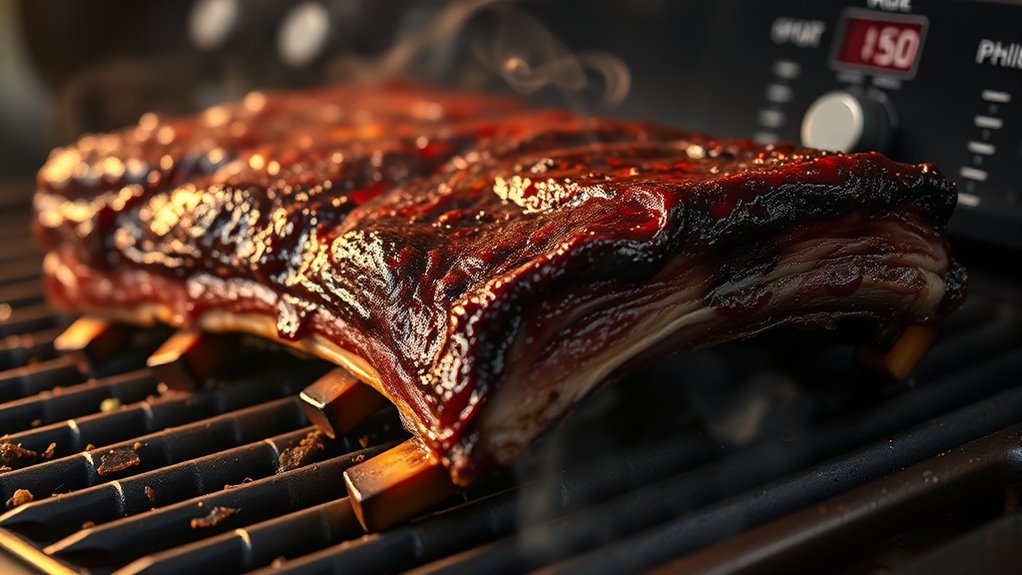
To cook beef ribs on a pellet grill, plan for about 4 to 6 hours at a low temperature of 225°F. Keep an eye on the internal temperature, aiming for 200°F to 205°F for tenderness, and look for signs like meat pulling away from the bone. Using a thermometer helps guarantee perfect results.
If you want to master this process and get consistently delicious ribs, there’s more to uncover below.
Key Takeaways
- Cook beef ribs at 225°F for about 4 to 6 hours, depending on their size and how tender you like them.
- Use a meat thermometer to check that the internal temperature hits 200°F to 205°F for the best tenderness.
- Bone-in beef ribs usually take a bit longer, around 4 to 5 hours, compared to boneless, which take about 2 to 2.5 hours at the same temperature.
- If you want them extra moist and tender, wrap the ribs in foil after 2 to 3 hours of cooking.
- Once done, let the ribs rest for 10 to 15 minutes so the juices can settle before serving.
How Long Should You Cook Beef Ribs on a Pellet Grill?
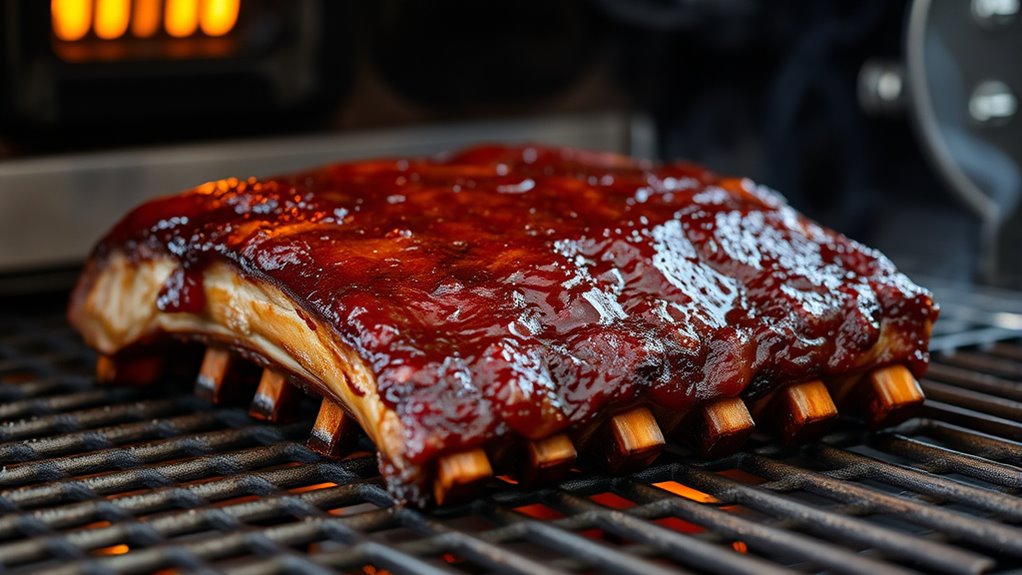
When cooking beef ribs on a pellet grill, the total cook time usually falls between 4 to 6 hours. The exact time depends on the size of the ribs and how tender you want them.
To get flavorful, juicy ribs, start with a marinade that boosts moisture and taste. Marinate the ribs for several hours or overnight to lock in those flavors and make them more tender.
Marinate your ribs overnight to enhance flavor, moisture, and tenderness.
Proper storage is key too. Keep the ribs refrigerated until you’re ready to cook. This helps prevent spoilage and keeps the quality high.
Before grilling, pat the ribs dry so you get a nice bark. Also, remove excess marinade to avoid steaming and losing that crust.
While cooking, keep an eye on the ribs. Adjust the heat if needed and baste or spritz them occasionally to keep them moist.
Remember, patience is essential. Cooking low and slow results in tender, fall-off-the-bone beef ribs.
With these tips, you’ll keep your ribs flavorful and tender, making your pellet grilling a real success.
What Temperature Should Beef Ribs Reach for Perfect Tenderness?
To achieve perfectly tender beef ribs, you need to pay close attention to their internal temperature. When cooking on a pellet grill, aim for an internal temperature of around 200°F to 205°F. This range ensures the collagen breaks down, giving you that melt-in-your-mouth texture.
Using marinade recipes before cooking can boost flavor and moisture, but avoid over-marinating, which can affect the final tenderness. Once cooked, let the ribs rest. This helps juices redistribute and maintain tenderness.
Proper ribs storage is vital. Store leftover ribs in an airtight container in the fridge and consume within 3 to 4 days for freshness. Monitoring temperature with a reliable meat thermometer guarantees perfect results.
How to Prepare Beef Ribs for Smoking on a Pellet Grill
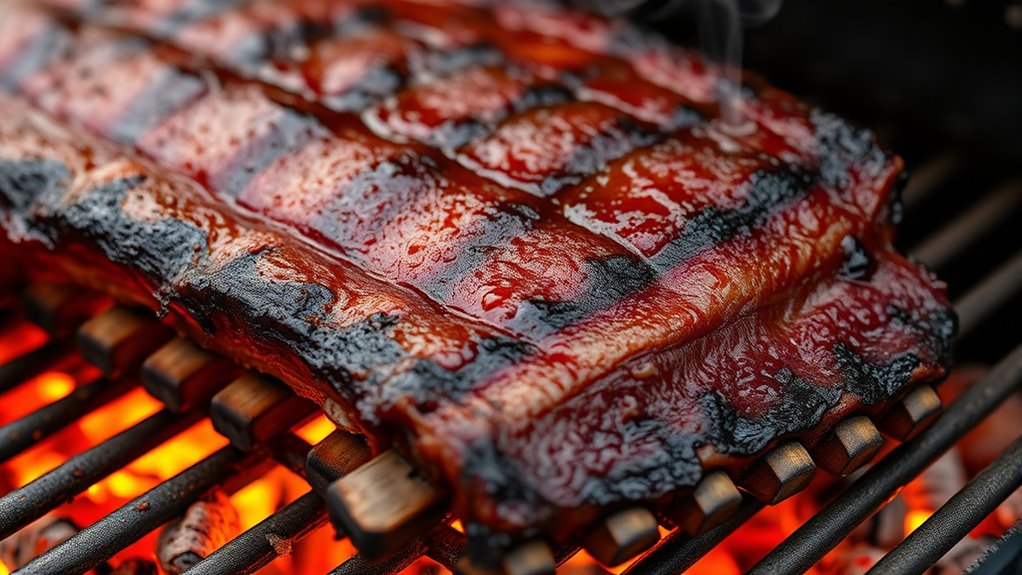
First things first, pick out some high-quality beef ribs. Look for ones that have good marbling and a fresh, vibrant look—that way, you’re starting with the best to get the most flavor.
Once you’ve got your ribs, give them a good rubdown with your favorite seasoning blend. Be generous and make sure to coat them evenly all over. This not only adds flavor but also helps develop that nice, crispy crust when they’re smoked.
Getting your prep just right really makes a difference—your beef ribs will turn out tender, juicy, and packed with smoky goodness. Happy smoking!
Selecting the Right Ribs
Choosing the right beef ribs is key to getting tender, flavorful results on your pellet grill. Look for ribs with good marbling since the fat boosts the beef flavor and helps keep the meat moist during smoking.
You can choose between back ribs or short ribs, depending on your preferred texture and how long you want to cook them. When selecting ribs, check for fresh, moist meat without dryness or discoloration.
To boost flavor, consider marinating the ribs beforehand. Marinades add depth and can help tenderize tougher cuts, making your ribs even more delicious.
Applying the Perfect Rub
Applying a well-balanced rub is key to boosting flavor and getting that perfect crust on your beef ribs. Start with salt, pepper, and paprika, then toss in spices like garlic powder or cayenne for extra depth.
For extra tenderness, try marinating your ribs beforehand with citrus or soy sauce-based marinades. This keeps the meat moist and adds more flavor.
Once seasoned, let the rub sit for at least an hour. That helps develop a tasty bark that’s full of flavor.
When serving, pair your ribs with tangy BBQ sauce or a refreshing coleslaw for a complete meal.
Use this table to customize your rubs:
| Spice/Ingredient | Purpose | Example Marinade |
|---|---|---|
| Salt & Pepper | Base flavor | Lemon herb marinade |
| Paprika | Color & flavor | Honey glaze marinade |
| Garlic Powder | Depth | Soy-ginger marinade |
| Cayenne | Heat | Spicy citrus marinade |
| Brown Sugar | Sweetness | Apple cider marinade |
How to Estimate Cooking Time Based on Ribs’ Size and Thickness
When you’re trying to figure out how long to cook your ribs, the size and thickness are really key. Thicker cuts obviously take a bit more time to cook through properly. So, if your ribs are on the larger side or have more meat, you’ll want to give them extra time to become tender.
It’s a good idea to keep a close eye on how they’re progressing. Using a meat thermometer can be super helpful here—just check the temperature to make sure they’re cooked to perfection. That way, you’ll get juicy, tender ribs every time!
Ribs’ Size and Thickness
The size and thickness of your beef ribs directly impact how long they need to cook on a pellet grill. Thicker, larger ribs will take more time to become tender, while smaller cuts cook faster.
To estimate cooking time, start by measuring the thickness of your ribs at their thickest point. Then, consider the overall size—larger racks will naturally need more time.
Keep in mind that marinade variations can also influence cooking times, as some marinades add moisture or flavor penetration that can affect how quickly the ribs cook.
Your goal is to cook the ribs to the right tenderness, which often depends on proper internal temperature. Proper timing ensures flavorful, tender results every time, whether you plan to slice or pull the beef.
Adjusting Cooking Duration
Once you’ve assessed the size and thickness of your ribs, you can start estimating their cooking time. Thicker ribs with more meat marbling will need extra time for proper tenderness, so plan accordingly.
If your ribs are smaller or leaner, reduce the cooking duration to prevent overcooking. Adjusting time also affects flavor infusion; longer cook times let smoke and seasonings penetrate deeper, boosting taste.
Keep an eye on the internal temperature. Thicker cuts need more patience to reach the ideal 200°F to 205°F for tender, flavorful ribs. Use a meat thermometer to fine-tune your timing and ensure perfect tenderness without losing flavor.
Should You Use the 3-2-1 Method for Cooking Beef Ribs?
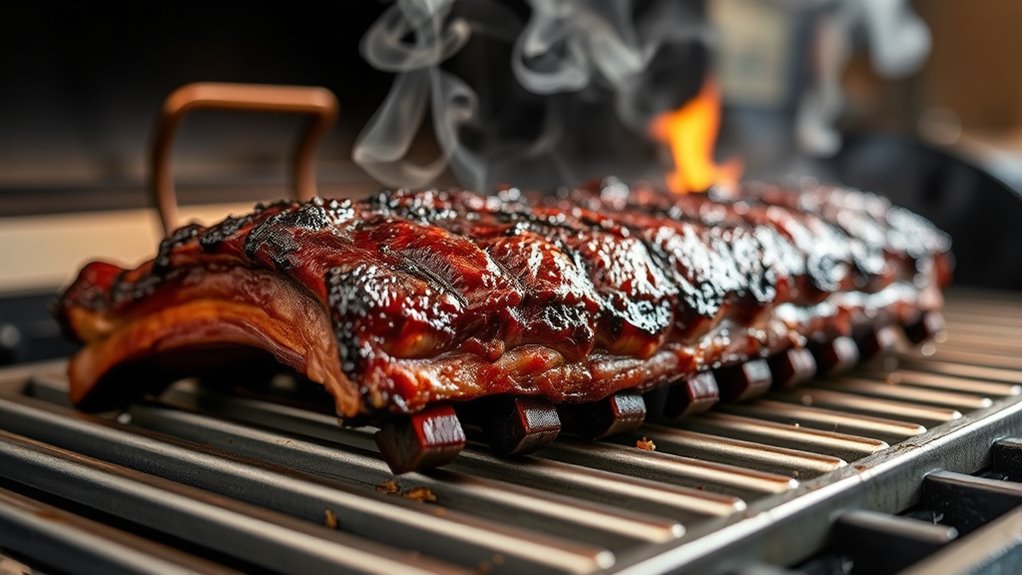
Many pitmasters swear by the 3-2-1 method because it makes cooking tender, flavorful beef ribs simpler. Whether you should use it depends on what you’re aiming for. This technique has three stages: cooking the ribs unwrapped, wrapping them in foil, and then unwrapping again to finish.
It’s especially handy if you want ribs that stay moist with a nice bark. But be aware—it can sometimes make the ribs too soft if you prefer a firmer texture or want more control over how they turn out.
Think about a few things: first, the seasoning. The method can affect how well the flavors penetrate the meat. Second, your pellet grill maintenance—using the 3-2-1 method might mean adjusting temperatures more often to avoid overcooking.
Finally, consider your cooking goal. If you want super tender ribs with minimal effort, this is a good choice. But if you like a firmer bite, you might want to skip it. Pick what works best based on your desired results and how familiar you are with your pellet grill.
How to Use a Meat Thermometer to Check for Doneness
Using a meat thermometer is the most reliable way to guarantee your beef ribs are cooked to perfection. Just insert the thermometer into the thickest part of the ribs, avoiding the bone, to get an accurate reading.
For maximum flavor, let the ribs rest briefly after cooking to let the juices settle. When checking for doneness, aim for an internal temperature of around 190-203°F, depending on how tender you like them.
This range ensures the connective tissues break down, giving you tender ribs. If you’ve used marinade or flavor infusion methods beforehand, a proper temperature check makes sure those flavors are fully developed without overcooking.
Regularly monitoring with a thermometer takes the guesswork out of cooking, helping you avoid dry or undercooked meat. Keep the probe clean and calibrated for accuracy, and you’ll always get delicious, perfectly cooked beef ribs.
Signs Your Beef Ribs Are Fully Cooked and Tender
When your beef ribs are fully cooked and tender, they’ll show a few clear signs. First, the meat should pull away easily from the bone, showing it’s cooked through and juicy.
Second, the internal temperature should be around 190-205°F. Use a meat thermometer to be sure, so you get it just right.
Third, when you gently probe the ribs with a fork or tongs, they should feel tender with little resistance. Proper trimming helps with even cooking and better tenderness, so if you see uneven sections, trimming excess fat beforehand can help.
Letting the ribs rest for 10-15 minutes allows the juices to redistribute, making them even more tender and flavorful. Marinades also play a role; well-marinated ribs tend to be more moist and tasty when fully cooked.
Keep an eye out for these signs, and you’ll know your beef ribs are ready to serve—juicy, flavorful, and perfectly tender.
Bone-In vs. Boneless Ribs: Adjusting Cooking Times
Bone-in ribs usually take a bit longer to cook compared to boneless ones because the bone can slow down how quickly the heat gets through. So, when you’re cooking bone-in ribs, it’s a good idea to add around 30 minutes to your usual cooking time. On the other hand, boneless ribs tend to cook faster, so just be sure to watch them closely so they don’t overcook and become dry.
Bone-In Ribs Cooking Duration
Cooking bone-in beef ribs takes longer than boneless because the bones act as insulators, slowing down heat. On a pellet grill, plan for about 4 to 5 hours at 225°F, but keep a close eye on the internal temperature.
For the best flavor, try marinating the ribs beforehand. This helps keep the meat moist and tender during cooking. Storing your ribs properly in a cool, airtight container keeps them fresh and prevents spoilage before grilling.
Here are some tips to make your cook even better: Use a meat thermometer to check for an internal temperature of 190-203°F. Wrap the ribs in foil after a few hours to lock in moisture. And don’t forget to rest the ribs for at least 15 minutes before serving so the juices can settle.
Boneless Ribs Timing Adjustments
Since boneless ribs don’t have the insulative bones that slow down heat transfer, they tend to cook faster than bone-in ribs on a pellet grill. To prevent overcooking, cut your cooking time by about 25%, aiming for around 2 to 2.5 hours at 225°F.
Marinades like teriyaki or apple cider can boost flavor without adding extra cooking time. For sides, try crisp coleslaw or grilled vegetables to pair well with the tender meat.
Keep a close eye on the internal temperature; boneless ribs should reach 195°F for the best tenderness. Here’s a quick comparison:
| Ribs Type | Typical Cook Time | Key Tip |
|---|---|---|
| Bone-In Ribs | 3-4 hours | Longer, slower cook needed |
| Boneless Ribs | 2-2.5 hours | Shorter, faster cook |
| Marinades | Varies | Improve flavor, don’t extend cook time |
Tips for Maintaining a Stable Temperature During Smoking
Maintaining a stable temperature during smoking is key to getting tender, flavorful beef ribs. Consistent heat guarantees proper collagen breakdown and helps you achieve that perfect smoky flavor infusion. To keep your pellet grill steady:
- Monitor your temperature regularly with a reliable probe thermometer. Small fluctuations can affect cook time and texture.
- Adjust your pellet feed rate to keep the temperature just right. Too little fuel causes drops, while too much can lead to overheating.
- Use techniques like wrapping or adding a water pan to control heat and humidity. This prevents spikes and promotes even cooking.
These tips help you control your grill’s environment, ensuring your beef ribs develop rich flavor and tender texture without overcooking. Staying attentive to your grill’s temperature not only improves flavor infusion but also guarantees consistent results every time.
Troubleshooting Overcooked or Undercooked Beef Ribs
When beef ribs turn out overcooked or undercooked, it’s usually a sign that something went off during the smoking process. Overcooked ribs can become dry and tough, while undercooked ones are chewy and lack tenderness.
Overcooked or undercooked beef ribs indicate smoking process issues, affecting tenderness and flavor.
To fix overcooking, try wrapping the ribs in foil to retain moisture and slow down the cooking process. For undercooked ribs, give them more time on the grill and consider increasing the temperature slightly.
Proper temperature control is key for consistent flavor infusion. Using a meat thermometer ensures you hit the perfect internal temp and prevents these issues.
When serving, adjust your side dish pairing to match the doneness. For example, a tangy coleslaw pairs well with tender, slow-cooked ribs, while a fresh salad can balance out slightly undercooked meat.
Troubleshooting these problems helps you achieve juicy, flavorful ribs every time.
Frequently Asked Questions
Can I Cook Beef Ribs on a Pellet Grill Without Marinating?
Yes, you can cook beef ribs on a pellet grill without marinating. Instead, try using a dry rub or a simple seasoning mix for flavor.
For tasty results, consider seasonings like salt, pepper, garlic powder, and paprika. Be generous with your seasoning before grilling.
Once cooked, let the ribs rest a bit to let the flavors settle. This method gives you tender, flavorful beef ribs without needing to marinate.
What Wood Pellets Are Best for Smoking Beef Ribs?
Did you know that hickory wood pellets are among the most popular for smoking beef ribs? For maximum flavor infusion, choose a wood that complements beef’s rich taste.
Hickory offers a smoky, hearty flavor, while oak provides a milder, balanced smoke. Both woods work beautifully for beef ribs, making sure your smoked meat is full of flavor and tender.
How Do I Prevent Beef Ribs From Drying Out During Smoking?
To prevent beef ribs from drying out during smoking, focus on keeping the meat moist and getting plenty of smoke flavor. Keep the grill temperature steady around 225°F, so the ribs cook evenly without drying out.
Consider spritzing the ribs with a mix of apple juice or vinegar every hour. This helps maintain moisture and adds a little extra flavor.
Wrapping the ribs in foil halfway through cooking is a good idea. It locks in moisture and keeps the meat tender.
Using quality wood pellets also makes a difference. They enhance smoke infusion, making your ribs juicy and flavorful.
Is It Necessary to Wrap Beef Ribs During Cooking?
Wrapping beef ribs is like sealing a secret, locking in moisture and flavor. While it’s not always necessary, many prefer wrapping during cooking to prevent drying out and boost tenderness.
It amplifies flavor by trapping juices, creating a rich, smoky aroma. If you want fall-off-the-bone ribs, wrapping is your best bet.
Otherwise, you can skip it for a more traditional, bark-rich texture. Just tailor your approach to what kind of taste and texture you prefer.
How Long Can Cooked Beef Ribs Be Stored Safely?
You can store cooked beef ribs safely in the refrigerator for up to 3 to 4 days, following proper food safety and storage guidelines. Make sure to keep them in airtight containers or tightly wrapped to prevent contamination and maintain freshness.
If you want to keep them longer, freeze the ribs, and they’ll stay good for up to 2 to 3 months. Always reheat thoroughly before eating.
Conclusion
Think of your beef ribs as a symphony, with each note representing a step in your cooking process. When you hit the right temperature and timing, the melody of tender, juicy ribs plays perfectly.
Patience and attention to detail are your conductors, guiding you through the smoky harmony. With practice, you’ll craft a masterpiece that resonates with flavor.
Cooking beef ribs on a pellet grill takes time, but the results are worth it. Mastering the timing and temperature will help you achieve melt-in-your-mouth tenderness.